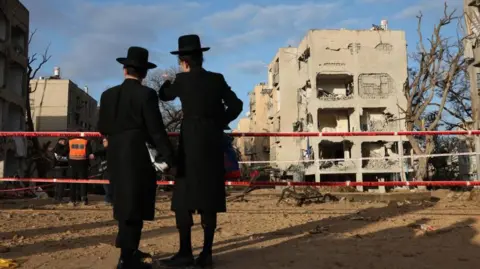
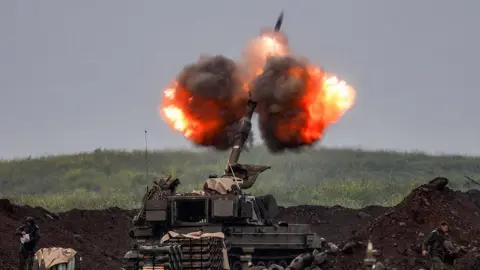
Israel has resumed military action in Hezbollah-dominated zones near Beirut and southern Lebanon, sparking global reactions. These strikes, which targeted underground storage used by Hezbollah, occurred shortly after the U.S. expressed concerns over the humanitarian impact of prolonged bombardments. The recent Israeli action marks the first strikes near Beirut in days, pointing to a renewed military initiative in the area. Officials report that strikes in Nabatieh, a key city in southern Lebanon, resulted in multiple deaths, including a prominent local leader. Concurrently, the outskirts of Beirut in the Haret Hreik neighborhood were the target of Israeli airstrikes aimed at Hezbollah's weapon storage. These developments come amid diplomatic tensions, as the U.S. recently criticized the civilian toll of Israel's military actions. Lebanese leadership echoed international worries, suggesting the U.S. assurances implied a reduction in such attacks, with the strikes threatening the functionality of Lebanese medical infrastructure. Additional reports confirm ongoing humanitarian challenges, particularly emphasized by the United Nations calling for investigations into other recent strikes, reflecting widespread apprehension about the conflict's regional and international implications, including impacts on civilian populations.
Israel's Resumed Airstrikes Near Beirut Stir Global Concerns

Israel's Resumed Airstrikes Near Beirut Stir Global Concerns
For the first time in days, Israel conducted airstrikes targeting Hezbollah positions near Beirut amid U.S. criticism over the scale of Israeli operations.
Israel targeted Hezbollah areas in southern Lebanon and near Beirut, continuing a campaign that has raised alarms about civilian casualties in Lebanon. Recent U.S. criticisms highlight escalating tensions over Israel's military strategy in the region.