In brief
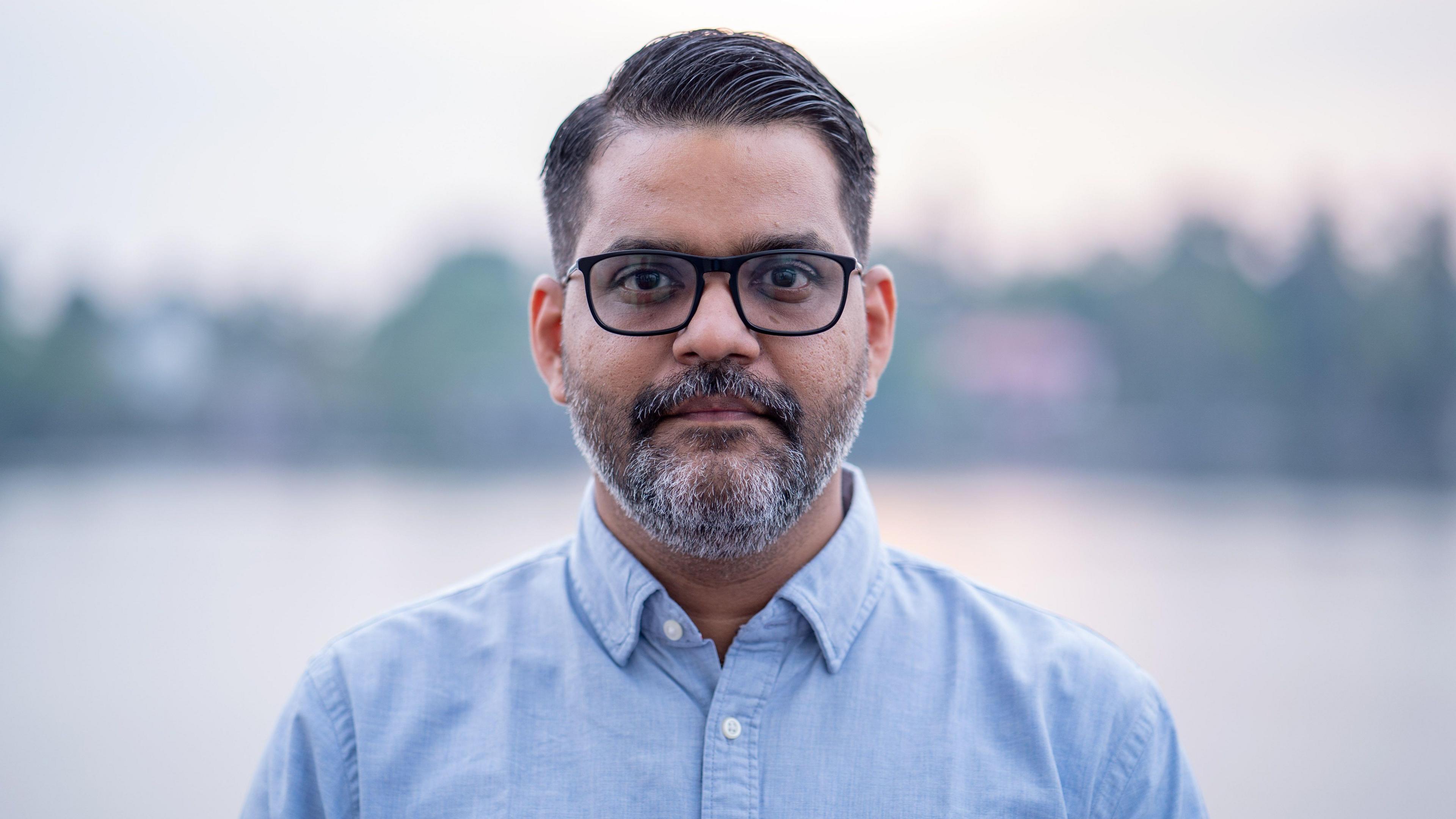
Dr. Cyriac Abby Philips, a hepatologist based in Kerala, has become a polarizing figure for his outspoken criticism of alternative medicine and alcohol‑related health crises. While praised by supporters for championing evidence‑based practice, he faces backlash, legal challenges and personal threats from those who view his attacks as cultural vandalism. In person, he is described as compassionate, measured and patient‑focused, turning a high‑pressure specialty into a human‑centered practice. This article examines the contrast between his clinical work, public engagement, and the costs borne on his family and professional relationships.
In hospitals across Kerala, patients face the stark realities of liver disease. The waiting room at Rajagiri Hospital in Kochi is a space between hope and despair, where patients with advanced liver conditions anxiously await treatment. Inside, Dr. Cyriac Abby Philips, a renowned hepatologist, moves through consultations with a calm presence, listening intently before explaining treatment options with compassion.
Published in 2026, the story traces how a figure admired by medical circles and criticized by traditional medicine practitioners has become the target of legal actions, police inquiries, and relentless online feuds. While at his clinic, he displays the qualities that earned colleagues’ trust—polite, patient‑oriented, and unassuming. Yet on X, where over 300,000 followers observe him as the “Liver Doc,” he polishes a more confrontational persona.
He has publicly discredited homeopathy and labeled alternative practitioners as quacks, citing the lack of scientific basis behind their methods. This stance brings both praise and condemnation: supporters see him championing evidence‑based medicine; detractors decry his approach as culturally insulting and fear‑mongering.
Ayush, the Indian ministry that regulates traditional medicine, has convened committees to scrutinise his online content. A police officer once traveled two days by train to interrogate him over a single post. Over six years, he has faced sixteen legal cases, many still unresolved.
Despite the controversies, the man in the clinic remains approachable. During interviews, he admits the “adopted persona” and explains that the amplified voice is necessary to keep essential medical facts from being drowned out by misinformation.
The root of his activism lies in early struggles. Growing up in Kerala under a celebrated gastroenterologist, he entered medicine against initial personal desire for literature or film. Early setbacks—failing a medical entrance exam and enduring coaching centre hardships—shaped a resilient character. The practical realities of a public hospital, where doctors must decide life‑saving treatment with scarce resources, left him inspired to bring scientific rigor to healthcare.
The turning point came in Kerala, where he observed the devastating effects of alcohol misuse and unregulated herbal remedies on liver health. A six‑year‑old infant’s acute liver failure after ingesting a homemade concoction drove him to research the hazards of traditional medicine. He publicly shared these findings, sparking backlash from practitioners who argue that his approach constitutes cultural erasure.
He has published peer‑reviewed studies linking traditional medicine to liver injury, and has led crowd‑funded investigations into protein powders and generic medicines sold in India. Though these academic pursuits bring prestige, they also enforce a high personal cost: costly legal bills, strained professional relationships, and threats to his family. His father, a respected gastroenterologist, captures the complicated sentiment—concern for his son’s safety couched in recognition of his societal contribution.
The practice of liver care is often a life‑ending path. Dr. Philips reports that a majority of his patients face terminal liver disease, often because of alcoholism. In such cases, he focuses on dignity at the end of life, ensuring families understand the reality of death and maintain respect for the patient.
After surviving a severe car crash while attending to critical patients, he reduced his daily patient load to 25, a pacesetters’ figure for a specialist. He also cut back on alcohol consumption, believing he should model sobriety. Outside the clinic, he balances gaming, family time and purposeful social media engagement. His wife describes him as patient‑ingrained, turning complex medical concepts into understandable explanations for everyday life.
Nevertheless, the road remains fraught. Several researchers have avoided co‑authorship to retain safety, and colleagues have left the country due to legal pressure. Despite these challenges, he maintains that the benefits of disseminating truth outweigh personal safety concerns.
When interrogated about threats to his family, he becomes mournful, recounting the potential dangers of uninformed attacks. Yet he foresees a future where his legacy stands as a testament to standing for truth and justice in public health.
As India’s health landscape democratizes access to information, the duality of Dr. Philips’s career exemplifies the tension between tradition and science. While his controversies stir debate, the compassionate care he offers to those suffering in hospital corridors continues to define his professional life.