In brief
The Trump administration dismantled USAID and now offers new health aid tied to conditions that many African governments flag as overreaching. Kenya signed a large framework, but countries such as Ghana, Zimbabwe and Zambia refused based on data protection and the need for clearer sovereignty guarantees. Critics argue the move risks undermining multilateral responses to diseases like Ebola, while the US argues the deal can strengthen domestic health systems.
The United States has reshaped its international aid model, dropping USAID and offering new health programmes that require recipient governments to match spending and share data with Washington. The intent is to build the recipient’s capacity rather than feed NGOs that create parallel delivery systems. Yet the package is not unconditional – African nations are being asked to share patient information and biological samples, and in some cases to link health funding with American access to critical minerals.
Kenya approved a $2.5 bn five‑year health framework, an initiative that began with a signing ceremony in Washington in December. Under the deal, Washington pledged $1.6 bn while Kenya committed about $850 m. The U.S. says the arrangement will push local governments to fund roughly one‑third of health spending and to develop infrastructure that can become self‑reliant over time.
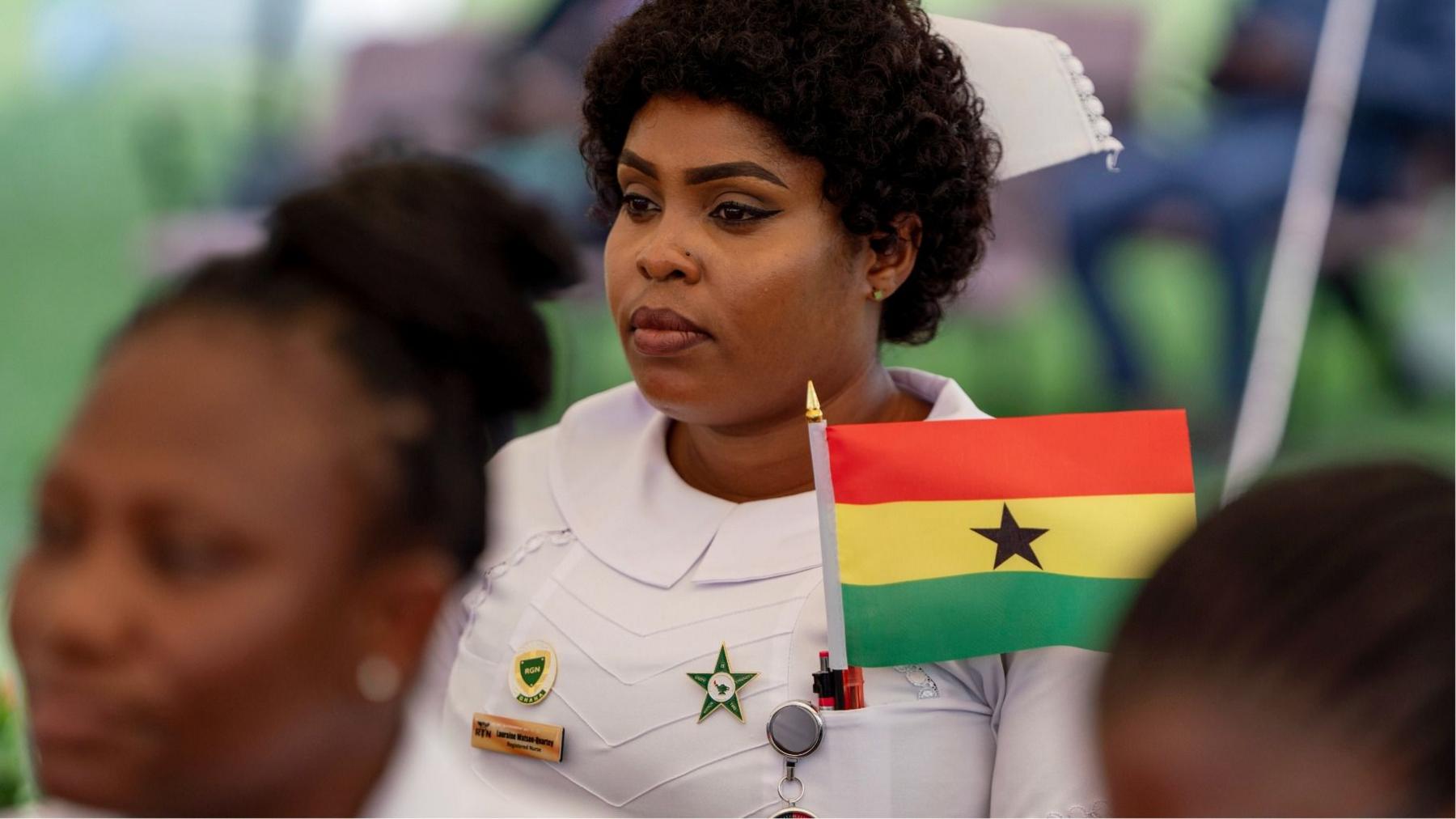
But other African leaders, led by Ghana, Zimbabwe and Zambia, have declined the agreement. Ghana’s Data Protection Commission called the data‑sharing requirement too wide and not protective enough for national data sovereignty. Zimbabwe rejected a similar provision, saying that the United States did not guarantee the availability of drugs and vaccines that might arise from shared pathogens. Zambia’s foreign minister warned that the health deal was bundled with a separate agreement that would give Washington preferential access to the nation's mineral resources, a move he said should be negotiated on its own merits.
Reuters reported that the outbreak of Ebola in the Democratic Republic of Congo has exposed the fragility of a purely bilateral aid agenda. When DR Congo first joined the new U.S. deals, the country received support, though the sudden cut in USAID funding left many frontline workers and medical supplies short. The U.S. claims its $270 m donation will help respond to the crisis, but critics argue that multilaterals such as the World Health Organization offer a necessary coordination framework that bilateral agreements cannot match.
Analysts are split. Some, highlighting past mistakes of the WHO, say a re‑emphasised U.S. hand‑holding strategy could produce results‑driven outcomes. Others warn that the U.S. binds aid to its strategic agenda – including pharmaceutical procurement and critical mineral access – and that this could erode trust and cooperation on global health threats that cross borders.
At the same time, African civil society groups and health ministers warn the U.S. approach does not align with the continent’s own goals of building robust, sovereign health systems, especially after the 2001 commitment to raise public health budgets. The current debate will continue as we monitor whether the new bilateral health MOUs will co‑exist with or replace longstanding multilateral frameworks.