In brief
Student protests in Tirana erupted into violence after weeks of demonstrations demanding better university conditions and political reform. The protestors attacked the education ministry, the prime minister’s office, the finance ministry and surrounding businesses, setting the education ministry building on fire. Police responded with tear gas and water cannons, arresting several protesters. Government officials condemned the violence, urging calm, while opposition leaders praised the demonstrations. The unrest reflects ongoing dissatisfaction with corruption and a lack of transparency in Albania’s political system.
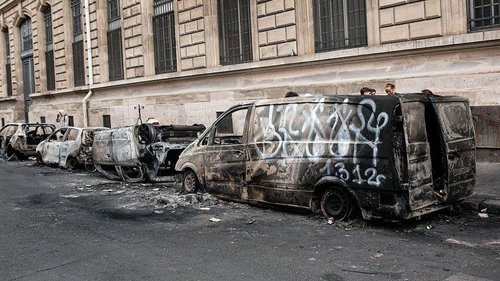
Albanian students covered in gas masks and balaclavas stormed major government offices in Tirana on Wednesday, turning a movement that began as an appeal for better university conditions into a violent confrontation.
The protests started outside the education ministry on Tuesday with students demanding improved infrastructure and future job prospects. By Wednesday, the ministry’s structure was set ablaze, and attackers also targeted the prime minister’s office, the finance ministry, and adjacent commercial properties.
Police responded with tear gas and water cannons. Sixteen protesters were detained in connection with the violent actions. A state‐run news agency reported arrests, while Deputy Prime Minister Albana Koçiu urged citizens to exercise “calmness, self‑restraint and maturity.”
Opposition leader Sali Berisha welcomed the demonstrators, describing them as brave, whereas the economy minister Delina Ibrahimaj condemned the use of fire and called it a dangerous escalation. Student voices noted that the unrest is not only about education but a broader demand for systemic change, with some citing corruption linked to a luxury tourism project that involved Jared Kushner’s son‑in‑law.
The clash illustrates a deepening divide between citizen activism and the current administration’s desire for stability. While the protests were framed as a push for political reform, the move to violence challenges the narrative of peaceful dissent and raises questions about the effectiveness of dramatic action in achieving policy change.