MIAMI (AP) — A recent report by Human Rights Watch highlights the disturbing reality faced by Salvadoran nationals deported from the United States, many of whom have found themselves arbitrarily detained within El Salvador's prison system. These claims have intensified scrutiny over the human rights conditions in the country, which has been under a state of emergency since March 2022 in an effort to combat gang violence.
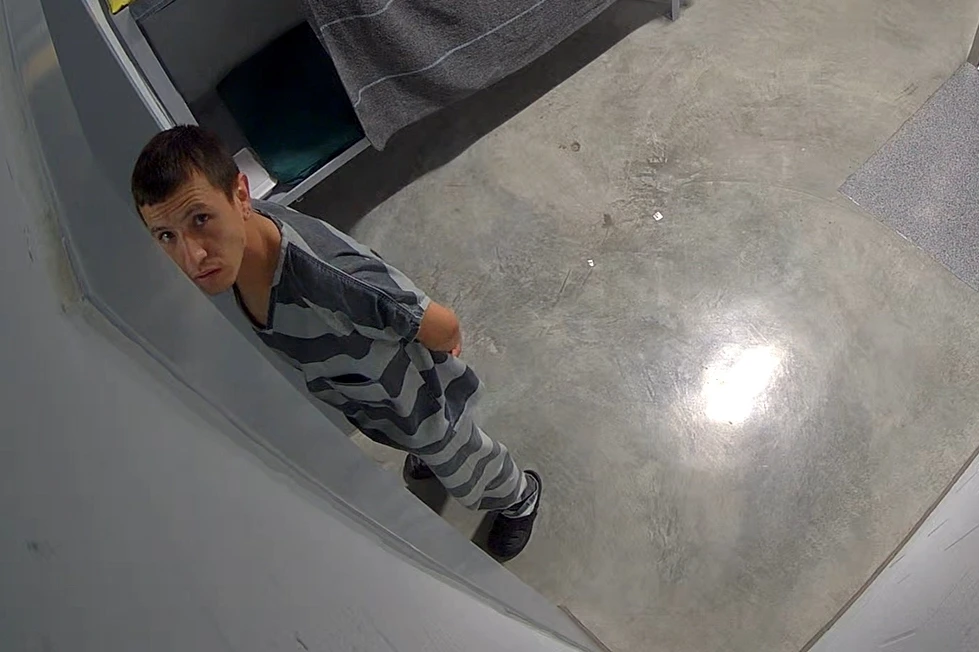
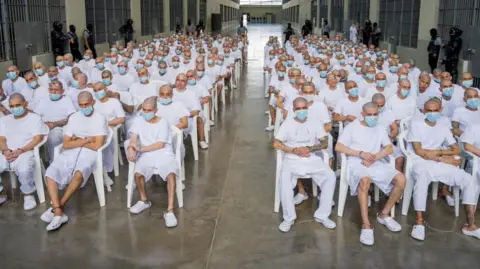
Since the inauguration of President Donald Trump in January 2025, more than 9,000 Salvadorans have been deported from the U.S., with many reportedly sent directly to a mega prison known as CECOT. Interviews conducted with family members and legal representatives reveal concerning practices where deportees are not allowed to communicate with loved ones, nor are they provided with legal representation.
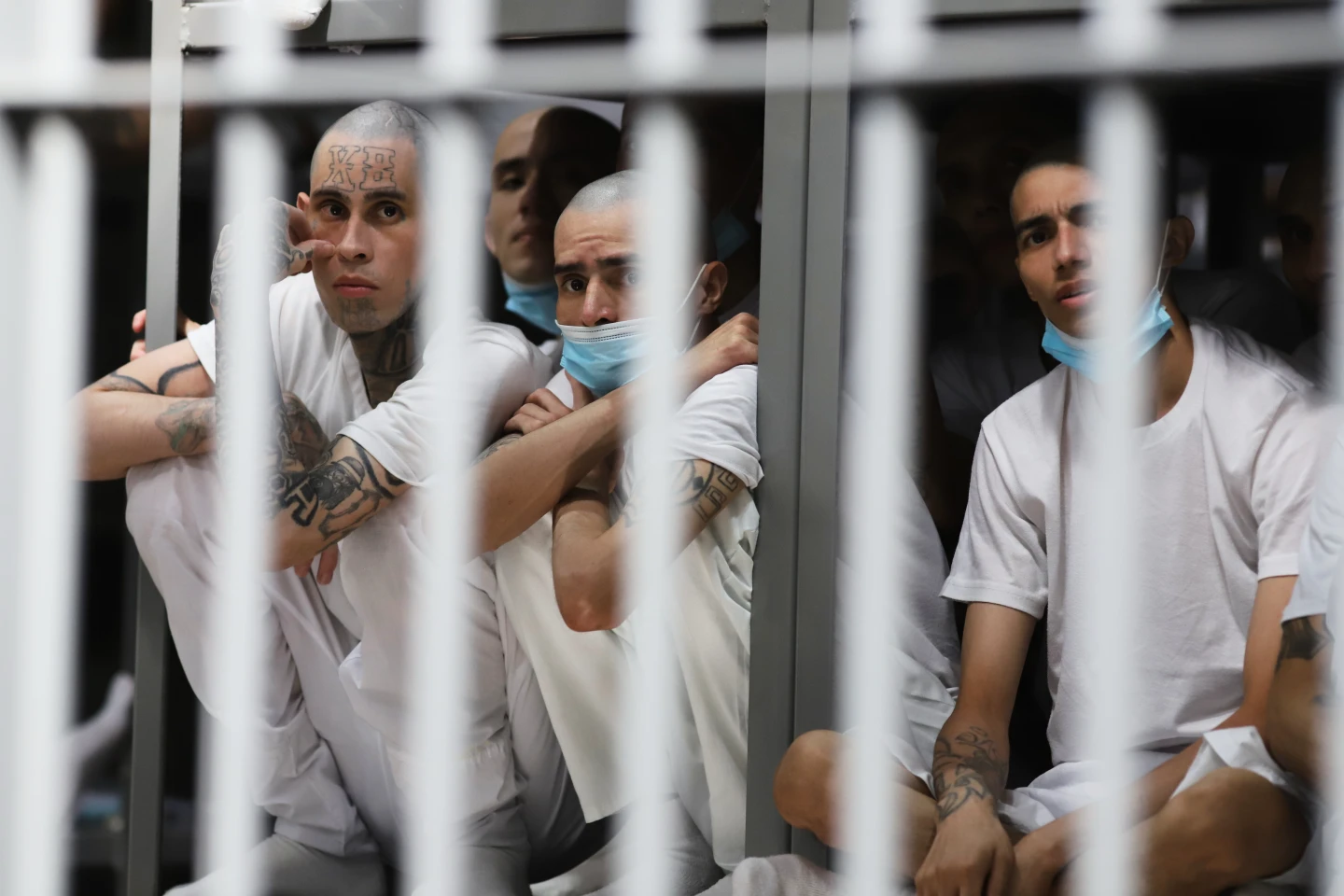
Juanita Goebertus, the Americas director at Human Rights Watch, stressed the importance of due process, stating, Deportation cannot mean enforced disappearance. The report illustrates that detainees are often held without trial, leading to mass trials and a troubling lack of accountability.
El Salvador's government has yet to respond to the specific allegations made in the report. Under President Nayib Bukele's regime, the implementation of the emergency decree has resulted in the detention of approximately 91,300 individuals, with claims that only a small percentage have a history of violent crime.
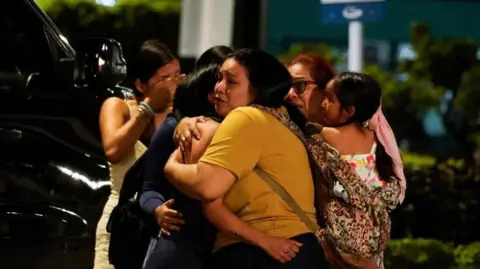
Families are left in distress, desperate for information. One mother, anxious about her son, expressed, I want information. I want someone to tell me that my son is OK, that he’s alive. The stark realities revealed by this report challenge the narrative surrounding deportation and raise urgent questions about human rights for deportees and the justice system in El Salvador.
Ultimately, these emerging concerns urge the need for greater transparency and adherence to legal rights, raising critical discussions on the implications of state policies on vulnerable migrants.
Since the inauguration of President Donald Trump in January 2025, more than 9,000 Salvadorans have been deported from the U.S., with many reportedly sent directly to a mega prison known as CECOT. Interviews conducted with family members and legal representatives reveal concerning practices where deportees are not allowed to communicate with loved ones, nor are they provided with legal representation.
Juanita Goebertus, the Americas director at Human Rights Watch, stressed the importance of due process, stating, Deportation cannot mean enforced disappearance. The report illustrates that detainees are often held without trial, leading to mass trials and a troubling lack of accountability.
El Salvador's government has yet to respond to the specific allegations made in the report. Under President Nayib Bukele's regime, the implementation of the emergency decree has resulted in the detention of approximately 91,300 individuals, with claims that only a small percentage have a history of violent crime.
Families are left in distress, desperate for information. One mother, anxious about her son, expressed, I want information. I want someone to tell me that my son is OK, that he’s alive. The stark realities revealed by this report challenge the narrative surrounding deportation and raise urgent questions about human rights for deportees and the justice system in El Salvador.
Ultimately, these emerging concerns urge the need for greater transparency and adherence to legal rights, raising critical discussions on the implications of state policies on vulnerable migrants.