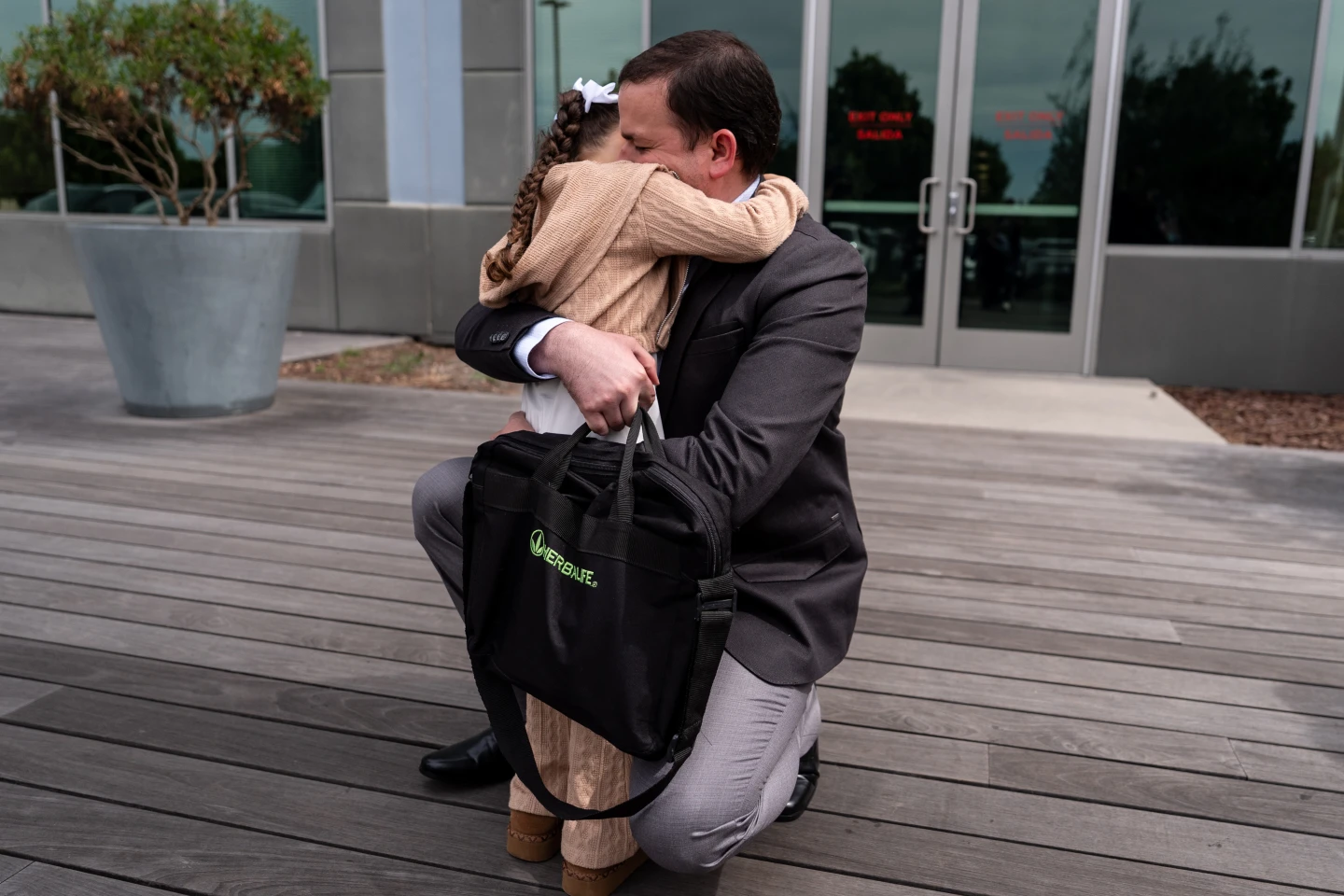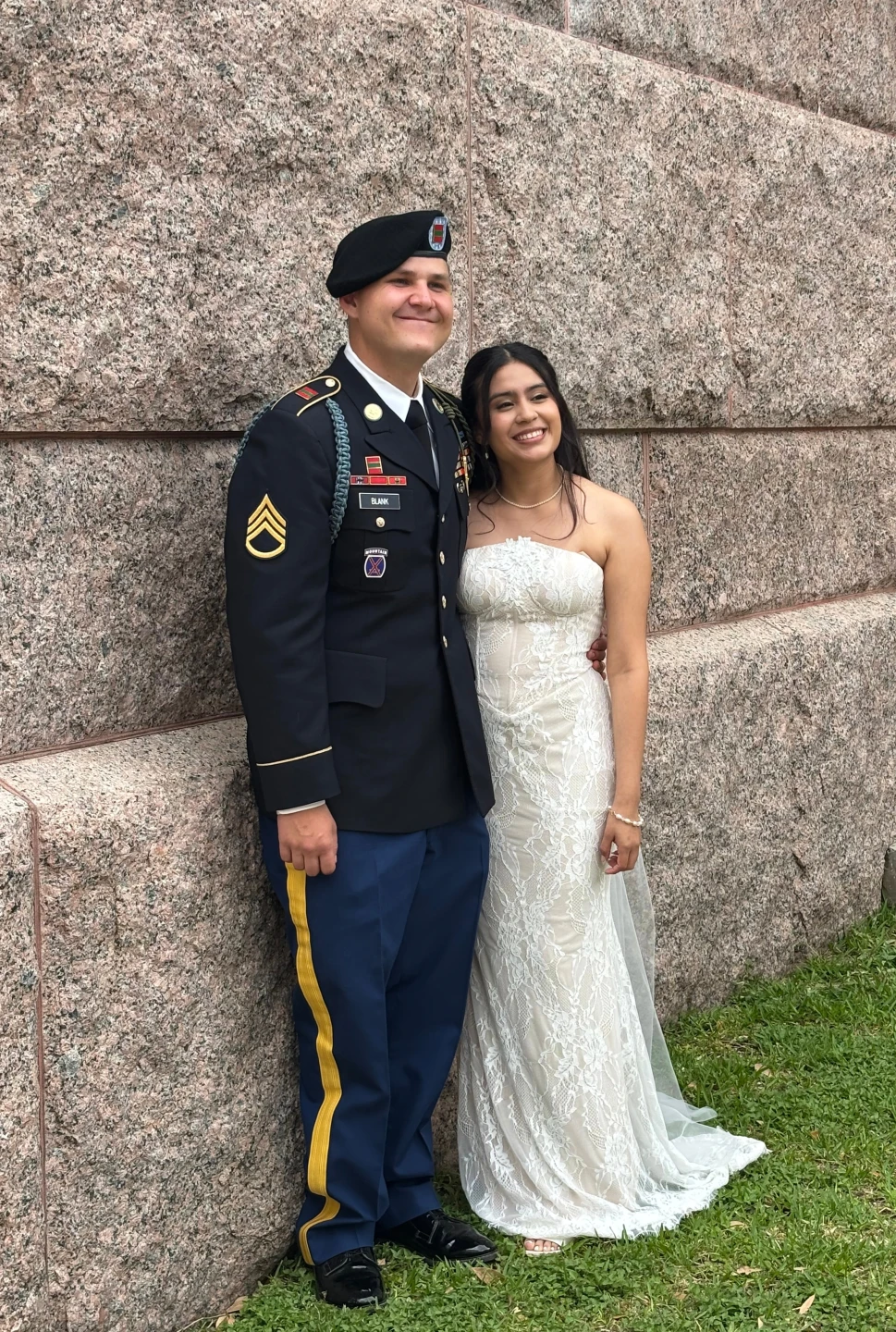
NEW ORLEANS — A U.S. Army staff sergeant is trying to halt his wife’s deportation after she was detained on a Louisiana military base just days following their wedding. The case has ignited criticism from military family advocates who label the detention as demoralizing during wartime and warn that it could hinder military recruitment efforts.
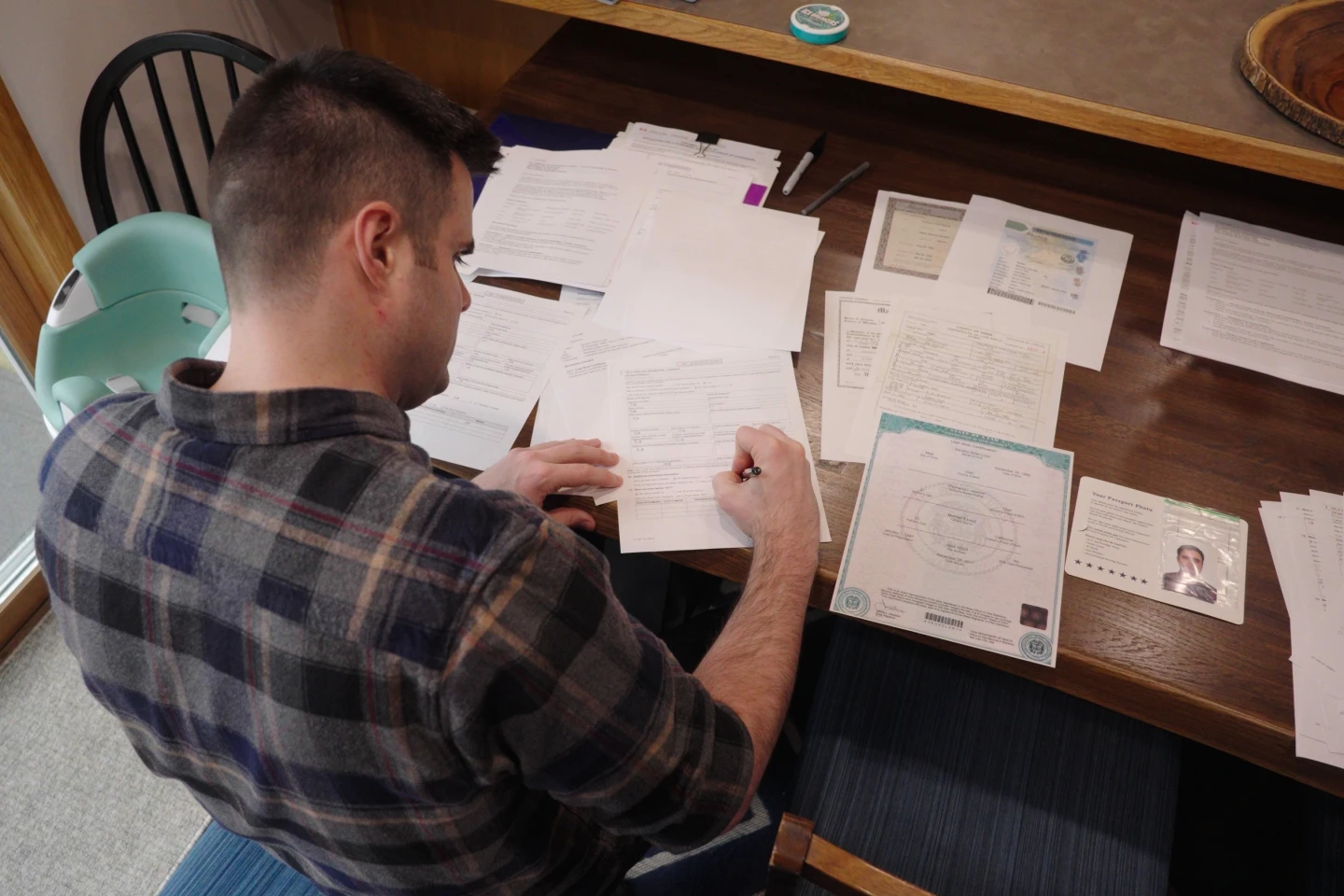
Staff Sgt. Matthew Blank, 23, married Annie Ramos, 22, in March and brought her to Fort Polk, Louisiana, last Thursday to begin the process for military benefits and her green card application. However, federal immigration agents detained Ramos, citing enforcement under the Trump administration's deportation agenda, which has eliminated past leniencies toward military families' immigration status, according to legal experts.
I never imagined that trying to do the right thing would lead to her being taken away from me, said Blank in a recent statement. What was supposed to be the happiest week of our lives has turned into one of the hardest.
Ramos had entered the U.S. in 2005 when she was under two years old, but her family's failure to attend an immigration hearing left her with a final order of removal. Blank noted that Ramos's application for Deferred Action for Childhood Arrivals (DACA) has remained unresolved amid ongoing legal battles surrounding the program.
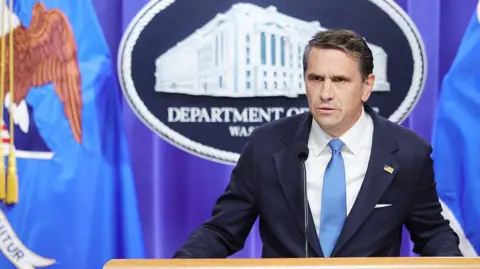
The Department of Homeland Security (DHS) communicated that Ramos lacks legal status, affirming that the current administration prioritizes adherence to immigration laws. Recently, DHS reversed a policy recognizing military service as a significant factor in immigration enforcement decisions, opting instead for stricter measures against families of service members.
Experts argue that Ramos’s detention marks a shift in enforcement focus, with military families increasingly feeling targeted. It doesn’t make any sense—they’re going to get arrested for following the law? That’s stupid, stated Margaret Stock, a military immigration law expert, highlighting concerns about military readiness and morale.
In September, over 60 Congressional members reached out to DHS and the Department of Defense, emphasizing that such arrests betray commitments to service members involved in national security.
Lydiah Owiti-Otienoh, from the Foreign-Born Military Spouse Network, voiced that increased immigration restrictions are endangering the stability of military families, crucial to national security. Blank’s mother, Jen Rickling, praised Ramos's character, calling her a wonderful partner to her son. I believe we can do better than this—for Annie, for other military families, and for the values we hold dear, she expressed.
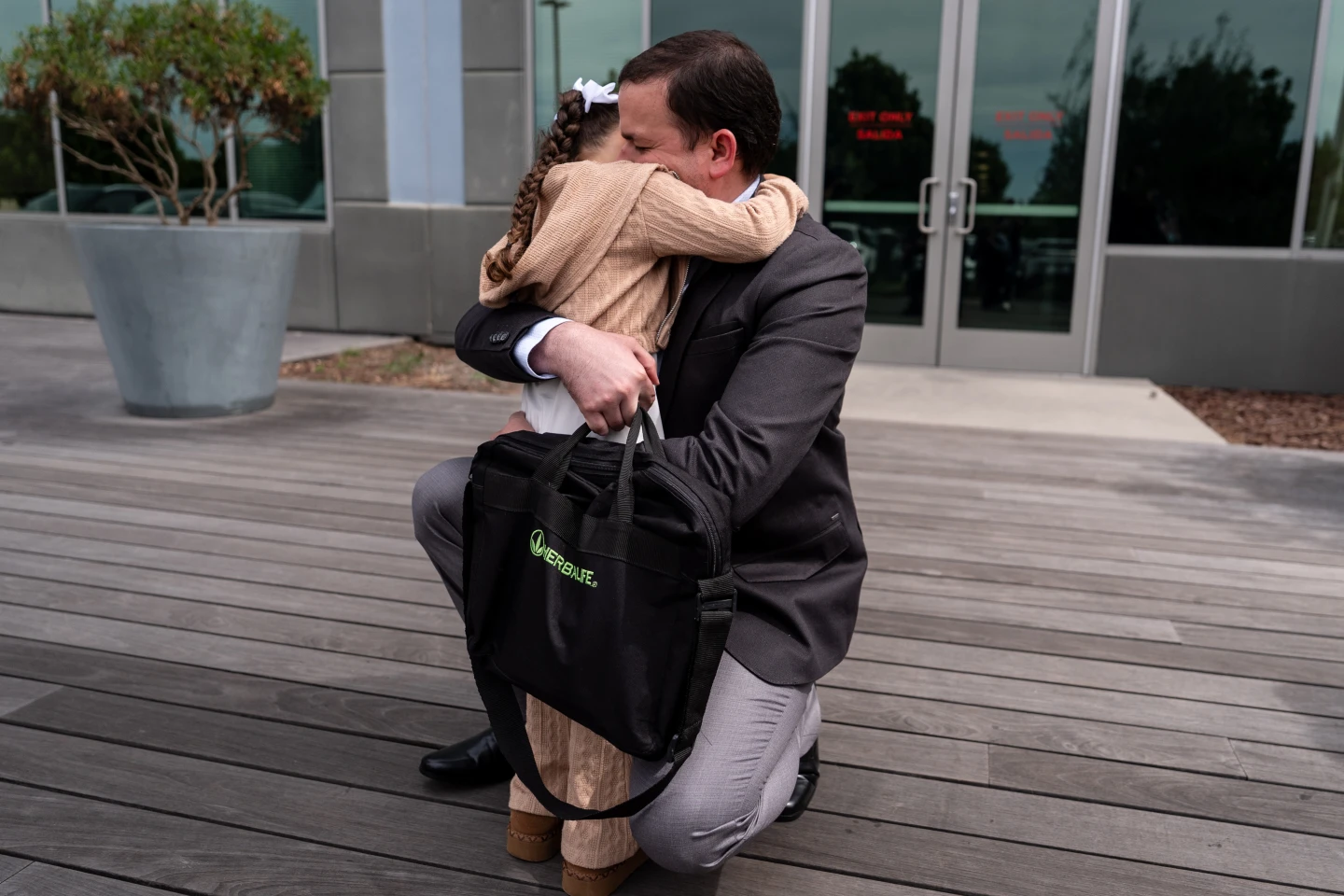
Blank’s plea to have his wife home underscores a heartfelt determination, stating, I want my wife home, and I will not stop fighting until she is back where she belongs, by my side.\
Staff Sgt. Matthew Blank, 23, married Annie Ramos, 22, in March and brought her to Fort Polk, Louisiana, last Thursday to begin the process for military benefits and her green card application. However, federal immigration agents detained Ramos, citing enforcement under the Trump administration's deportation agenda, which has eliminated past leniencies toward military families' immigration status, according to legal experts.
I never imagined that trying to do the right thing would lead to her being taken away from me, said Blank in a recent statement. What was supposed to be the happiest week of our lives has turned into one of the hardest.
Ramos had entered the U.S. in 2005 when she was under two years old, but her family's failure to attend an immigration hearing left her with a final order of removal. Blank noted that Ramos's application for Deferred Action for Childhood Arrivals (DACA) has remained unresolved amid ongoing legal battles surrounding the program.
The Department of Homeland Security (DHS) communicated that Ramos lacks legal status, affirming that the current administration prioritizes adherence to immigration laws. Recently, DHS reversed a policy recognizing military service as a significant factor in immigration enforcement decisions, opting instead for stricter measures against families of service members.
Experts argue that Ramos’s detention marks a shift in enforcement focus, with military families increasingly feeling targeted. It doesn’t make any sense—they’re going to get arrested for following the law? That’s stupid, stated Margaret Stock, a military immigration law expert, highlighting concerns about military readiness and morale.
In September, over 60 Congressional members reached out to DHS and the Department of Defense, emphasizing that such arrests betray commitments to service members involved in national security.
Lydiah Owiti-Otienoh, from the Foreign-Born Military Spouse Network, voiced that increased immigration restrictions are endangering the stability of military families, crucial to national security. Blank’s mother, Jen Rickling, praised Ramos's character, calling her a wonderful partner to her son. I believe we can do better than this—for Annie, for other military families, and for the values we hold dear, she expressed.
Blank’s plea to have his wife home underscores a heartfelt determination, stating, I want my wife home, and I will not stop fighting until she is back where she belongs, by my side.\