In brief
A recent two-month Arctic patrol by the Canadian Armed Forces highlighted the increasing complexities of operating in extreme conditions. With various challenges including severe cold, hazardous wildlife, and the impacts of climate change, over 1,300 personnel participated in testing survival capabilities while collaborating with Inuit communities to enhance navigation and safety. This mission underscores the evolving military strategies in response to growing geopolitical and environmental concerns in the Arctic.
A simple row of spruce trees marked the finish line for Canadian army reservists and combat members after a marathon two months pushing through one of the harshest environments on Earth: Canada's vast Arctic.
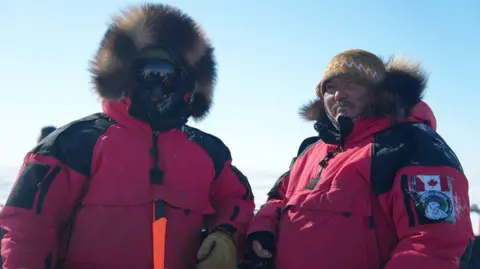
The patrol, which ended on Friday in Churchill, Manitoba, was the largest northern mission in the history of the Canadian Rangers - a branch of the Canadian Armed Forces responsible for monitoring the country's remote regions. For 5,200km (3,200 miles), they moved across the Arctic, following a route that had not been attempted in 80 years.
They drove snowmobiles across ice-covered terrain, navigating blizzards and high winds as they travelled for hours between remote northern communities. Some nights, they camped on the ice in tents as temperatures plunged to -60C (-76F).
On the final night, on the frozen shores of the Hudson Bay, they set up camp next to an abandoned trading post as the ice crackled beneath them while the northern lights danced above.
There were constant hazards to be wary of, from polar bears to frostbite and cold-weather dehydration.
The patrol is part of an annual Canadian Armed Forces operation to showcase Canada's military presence in the north. A total of 1,300 military personnel took part this year, tasked with surveying the land, studying climate change, unlocking new travel routes, and testing Arctic survival and warfare capabilities.
The mission has gained renewed significance amid a geopolitical scramble for Arctic resources as climate change opens new navigational passages. Concerns escalated following remarks from U.S. President Trump about Greenland, intensifying concerns among NATO allies regarding Arctic sovereignty and defense.
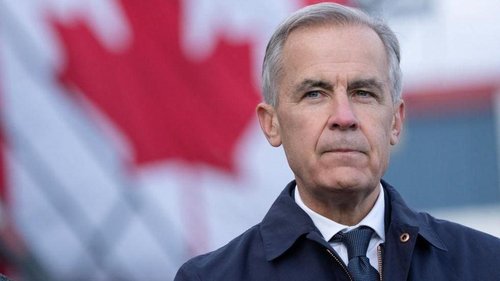
Mark Carney's defense plan includes investments to bolster military capabilities in the Arctic, an urgent move as Canada emphasizes northern sovereignty. Military exercises work to enhance preparation for potential conflicts, particularly in light of Russian military presence in the region, which continues to be a formidable concern.
The joint exercise involved not only Canadian forces but also invited personnel from international allies. Collaborative missions sought to prepare Canada for potential worst-case scenarios in an increasingly contested Arctic region.
This year's operation faced numerous challenges, including blizzards that forced cancellations of military exercises and health issues among participants. Nonetheless, commanders viewed the mission as a success, indicating a robust capability to operate in unforgiving circumstances.
As the Canadian Armed Forces navigate these complex challenges, they will continue to rely heavily on the knowledge of Indigenous members, recognized for their critical insight into Arctic navigation and survival.