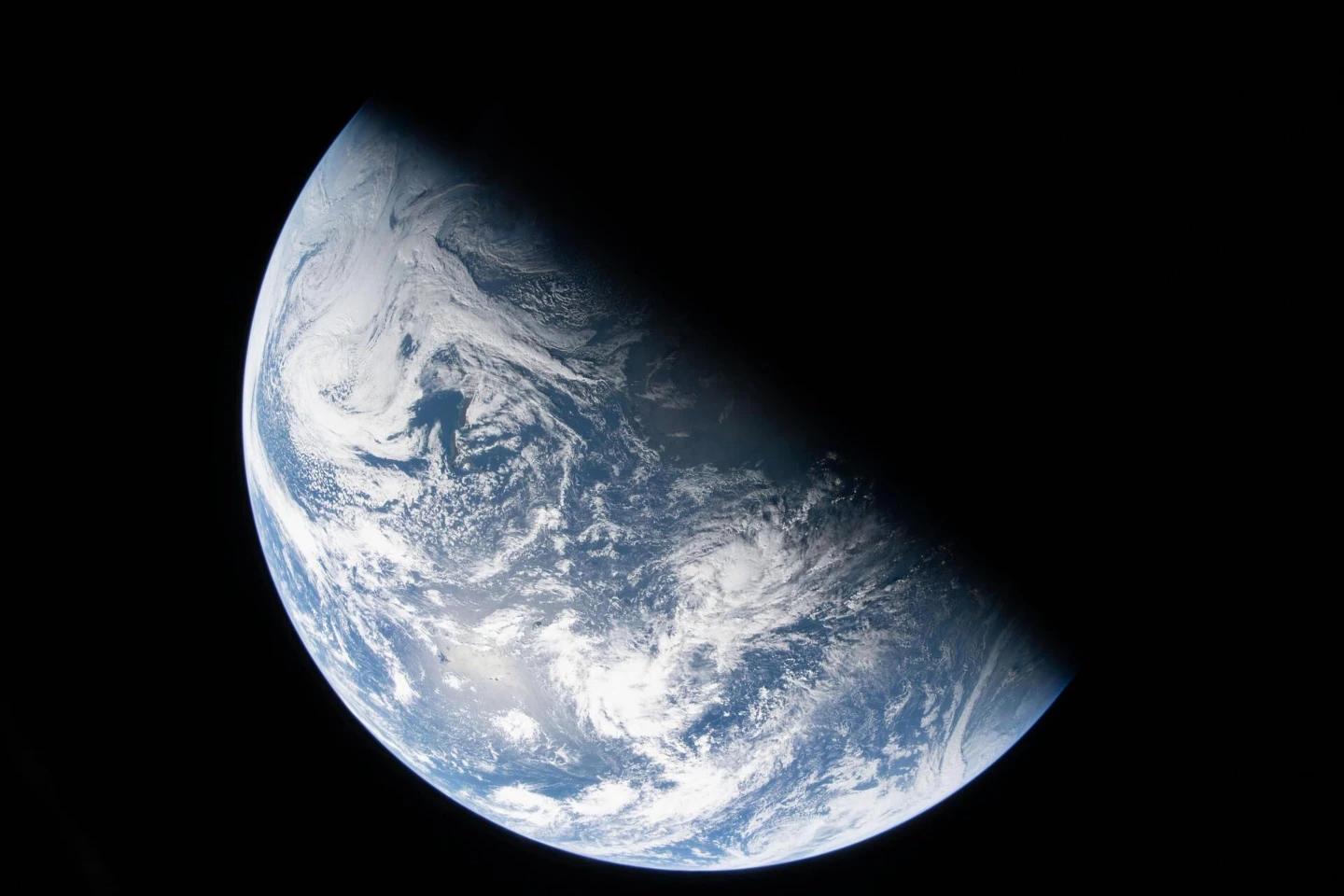
As the Artemis II crew continues their journey, they are making history as they approach the moon, where they will capture the elusive far side of the lunar landscape. The mission features three American astronauts — Reid Wiseman, Victor Glover, and Christina Koch — alongside Canadian astronaut Jeremy Hansen, marking his historic role as the first non-U.S. citizen to partake in a lunar mission.
On Saturday, the Canadian Space Agency highlighted Hansen's journey, emphasizing the importance of this mission for Canada's future in space exploration. NASA's current endeavor aims to go beyond what was achieved during the Apollo program, preparing for a sustainable presence on the moon with a planned lunar base near the south pole by 2028.
Hansen and his crew are anticipated to travel over 252,000 miles (400,000 kilometers) from Earth, setting a new record for human travel distance, surpassing the distance held by the Apollo 13 mission.
The nearly 10-day mission, culminating in a splashdown in the Pacific Ocean on April 10, 2024, serves as a crucial step in NASA’s broader aspirations of prolonged lunar exploration. Hansen, sharing his excitement from the Orion capsule, noted extraordinary views as the mission unfolds.
As the crew embraces both the adventure and the challenges of this groundbreaking journey, the success of Artemis II could pave the way for future missions, fostering collaboration in the global effort to explore the mysteries of our solar system.
On Saturday, the Canadian Space Agency highlighted Hansen's journey, emphasizing the importance of this mission for Canada's future in space exploration. NASA's current endeavor aims to go beyond what was achieved during the Apollo program, preparing for a sustainable presence on the moon with a planned lunar base near the south pole by 2028.
Hansen and his crew are anticipated to travel over 252,000 miles (400,000 kilometers) from Earth, setting a new record for human travel distance, surpassing the distance held by the Apollo 13 mission.
The nearly 10-day mission, culminating in a splashdown in the Pacific Ocean on April 10, 2024, serves as a crucial step in NASA’s broader aspirations of prolonged lunar exploration. Hansen, sharing his excitement from the Orion capsule, noted extraordinary views as the mission unfolds.
As the crew embraces both the adventure and the challenges of this groundbreaking journey, the success of Artemis II could pave the way for future missions, fostering collaboration in the global effort to explore the mysteries of our solar system.