Heckling at a Key Islamic Celebration
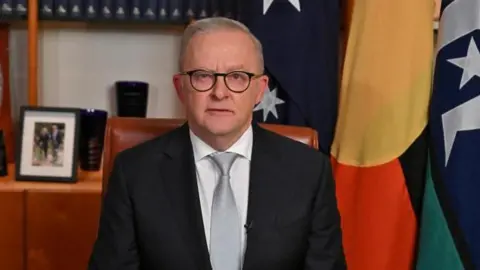
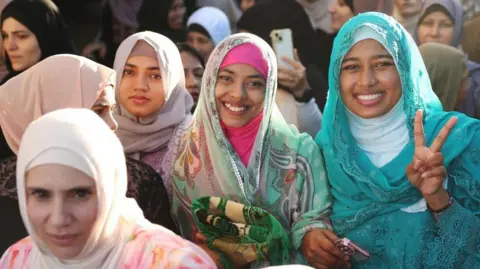
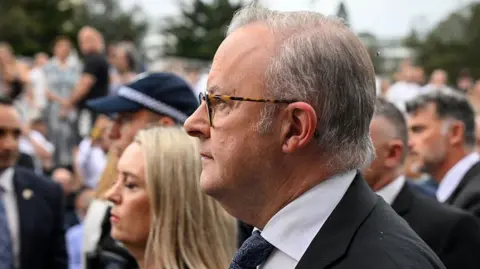
Australia's Prime Minister Anthony Albanese was heckled during an event at a Sydney mosque marking the end of the holy month of Ramadan.
Albanese and Home Affairs Minister Tony Burke attended the Eid prayers at Lakemba Mosque, one of Australia's largest, after being invited by community leaders. However, they faced backlash from some attendees who called them 'genocide supporters,' with shouts of 'boo' and 'get out of here' resonating through the mosque.
This unrest reflects profound concern within the Muslim community over the government's response to the ongoing Israel-Gaza war and rising Islamophobia domestically. One protesting man was removed by police but later released without charges.
As Albanese exited the mosque, he continued to receive shouts from several protesters, with one voicing, 'Why is he here? Get him out of here! It's a disgrace.'
Despite this, the Lebanese Muslim Association, which operates the mosque, issued a statement affirming that Albanese was welcomed at the prayers and emphasized the need for ongoing dialogue with the political leadership.
They recognized the high emotions surrounding the issues tied to the Israel-Gaza conflict, underlining that such concerns are not distant for their community. They stated, 'Choosing to engage with the elected leadership of this country is not a betrayal of those concerns. It is how we give them a voice.'
Albanese later remarked that most attendees received him positively, suggesting dissent may stem from his government's recent actions to outlaw extremist organizations, including Hizb ut-Tahrir.
The prime minister's visit marked the first invitation extended to a prime minister for prayers since the onset of the Israel-Gaza conflict. The mosque expressed that community tensions, along with increased reports of antisemitism and Islamophobia, have surged since the outbreak of hostilities following Hamas's attack on Israel.
This incident is reminiscent of mixed receptions faced by politicians at Eid events in recent years, highlighting the political sensitivities surrounding such religious celebrations.