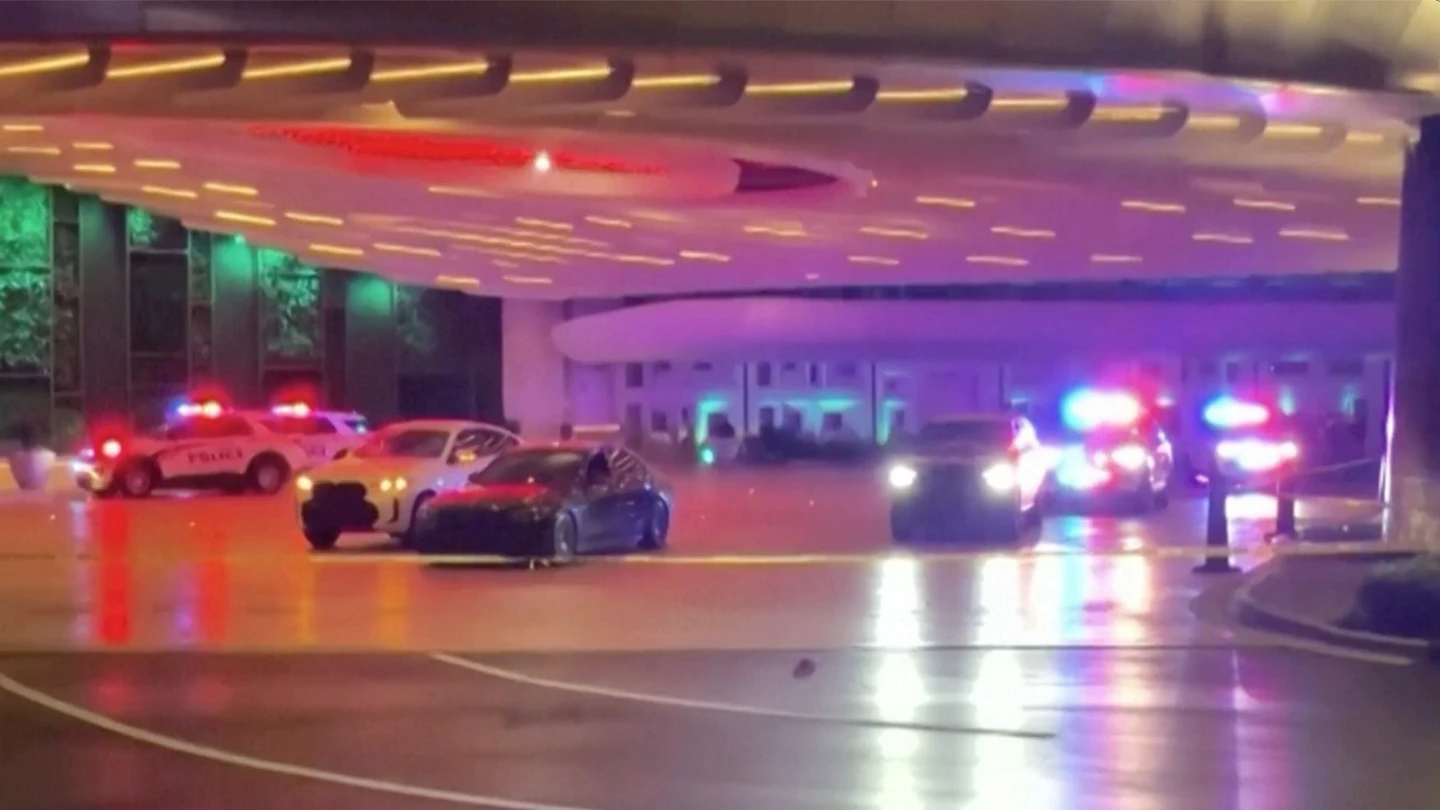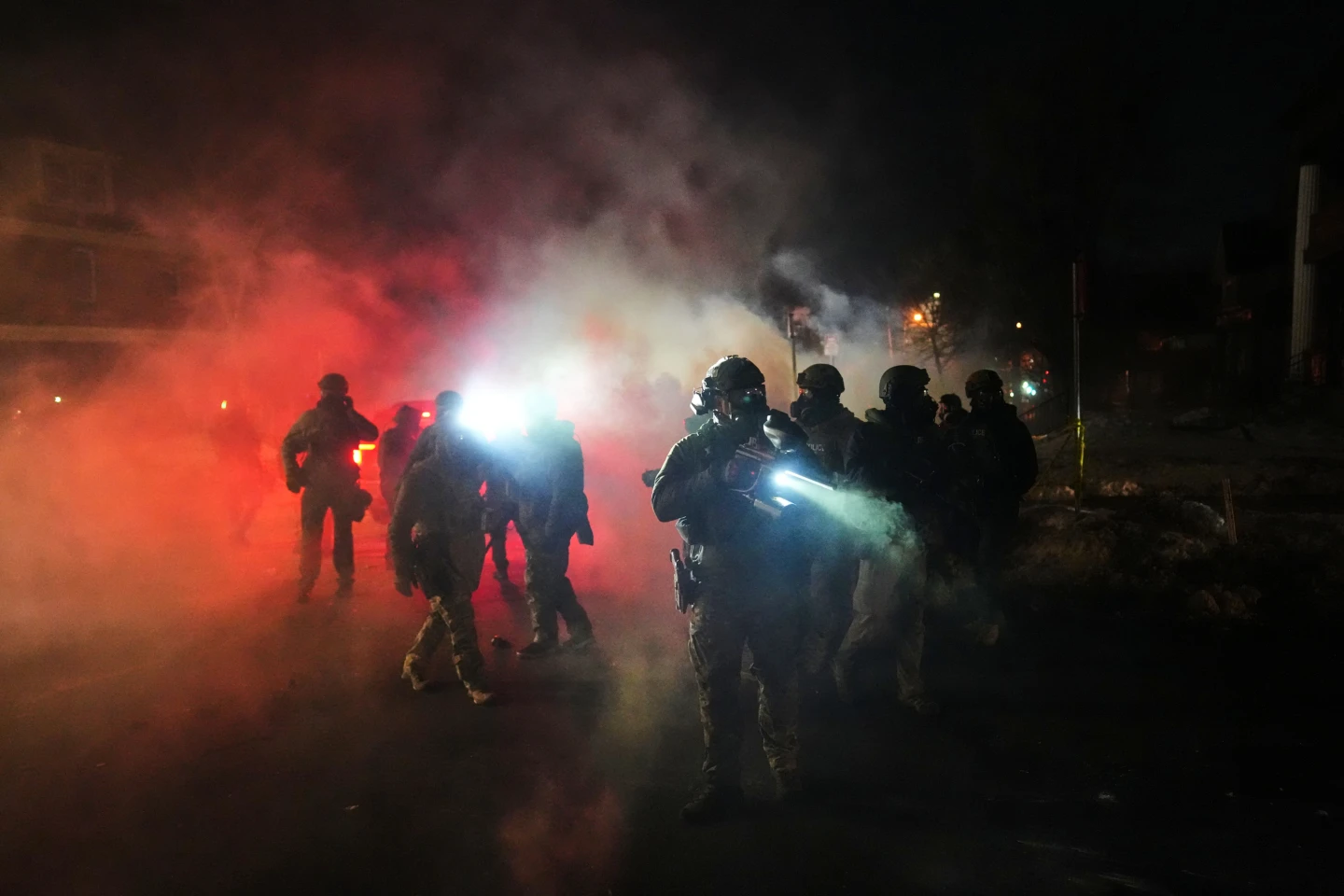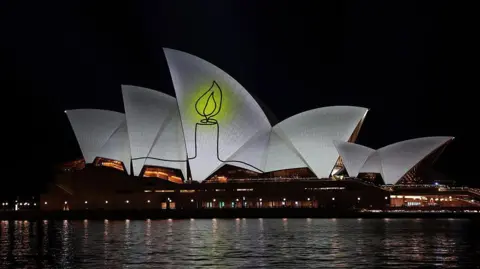
As helicopters circled overhead and sirens echoed through Bondi Beach, the community felt a grim sense of déjà vu following the tragic shooting on December 14th. Witness Mary, who was present during a past, equally horrific stabbing incident, articulated the collective horror and disbelief that struck once again. This recent event, deemed a terror attack by police, claimed the lives of 15 individuals, including a young girl, reigniting debates around safety in Australia.
In the aftermath, a community day of reflection culminated with an emotional memorial, signaling a profound societal wound as it grappled with such violence occurring twice within 18 months. The scars from the tragedies remain fresh, prompting discussions on mental health and the accessibility of support systems. Local leaders, including Bondi's mayor Will Nemesh, noted that the interconnectedness of the community means that nearly everyone knows someone affected by these acts of violence.
The Jewish community, particularly impacted by the December shooting, expressed their feelings of safety being compromised in what has been a long-standing sanctuary for them. Many echo sentiments of dread as they revisit memories of past antisemitism, revealing rising fears among individuals who have previously felt secure in their identities.
In a stark contrast to the shock and sorrow is the resilience exhibited by community members. Lifeguards and locals sprang into action during the attack, ensuring assistance was rendered to those in need. There was a notable outpouring of support across the nation, as numerous Australians came forward to donate blood and share condolences.
However, alongside this compassion lies frustration directed towards government responses. Criticism has arisen against insufficient measures tackling rising antisemitism and perceived political exploitation of the tragedy. Calls for deeper inquiries into security failures and mental health policies underscore a demand for tangible change to prevent such heinous acts from recurring.
As a poignant reminder of the need for collective healing, the memorial ended with Rabbi Yehoram Ulman urging unity and action against hate, encapsulating the mixed emotions of grief, resilience, anger, and hope within this tragic context.