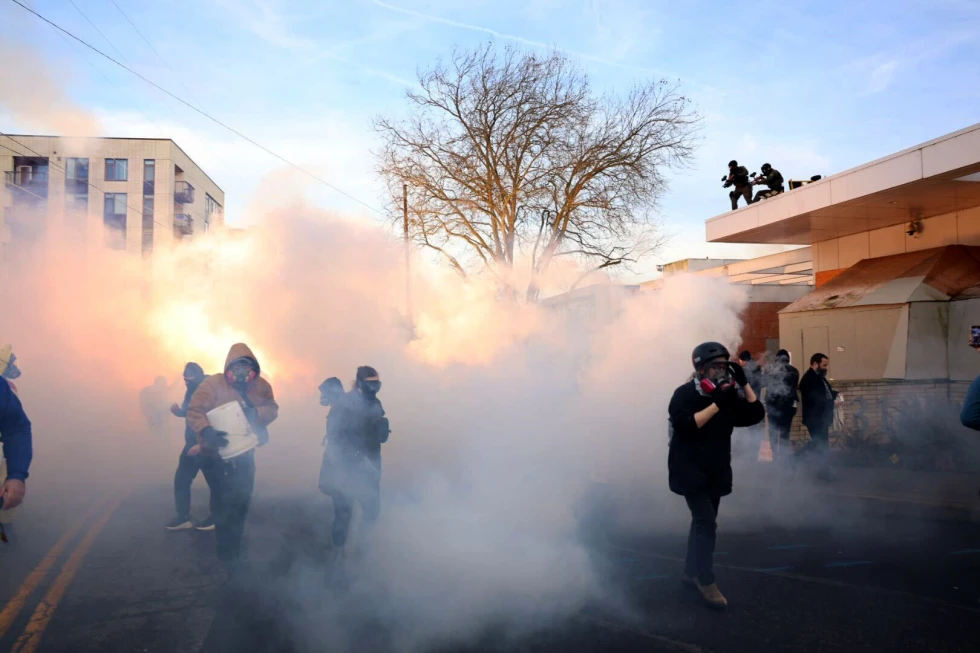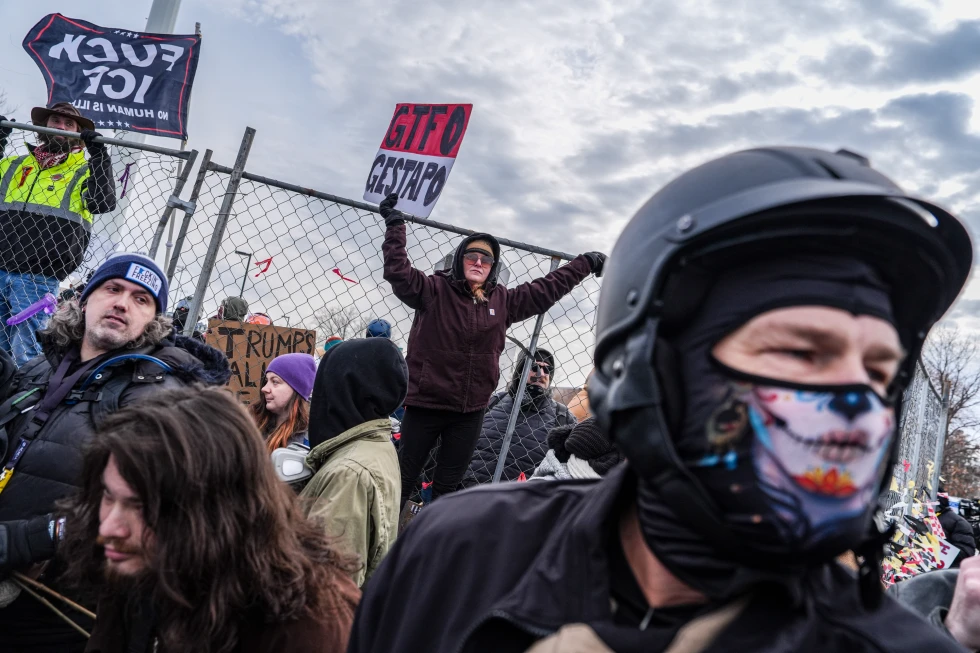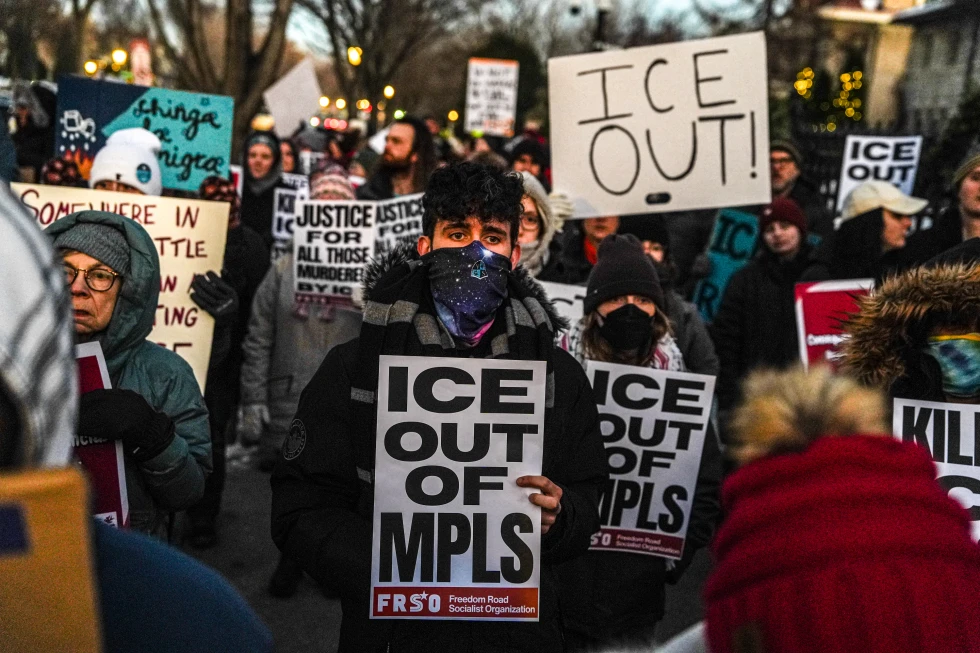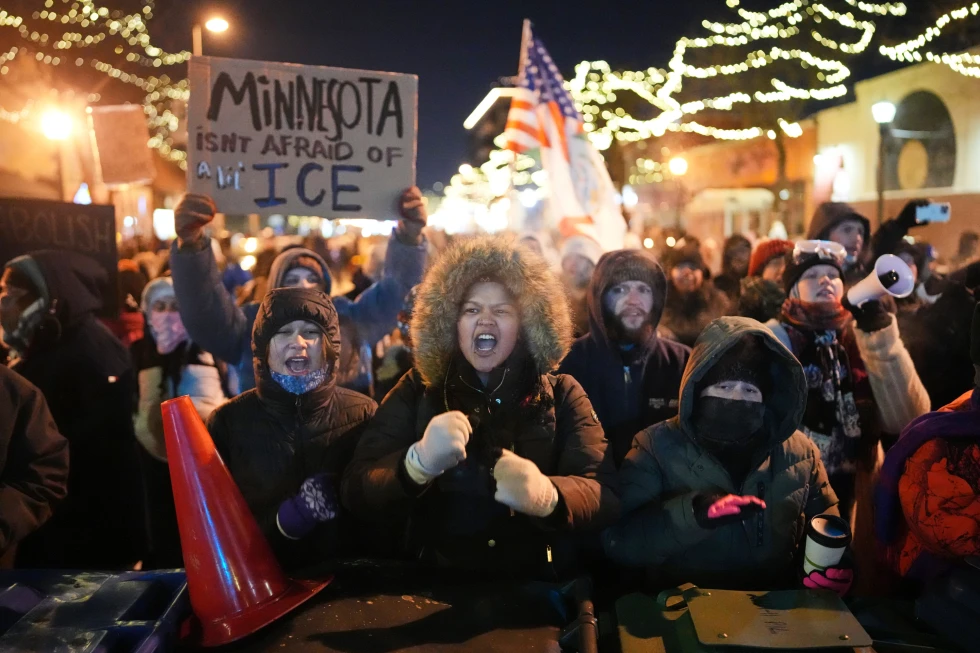
In recent weeks, the streets of Minneapolis have echoed with the sounds of protest against the Trump administration's aggressive immigration enforcement policy known as Operation Metro Surge. Thousands of concerned citizens, ranging from teachers to small business owners, have mobilized to keep watch over immigration agents as they carry out operations across the city.
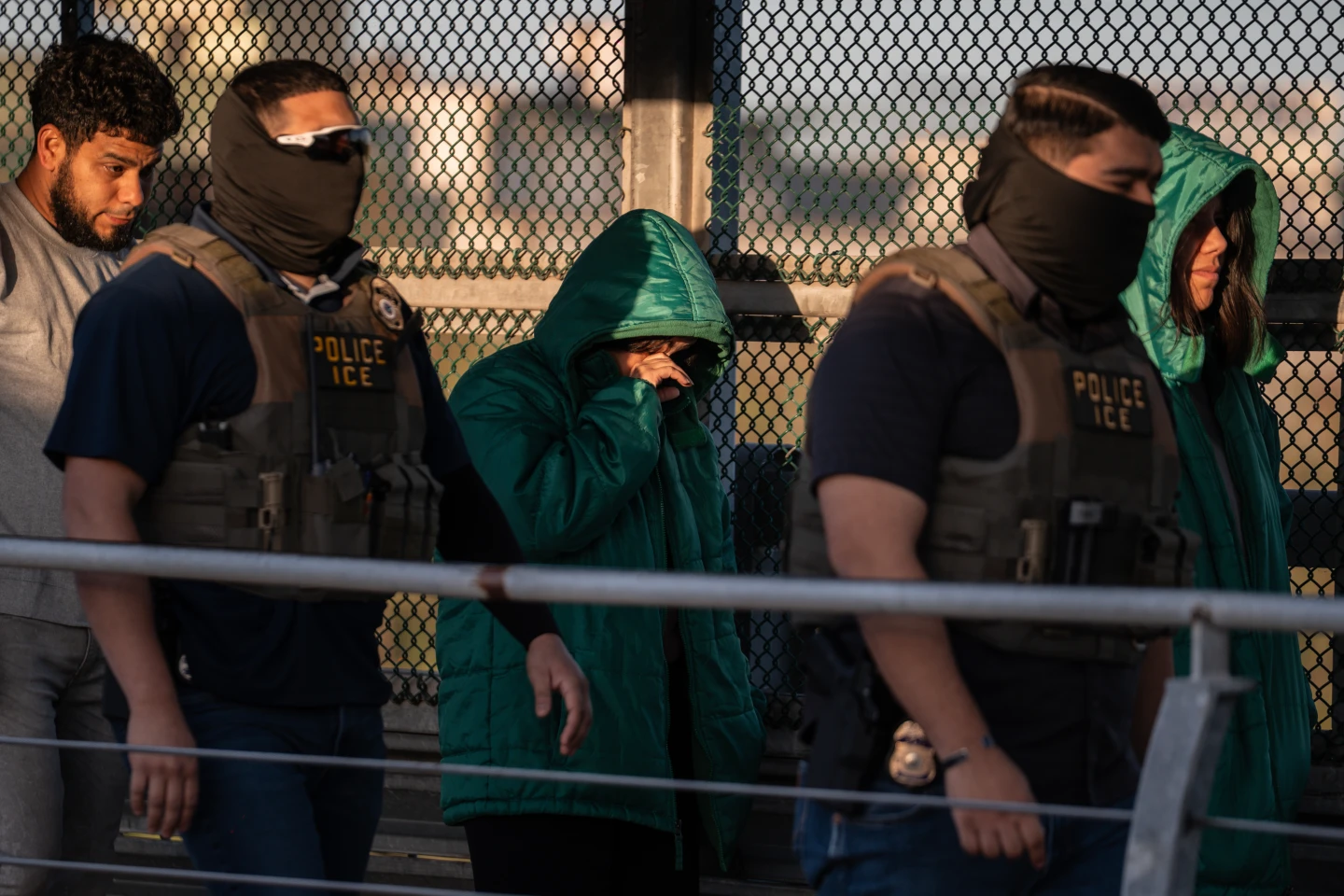
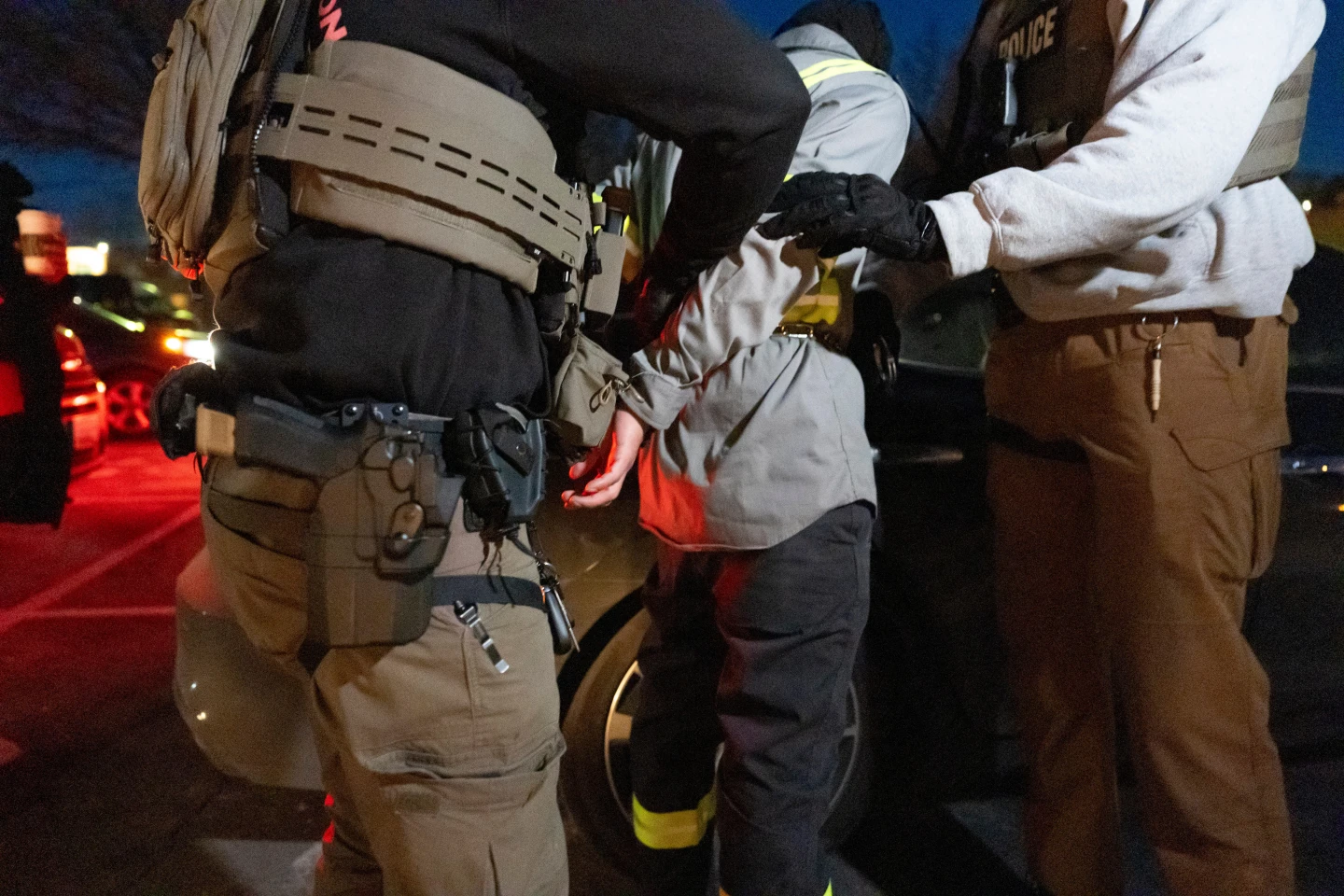
The surge began in earnest in early January, described by one ICE official as 'the largest immigration operation ever.' This has led to a significant number of arrests, with federal agents becoming a common presence in immigrant-heavy neighborhoods. Despite official statements claiming the focus is on serious criminal offenders, residents cite random stops and aggressive tactics as the reality of the crackdown.
Community response has been swift and comprehensive. Activist groups in the deeply liberal Minneapolis-St. Paul area have swiftly organized support networks aimed at protecting those affected by the heightened law enforcement. These groups are composed of volunteers who deliver food, provide transportation, and establish rapid response networks to track immigration agents. Utilizing encrypted messaging apps, these networks have become vital lifelines, coordinating efforts and sharing real-time updates about the movements of ICE officers.
Across the city, fear has changed daily routines within immigrant communities, with many avoiding essential services, and businesses adjusting operations or closing entirely to mitigate risk. The reaction to federal agents' presence has often turned confrontational, with protests sometimes escalating into physical altercations.
Despite the political leanings of the area, opinions on how to confront the issue differ. Some activists advocate for aggressive tactics to show opposition to the federal crackdown, while others caution that such actions could lead to unnecessary aggression from law enforcement. The complexity of this situation illustrates the balancing act between community defense and the potential dangers of direct confrontation with immigration authorities.
One participant in the rapid response network, known only by her nickname 'Sunshine,' expresses concern over the current administration’s tactics, viewing them as a means to instill fear within immigrant communities. She patrols neighborhoods to look out for signs of federal agents, recognizing the significant emotional toll this climate of fear takes on residents.
As this situation continues to unfold, the Minneapolis community remains deeply engaged in a dialogue about immigration policy, community safety, and the best strategies for protecting its most vulnerable members.
The surge began in earnest in early January, described by one ICE official as 'the largest immigration operation ever.' This has led to a significant number of arrests, with federal agents becoming a common presence in immigrant-heavy neighborhoods. Despite official statements claiming the focus is on serious criminal offenders, residents cite random stops and aggressive tactics as the reality of the crackdown.
Community response has been swift and comprehensive. Activist groups in the deeply liberal Minneapolis-St. Paul area have swiftly organized support networks aimed at protecting those affected by the heightened law enforcement. These groups are composed of volunteers who deliver food, provide transportation, and establish rapid response networks to track immigration agents. Utilizing encrypted messaging apps, these networks have become vital lifelines, coordinating efforts and sharing real-time updates about the movements of ICE officers.
Across the city, fear has changed daily routines within immigrant communities, with many avoiding essential services, and businesses adjusting operations or closing entirely to mitigate risk. The reaction to federal agents' presence has often turned confrontational, with protests sometimes escalating into physical altercations.
Despite the political leanings of the area, opinions on how to confront the issue differ. Some activists advocate for aggressive tactics to show opposition to the federal crackdown, while others caution that such actions could lead to unnecessary aggression from law enforcement. The complexity of this situation illustrates the balancing act between community defense and the potential dangers of direct confrontation with immigration authorities.
One participant in the rapid response network, known only by her nickname 'Sunshine,' expresses concern over the current administration’s tactics, viewing them as a means to instill fear within immigrant communities. She patrols neighborhoods to look out for signs of federal agents, recognizing the significant emotional toll this climate of fear takes on residents.
As this situation continues to unfold, the Minneapolis community remains deeply engaged in a dialogue about immigration policy, community safety, and the best strategies for protecting its most vulnerable members.