In brief
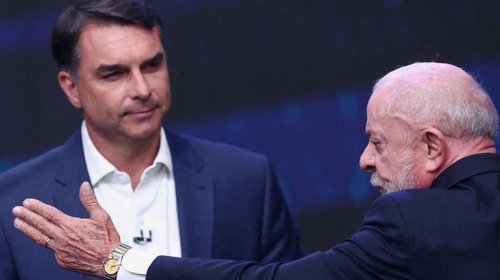
Brazil's 2026 run‑off pits 80‑year‑old Luiz Inácio Lula da Silva, the country's long‑standing left‑wing leader, against Flávio Bolsonaro, the 45‑year‑old son of the jailed former president. Lula seeks a fourth non‑consecutive term, while Bolsonaro promises hard‑line policing and economic cuts. The election, held on Sunday, is seen as a test of Brazil’s democratic resilience amid accusations of foreign interference and internal corruption. Voter turnout could swing on last‑minute rallies and claims of electoral manipulation by both sides. The outcome will shape Brazil’s domestic policies and its relationship with Washington and regional partners.
Brazil’s presidential runoff pits Lula against Flávio Bolsonaro
On Sunday, Brazilian voters head to the polls in a high‑stakes runoff election that could reshape the nation’s future. The contest is between 80‑year‑old incumbent Luiz Inácio Lula da Silva and 45‑year‑old Senator Flávio Bolsonaro, the son of former president Jair Bolsonaro who is serving a prison sentence for plotting a coup.
A battle of narratives
Lula’s Workers’ Party frames the election as a “battle for democracy,” arguing that his rival’s family is linked to the coup plot that toppled governance structures. By contrast, Bolsonaro’s campaign promises a tough crackdown on organised crime, tax reform and reduced public spending.
Last month, Bolsonaro topped the first‑round vote, a result praised by former U.S. President Donald Trump as a “very big” victory—yet he now faces the challenge of maintaining that lead in the second round.
Mobilization efforts on both sides
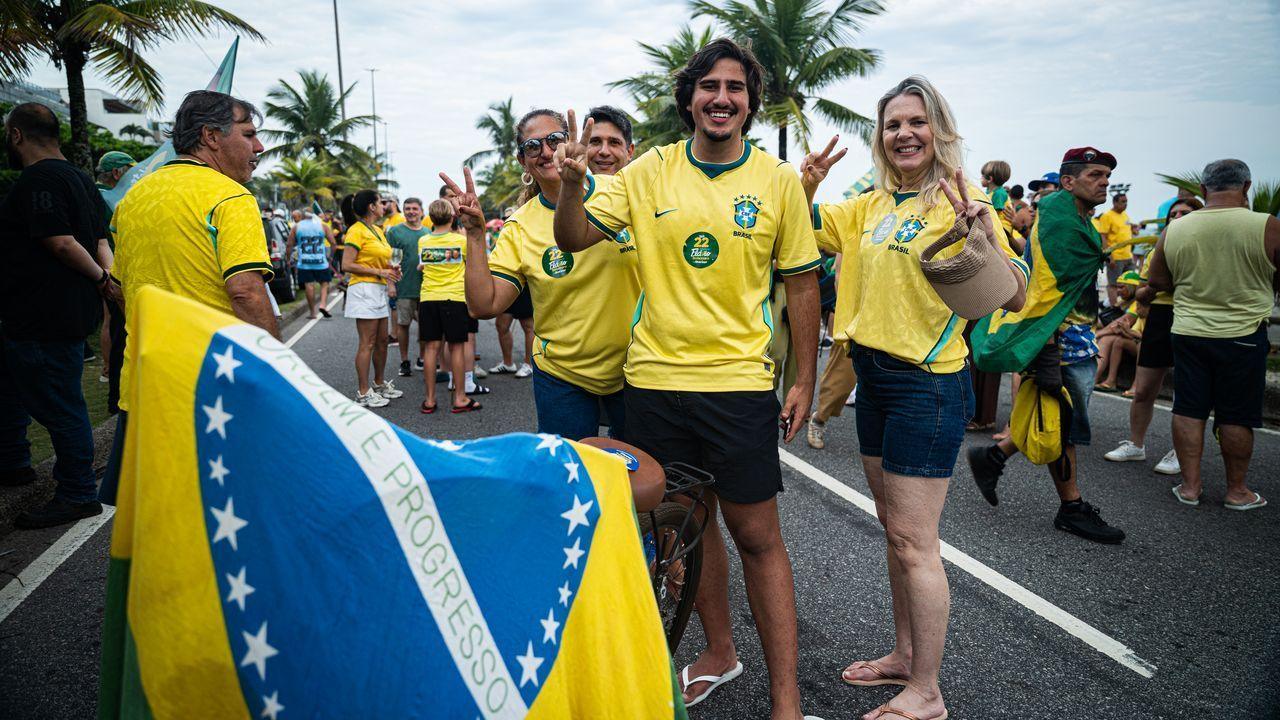
Flávio Bolsonaro’s supporters, proud of their national symbol, rallied in Rio de Janeiro’s Barra de Tijuca and Belo Horizonte, energised by promises to “end violence” and restore order. Meanwhile, Lula’s brass organized mass rallies on Copacabana beach and in Rio, warning that voters must choose the candidate who “kissed the Brazilian flag” rather than the American flag.
Both sides warn of foreign influence, with Lula accusing Washington of meddling and Bolsonaro urging cooperation with the U.S. to tackle gang‑controlled regions.
Implications for Brazil’s future
The result will influence Brazil’s economic direction, its stance on social programs, and its engagement with global powers. With 33 million absentee voters from the first round, the runoff could bring new voices to the nation’s decision‑making.