In brief
Gunmen on motorcycles struck the Taraba state village of Binnari after midday prayers, killing at least ten people and set houses ablaze. Witnesses report that up to 50 residents may have died, while police recovered ten bodies with gunshot wounds. Authorities say the gunmen fled in a convoy of roughly fifty motorcycles, looting shops and taking food, cash and abandoned vehicles. Human rights groups are calling for an independent inquiry as the violence highlights the vulnerability of rural communities amid ongoing insurgency threats.
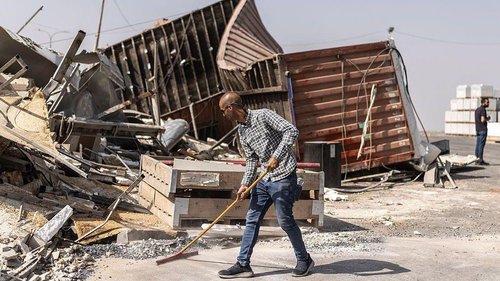
Gunmen on motorcycles assaulted the village of Binnari in Taraba state, northeast Nigeria, after midday prayers on a Friday, leaving at least ten people dead and burning several homes.
Eyewitnesses and local leaders say the number of casualties could be far higher, with one report estimating as many as 50 people killed, while another group supplies a figure around 20 dead and several missing.
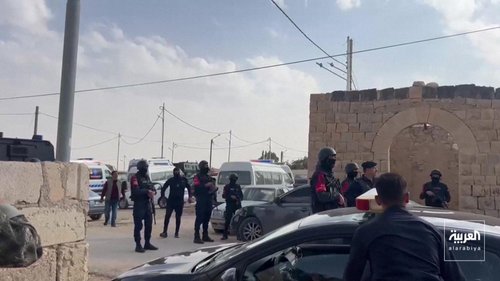
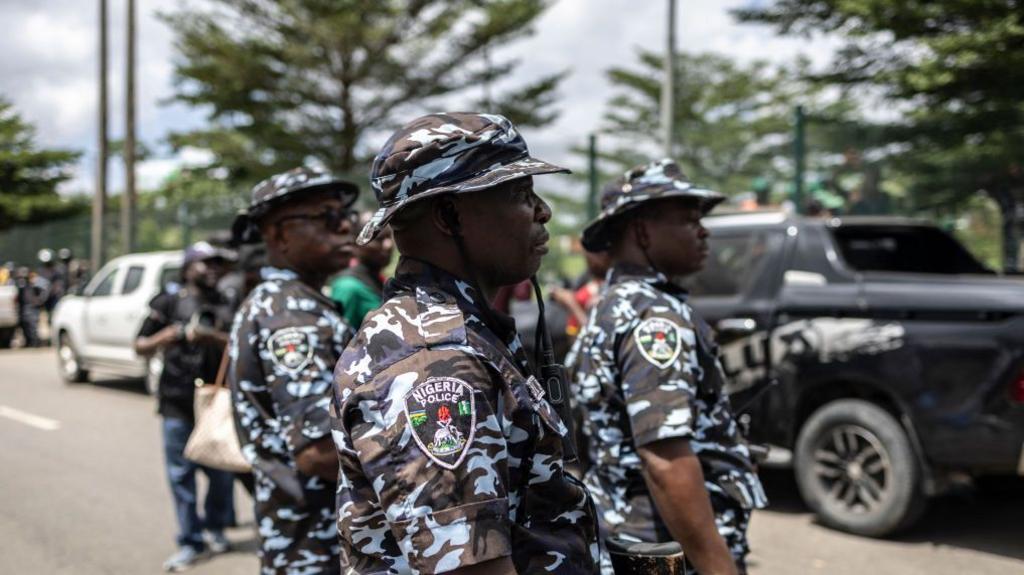
Police recovered ten bodies with gunshot wounds after a distress call, but the attackers had fled by the time officers arrived. The police, led by Assistant Superintendent Victor Mshelizah, say they are searching nearby woods for anyone who might still be alive.
Community leader Malam Abubakar Saifullahi described how the gunmen entered the village on around 50 motorcycles—two men per rider—robbing shops of cash, foodstuffs and abandoned vehicles, adding that some villagers had been left in terror.
Amnesty International has criticised the Nigerian authorities for failing to protect rural residents, while Amnesty’s Nigeria director Isa Sanusi called for an impartial investigation, citing a funeral with 37 mourners as evidence of a higher death toll.
West Africa has continued to experience waves of violent attacks from armed groups across the northern, central and northeastern regions, a development that fuels public criticism of the government’s security strategy.
In the longer run, the incident highlights the mounting insecurity faced by communities in the region and the urgent need for comprehensive security reforms.