Burkina Faso inaugurates first gold refinery to boost domestic value chain
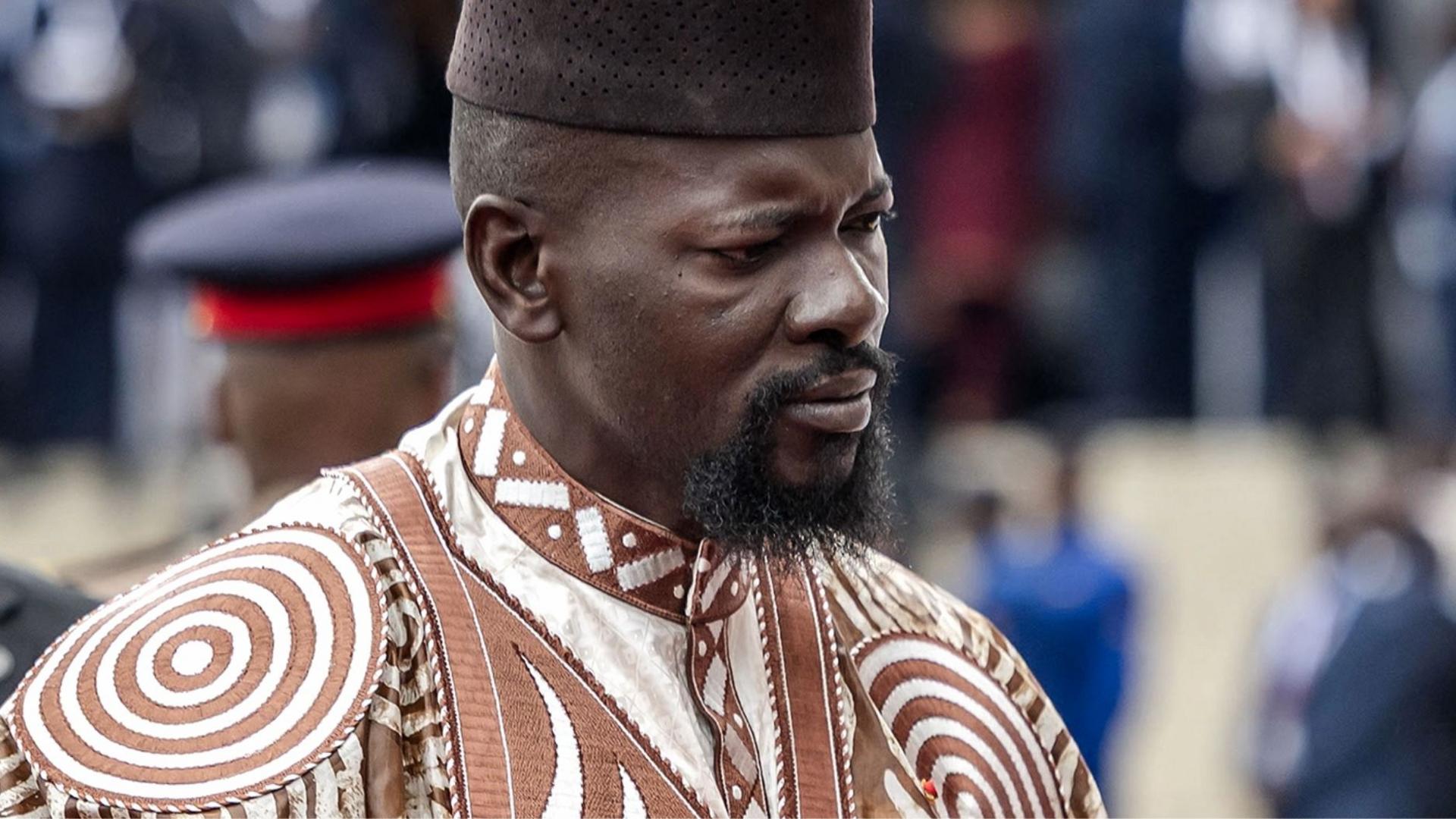
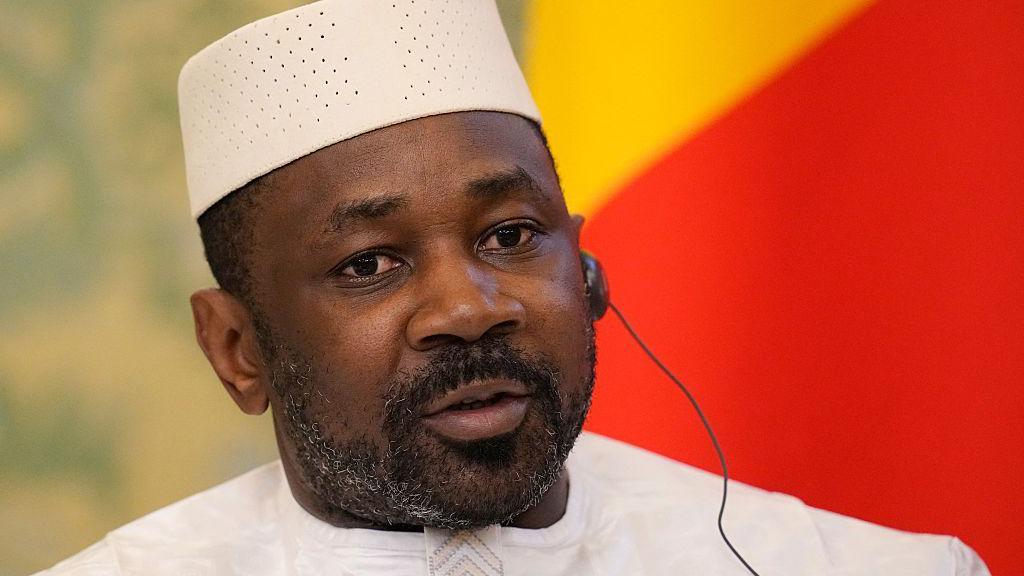
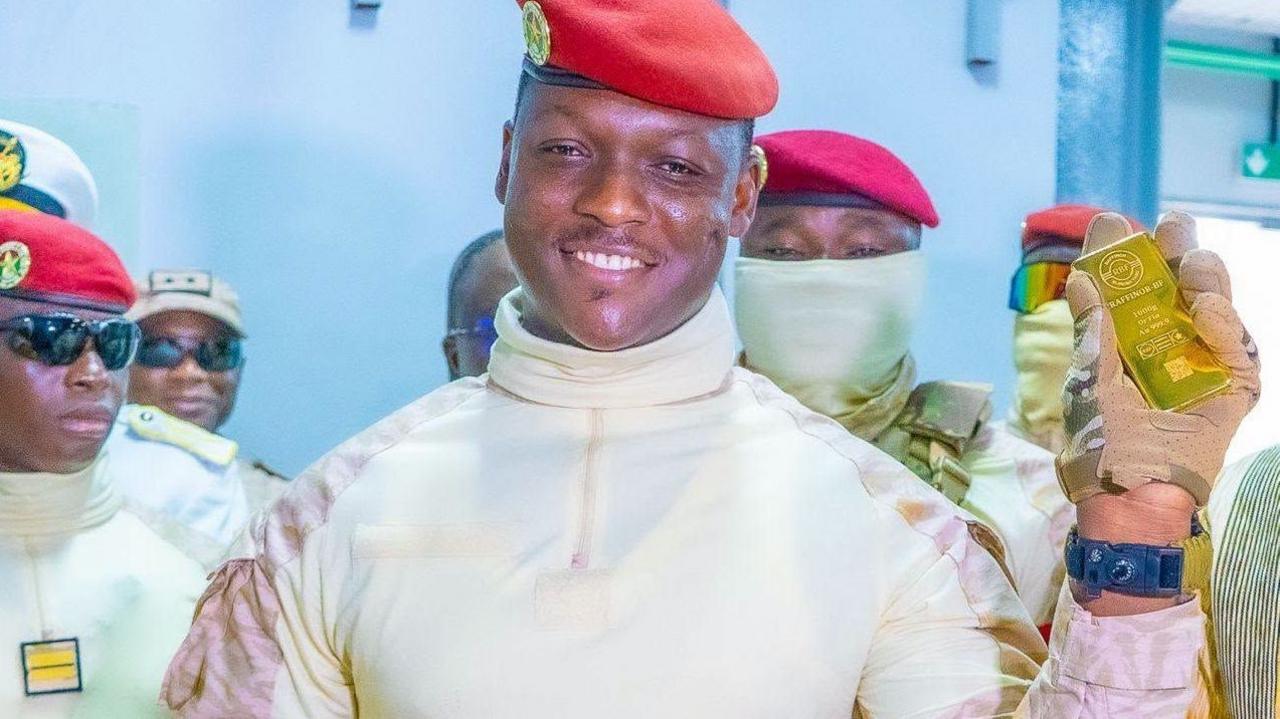
In Ouagadougou on Monday, Captain Ibrahim Traoré unveiled Burkina Faso’s first on‑site gold refinery, signalling a bold shift toward full control of the country’s mineral industry.

The state‐owned plant, called Raffinor‑BF, is part of a nationalist agenda that seeks to keep gold, a major export, from moving overseas for processing. The ministry said the refinery is presently capable of refining 164 tonnes of gold per year, a figure that exceeds the country’s current annual production; future expansion could allow it to refine up to 515 tonnes, with a view to serving other West African nations.
Chancellor Traoré explained that heightened domestic processing would deny illicit traders the chance to funnel gold through private buyers and the proceeds of which the government claims finance Islamist insurgents that have controlled large swaths of the country since 2022. The move also follows the government’s 2024 ban on the export of artisanal and semi‑mechanised gold, a regulation that has increased regulation but still faces enforcement challenges.
In the same vein, foreign mining firms now must give the state a 15% stake and participate in local workforce training. The refinery’s cost was reported at over 11 billion CFA francs (about US$19 million), financed through the national precious metals company Sonasp combined with private partners.
The announcement is timely, as global gold output hit a record 3,672 tonnes in 2025 and Burkina Faso’s production rose 17% year‑on‑year in the second quarter of 2026. Analysts note that the refinery could help the country keep a larger share of the value chain, but its long‑term success will hinge on robust security and effective regulation.
Regional peers are also moving in the same direction: Guinea, Ghana and Mali have introduced restrictions or begun building refining facilities, while Ivory Coast plans a new refinery for next year. Together these steps reflect a broader trend toward processing precious metals locally across West Africa.