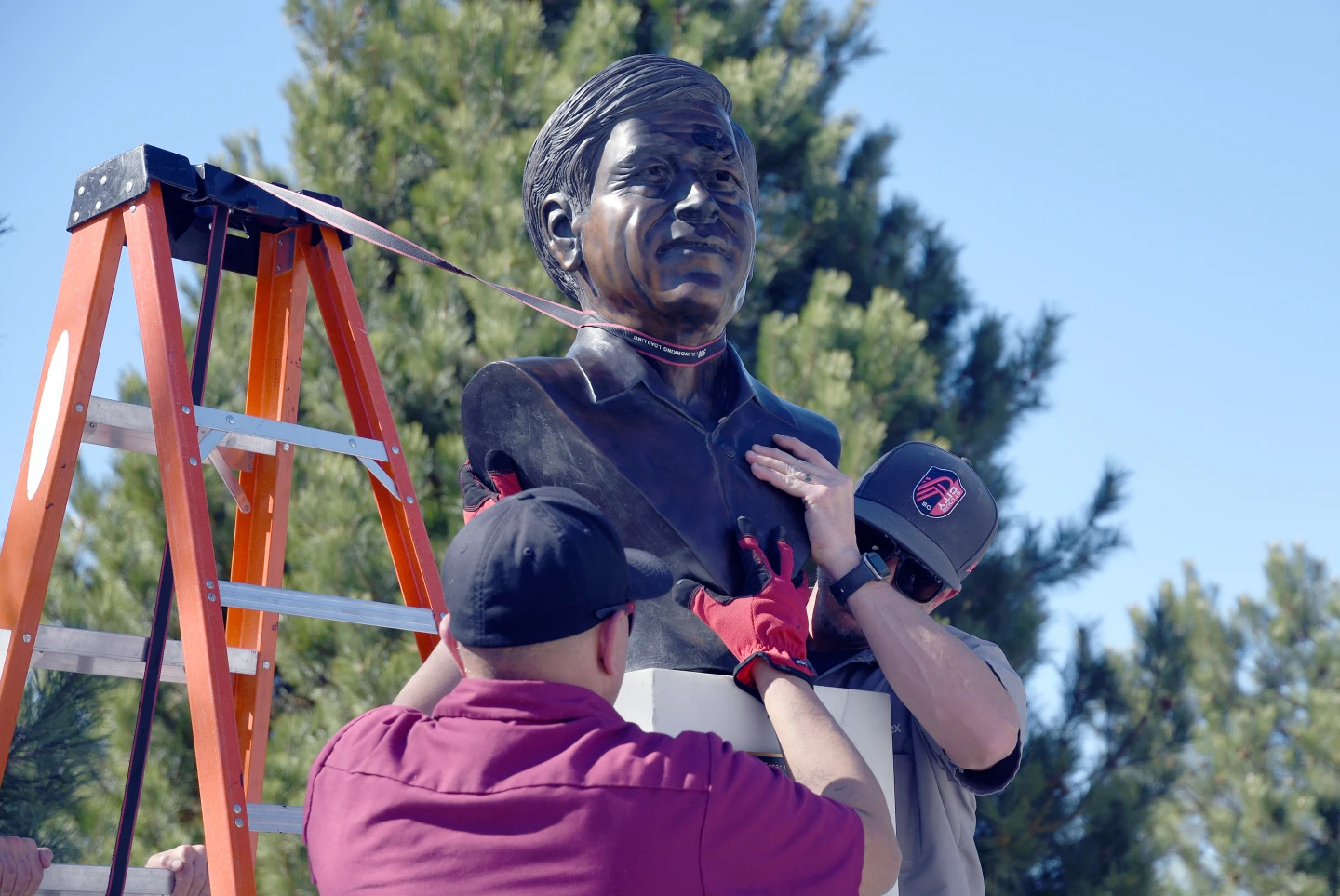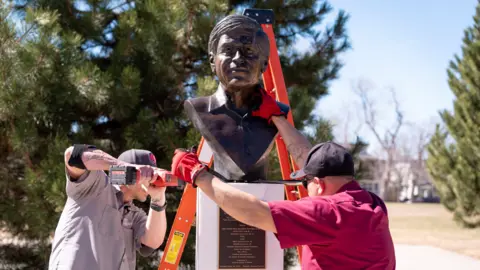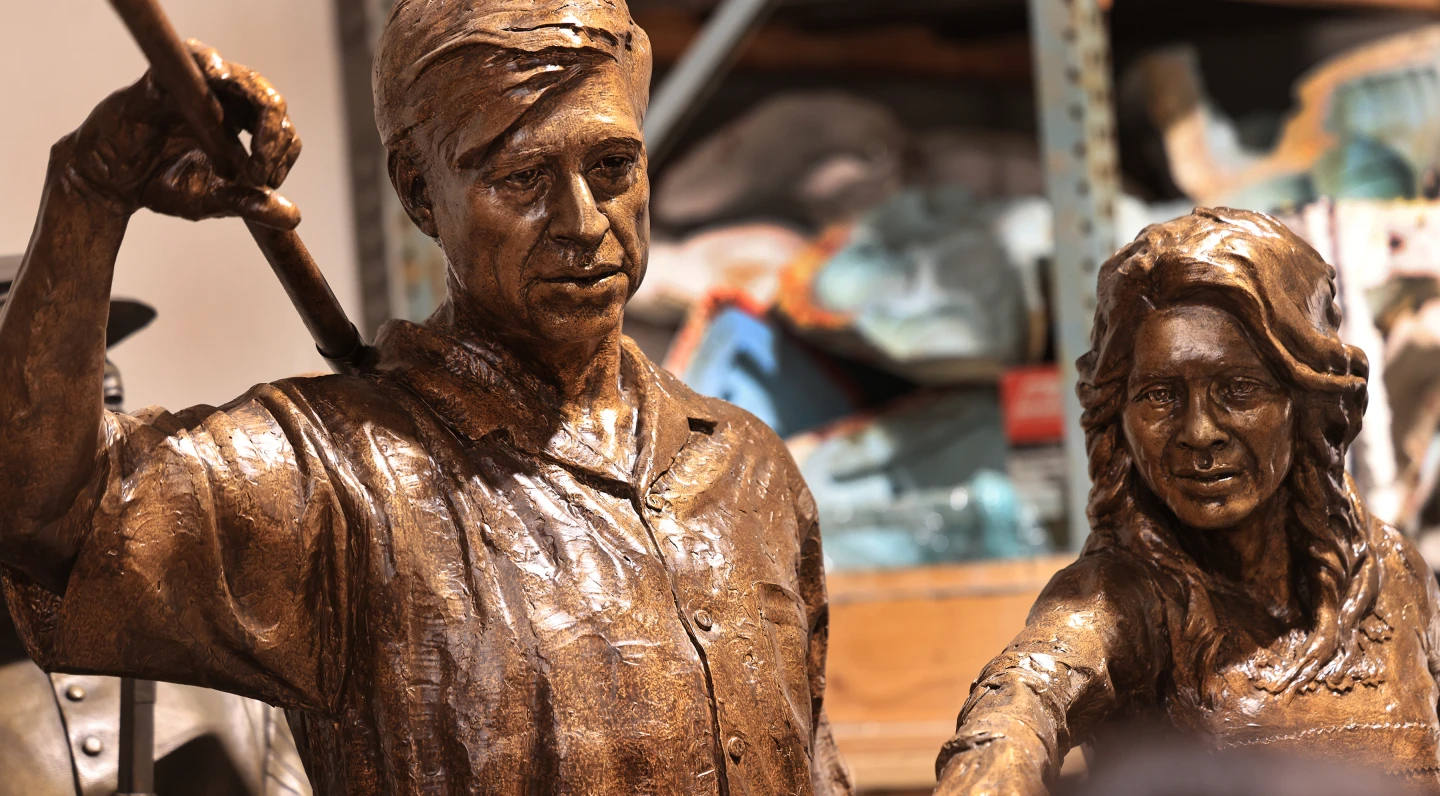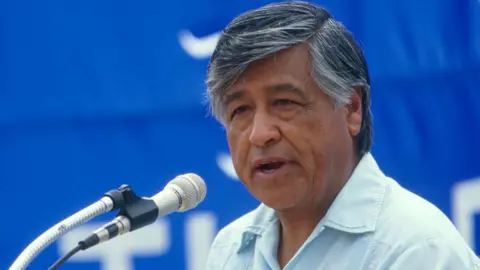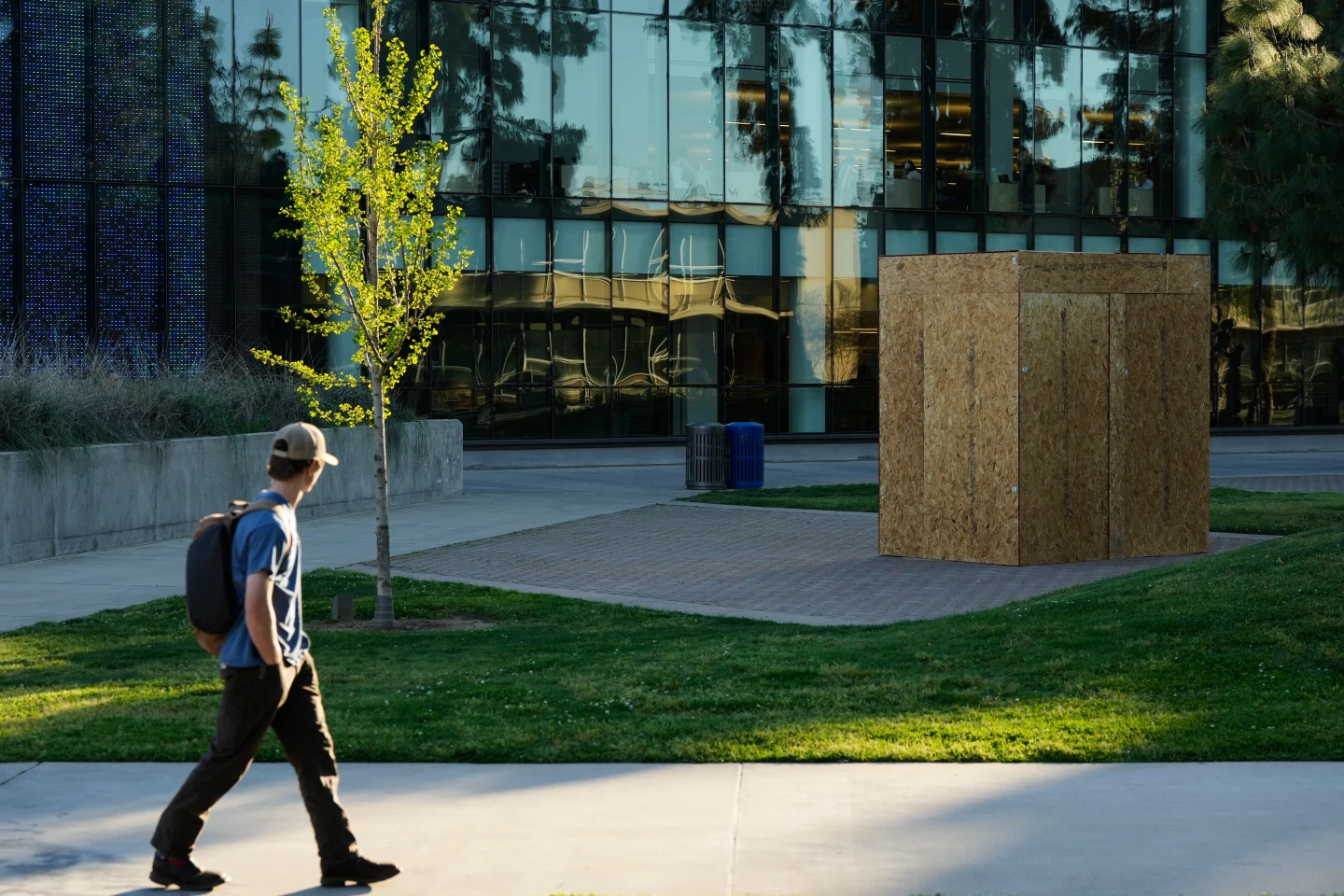
Within hours of explosive sexual abuse allegations against revered labor leader César Chavez, California State University, Fresno swiftly acted by covering his campus statue with black cloth and then boxing it up. Officials have announced plans for its permanent removal.
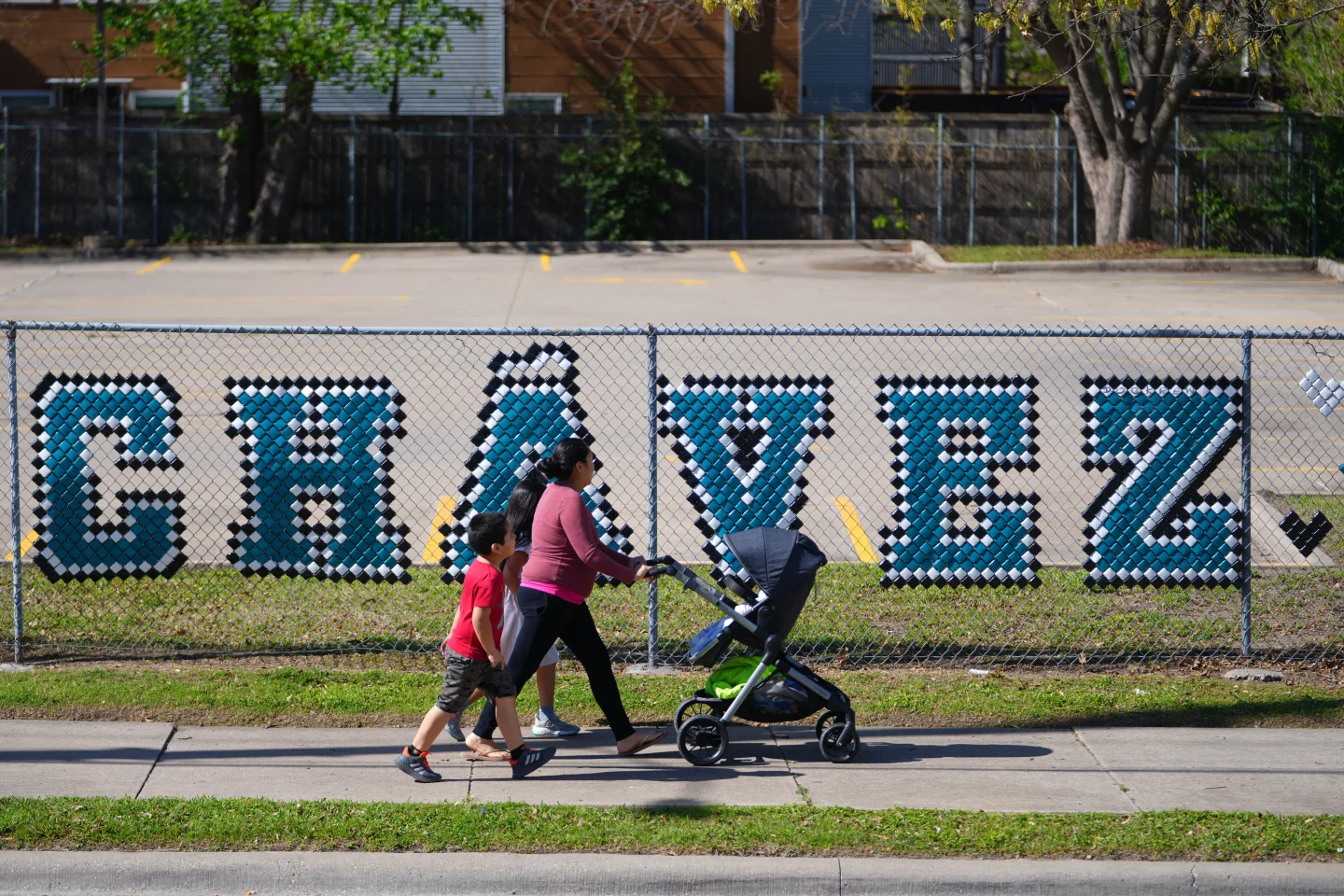
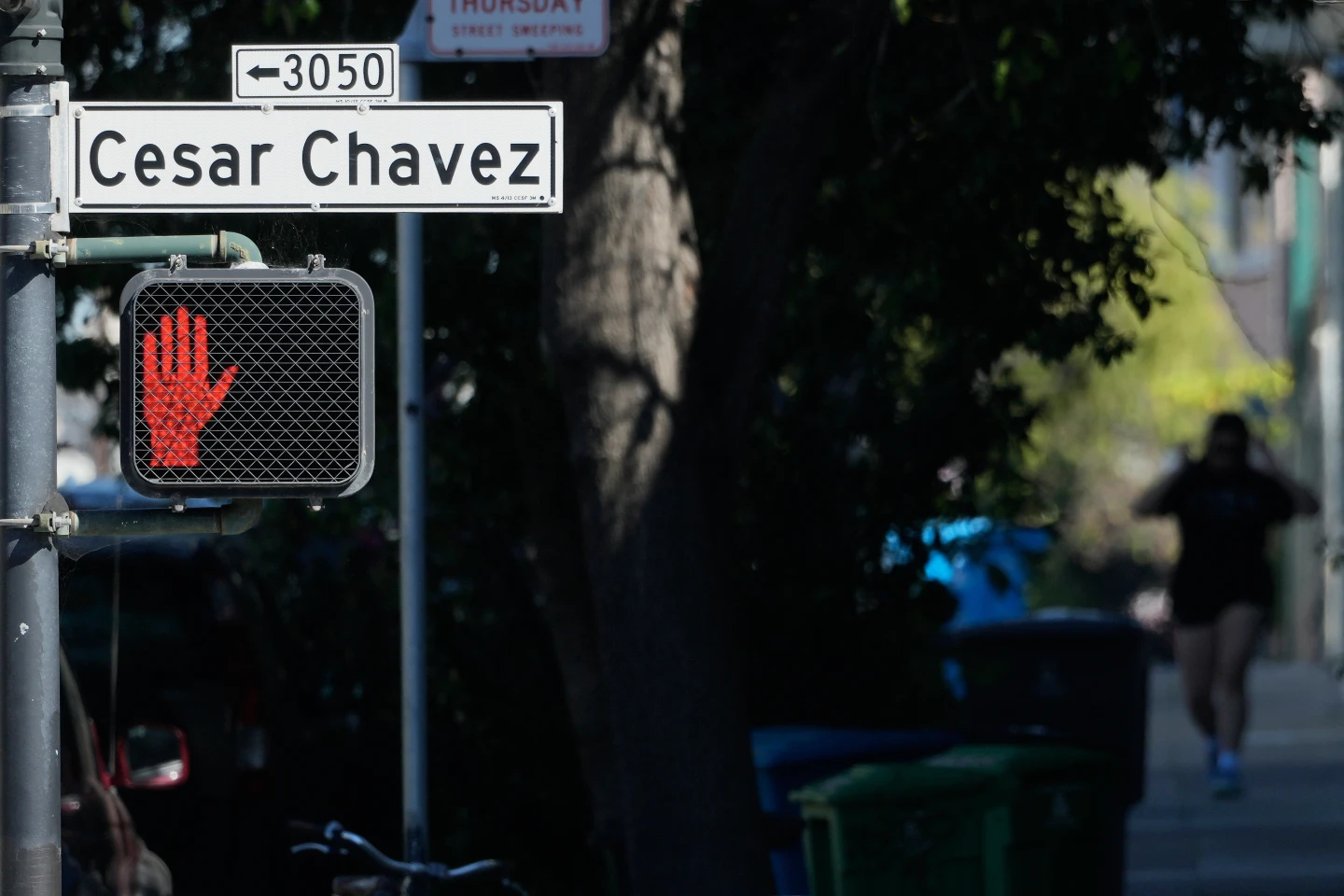
The statue is just one of numerous monuments, schools, and community centers nationwide that honor Chavez and the legacy of his labor movement. An extensive investigation by the Associated Press identified over 130 locations in at least 19 states named after him, including libraries, parks, and streets.
The gravity of the allegations has led several institutions and governments to initiate the process of removing his name from various sites. Not only buildings and street signs are under review; there are proposals to rename César Chavez Day, a federally recognized holiday currently celebrated on his birthday, March 31. Many celebrations planned for this month have already been canceled.
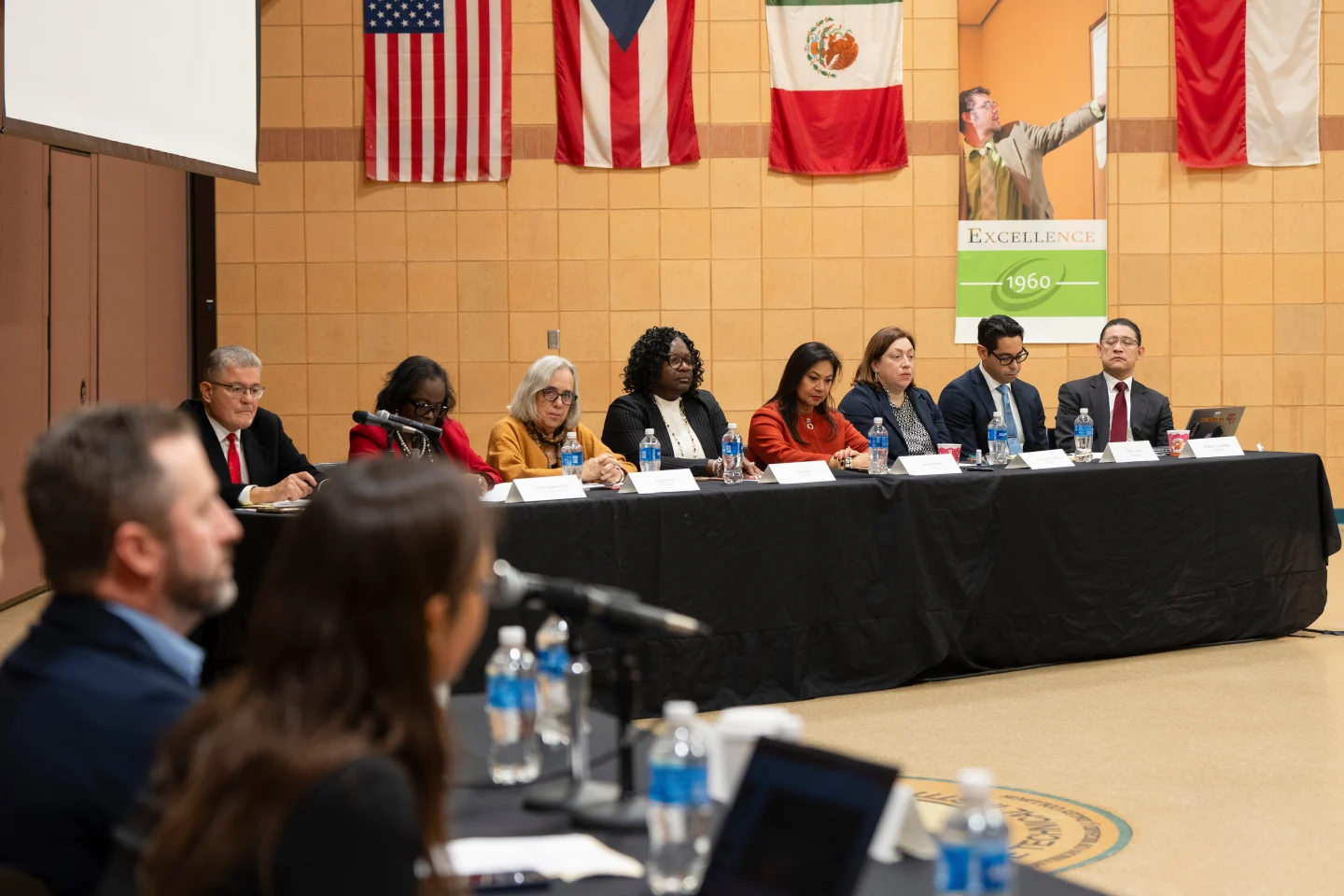
In response to the allegations, CSU Fresno President Saúl Jiménez-Sandoval stated, 'This calls for our full attention and moral reckoning by removing his statue from our campus,' although it remains uncertain how long this will take.
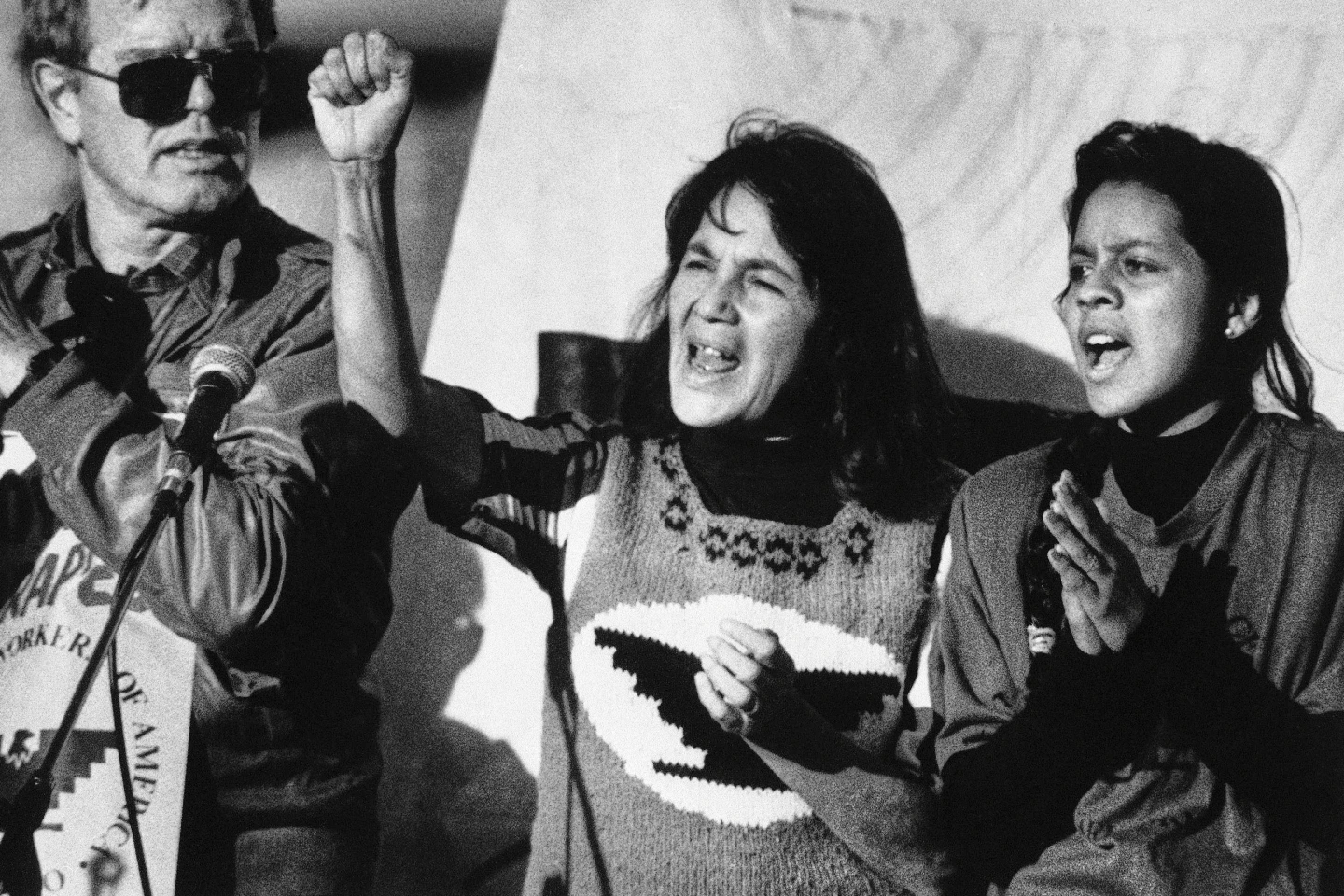
The future of the César E. Chavez National Monument in Keene, California, where much of the reported abuse occurred, is also in question. In the wake of the accusations, several cities are starting discussions about renaming Chavez’s namesake locations, with the student body at San Francisco State University expressing a desire to consider honoring Dolores Huerta instead.
As momentum builds for legislative change, Phoenix city council members are expected to vote next week regarding potential changes to the holiday and affected buildings. Mayor Kate Gallego has suggested that César Chavez Day be renamed to Farmworkers Day to better reflect the community's values and respect for survivors.
Denver has similarly moved swiftly to rename the holiday, rebranding it as Sí, Se Puede Day, a slogan that symbolizes the labor movement’s legacy. Denver Mayor Mike Johnston emphasized the need not to let one individual’s misdeeds detract from the community's ongoing commitment to justice.
The flow of allegations against Chavez has resulted in an earnest and emotional reckoning. As reports shed light on the abuses that took place, they bring into question the appropriateness of continuing to celebrate his legacy without addressing these serious concerns.
Current discussions on changing the names of schools, buildings, and even a U.S. Navy ship that commemorates Chavez's service indicate a broader societal movement towards accountability and recognition of survivors. Many community leaders and advocates insist that a more appropriate name for schools and buildings would honor Huerta, pointing to her significant contributions alongside Chavez in the fight for labor rights.
This moment reflects a growing cultural awareness and willingness to critically engage with historical figures, emphasizing the need to align community values with the legacies they choose to honor.