The Somali community in Minneapolis is experiencing a significant public health concern as measles vaccination rates have sharply fallen. In 2006, approximately 92% of Somali children aged two were vaccinated against measles, but current statistics indicate this rate has plummeted to around 24%. Public health officials and community leaders are sounding alarms about this decline amidst a backdrop of misinformation regarding vaccines and the impacts of recent immigration enforcement initiatives.
Prior to the federal enforcement actions, there was already a growing concern about vaccine hesitancy driven by unfounded fears linking vaccines to autism. Despite historical outbreaks of measles within the community, local health advocates are now observing that many Somali families are reluctant to seek medical advice, prioritizing immediate survival over vaccinations.
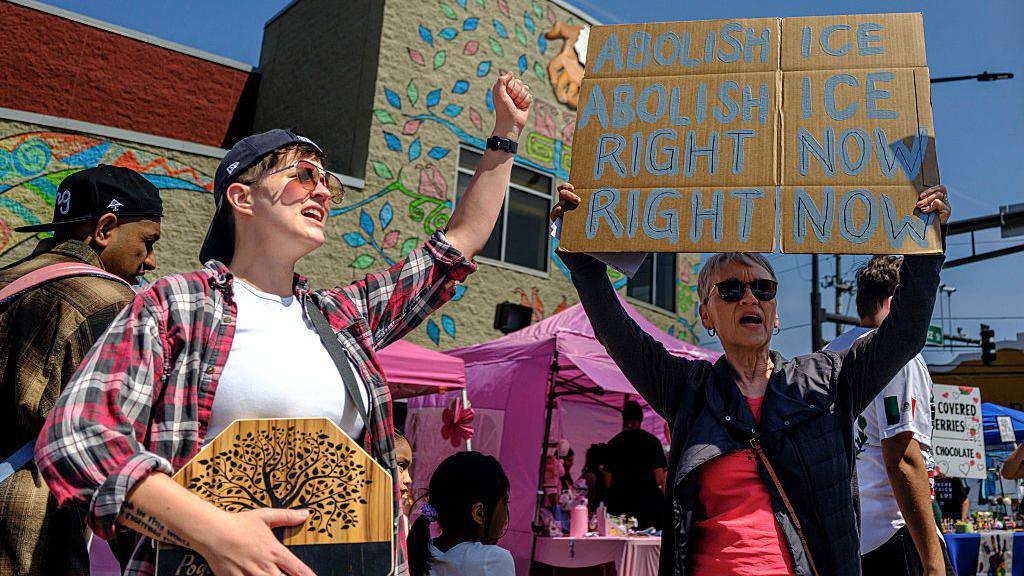
Immunization advocates have reported minor victories through mobile clinics and efforts to build vaccine confidence. However, the climate of fear instigated by immigration crackdowns has further complicated outreach, as many community members are hesitant to leave their homes for healthcare services.
Nurse practitioner Munira Maalimisaq emphasized, People are worried about survival... Vaccines are the last thing on people’s minds. But it is a big issue.” Recent statistics indicate the U.S. may lose its measles elimination status, highlighting the urgency of improved vaccination coverage.
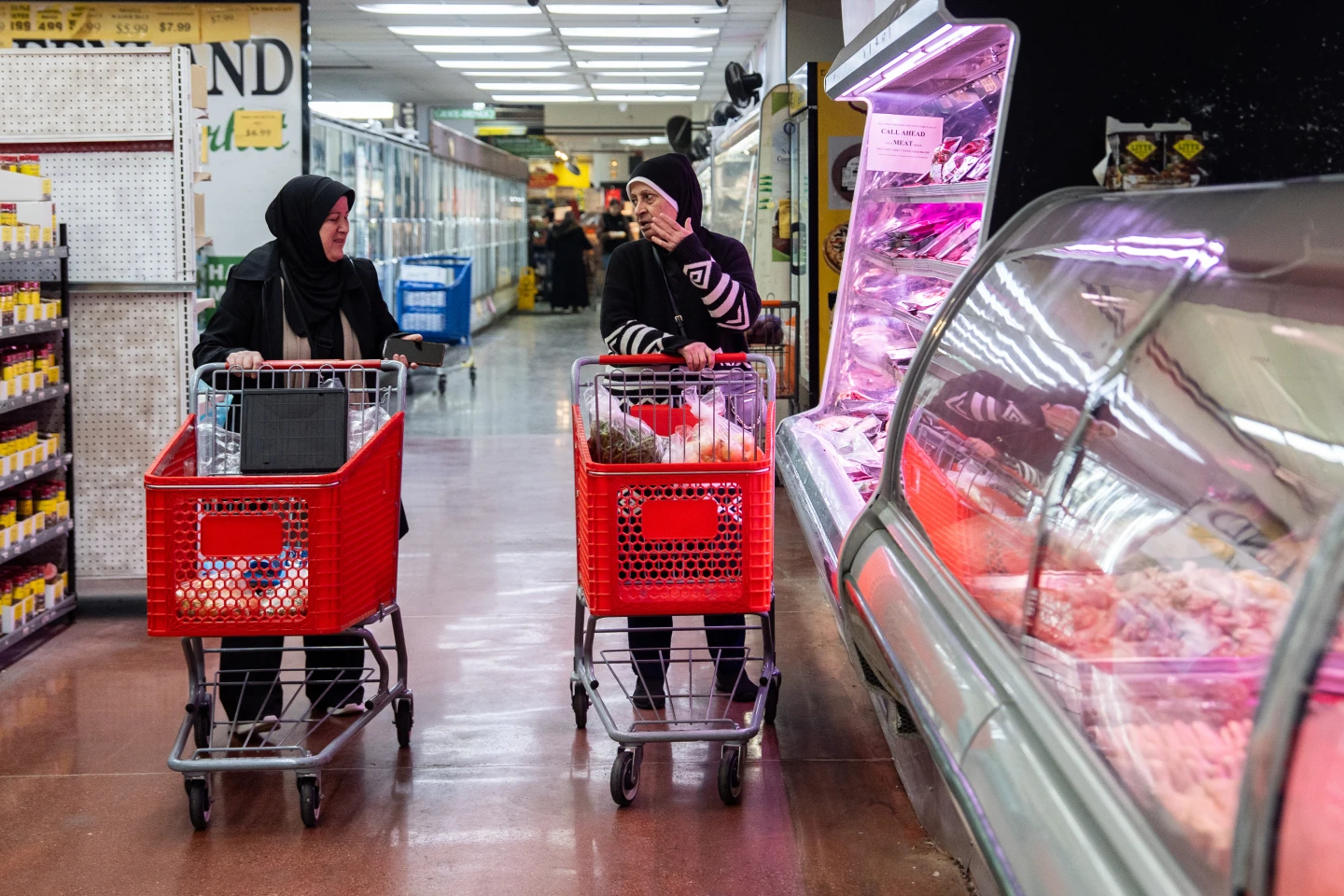
The shift in community dynamics has also seen discussions about vaccination being conducted less publicly, as daily survival concerns have taken precedence over health discussions. Parents are burdened with the immediate challenges of caring for children and securing necessities, further complicating communication about vaccines.
In addition to rising public health concerns, there is a growing sense of distrust within the community towards public health initiatives, stemming from previous interactions and a lack of consistent communication. Efforts by local health officials to reestablish trust through community champions have been hindered by the changing political landscape and federal policy actions.
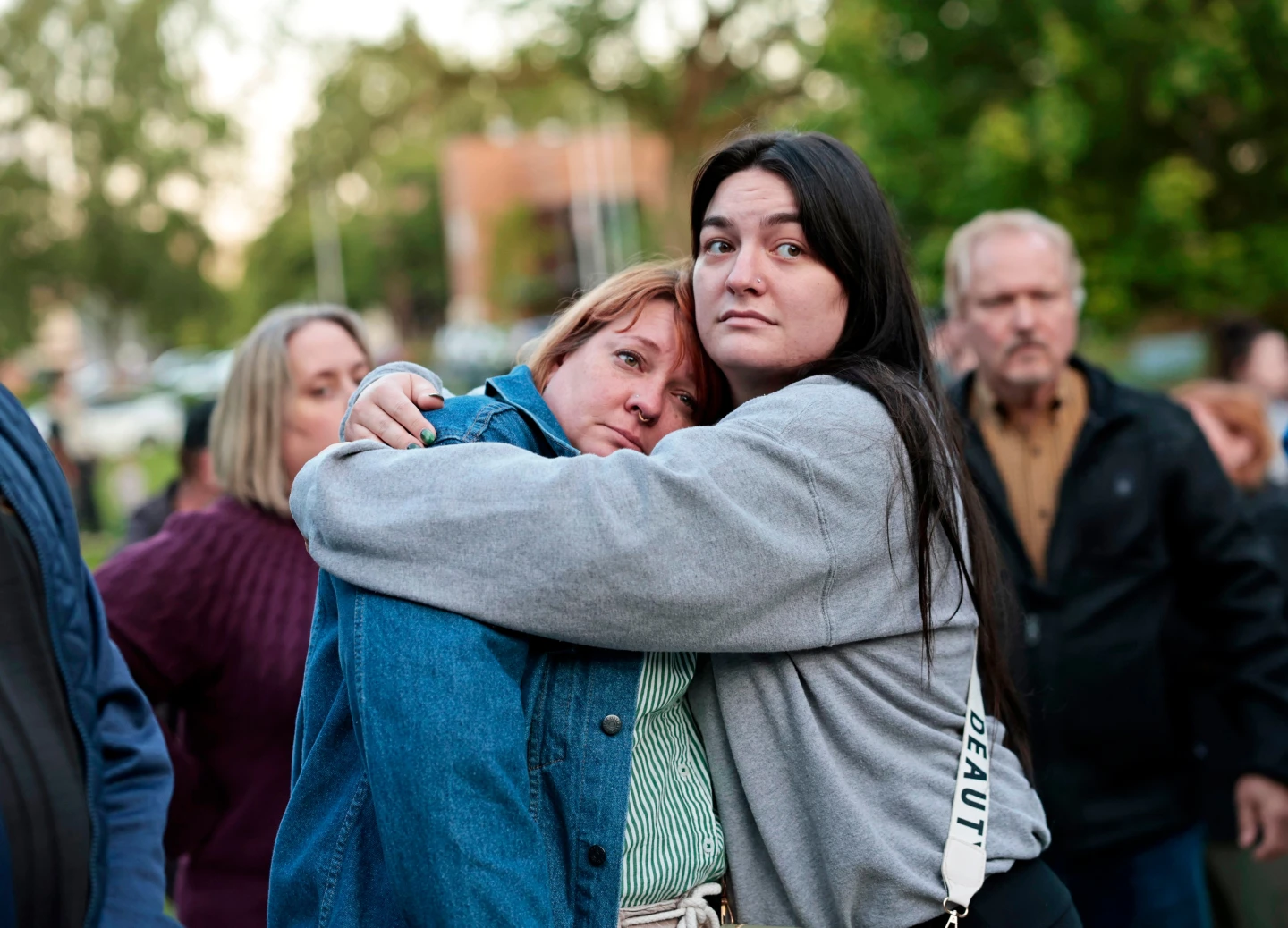
As community leaders work to navigate this multifaceted crisis, many families still want to protect their children from diseases like measles, emphasizing the need for continued dialogue and outreach that addresses the fears and misinformation circulating within the community.
The overarching message is clear: amidst fears and societal pressures, an effective approach to remind parents about the importance and safety of vaccinations remains crucial for the health of the community.