In brief
In the wake of tragic mass shootings, Canada has implemented a sweeping ban on assault-style firearms and a buyback program. However, the initiative has faced significant challenges, including a lack of participation from some provinces, confusion among gun owners about the specifics of the ban, and criticisms about its efficacy from various stakeholders. Activists and experts are raising concerns that the current measures may not significantly impact public safety without more comprehensive regulations.
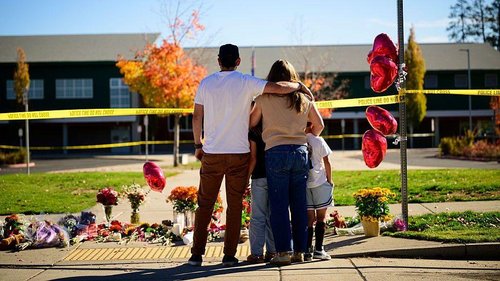
Heidi Rathjen has been calling for a ban on assault-style rifles since 1989, when a gunman opened fire on her classmates at Montreal's École Polytechnique.
The shooting, in which 14 women were killed and more than a dozen injured, was a turning point for Canada, changing how the country viewed gun violence.
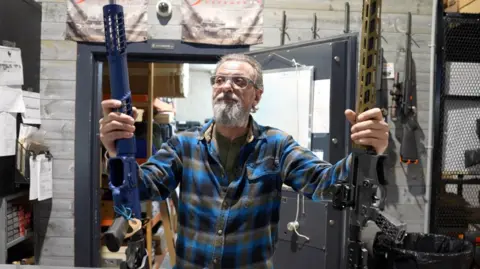
More than two decades later, after another deadly mass shooting in 2020, Ottawa did roll out a ban on some 2,500 models of such assault-style weapons.
But a scheme designed to buy back these now-prohibited guns from their owners has had a bumpy rollout and looks likely to miss the mark.
Many legal gun owners are distrustful of the process, two provinces have refused to take part, and even gun control activists like Rathjen say the federal efforts, though a win for public safety, are flawed because the ban does not apply widely enough.
Without a comprehensive ban on assault weapons, there is no ban… and the money will be wasted, said Rathjen, a spokesperson for the advocacy group PolySeSouvient.
Even Canada's Minister of Public Safety, Gary Anandasangaree, was caught criticizing his government's plan in a leaked audio clip; he expressed doubts about the program's effectiveness given that most gun crimes in Canada are committed with illegal weapons.
The discontent is intensified by a contrast with successful buyback schemes seen in Australia and New Zealand where swift and broad measures saw significant results.
Canada’s program, however, has been perceived as fragmented and less coordinated.
The current Canadian plan aims to reimburse gun owners for their turned-in weapons, allocating over C$215 million ($155 million). Yet it has met with skepticism; only 67,000 firearms were declared by over 37,000 Canadians, far from the expected total of 136,000 guns.
Rathjen pointed out issues with the existing legislation that allows certain firearms to remain legal while potentially dangerous models are still out on the streets.
Provincial refusals to cooperate add a layer of complexity to the initiative. Alberta and Saskatchewan are not enforcing the program, claiming it does not adequately benefit public safety and protect lawful gun users.
This dissonance exists even as polling indicates that a majority of Canadians support stricter gun laws and bans on military-style weapons.
As court challenges loom over the legality of the ban, experts emphasize the need for a broader, more comprehensive approach to effectively reduce gun violence in Canada.
}