Ceasefire Between Israel and Hezbollah Confirmed Amid Ongoing Violence in Southern Lebanon
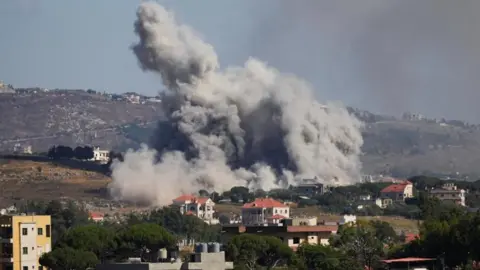
U.S. officials announced that Israel and Hezbollah had reached a ceasefire agreement, following a surge of air strikes over southern Lebanon that Lebanese officials say left 47 people dead. The truce came after Hezbollah claimed it destroyed three Israeli tanks and killed four Israeli soldiers—a claim Israel denied.
The ceasefire was confirmed by a U.S. diplomat amid concerns that continued clashes would compromise a separate memorandum of understanding (MoU) intended to end U.S.–Iran tensions. The MoU had already specified a halt to hostilities in Lebanon, but the disagreement between Israeli and Lebanese forces has called the enforcement of that provision into question.
Israeli military officials said the forces would "continue to remove immediate threats," while Hezbollah’s secretary‑general, Sheikh Naim Qassem, declared the "project to eliminate Hezbollah has failed" and vowed withdrawal of Israeli forces from all Lebanese territory. Those statements illustrate differing interpretations of what the ceasefire entails.
During the period after the truce’s declaration, responders in the Nabatieh district reported at least 12 air strikes since the ceasefire was announced at 16:00 local time. These incidents have fueled doubts among displaced residents and local officials, many of whom have not seen past ceasefires held in the past.
The rhetoric surrounding the ceasefire has been sharp. Israel’s far‑right National Security Minister Itamar Ben Gvir told the press that Lebanon would "burn" in response to Israeli casualties and that each Israeli mother’s tear should be matched by a thousand Lebanese mothers. Iranian Foreign Minister Abbas Araghchi, meanwhile, has accused Israel of pursuing “permanent war” and linked any breach of the truce to U.S. responsibility.
The conflict’s toll has deepened: Lebanon’s health ministry reports more than 3,900 deaths and over 11,600 injuries since the outbreak, with about a million people displaced and numerous towns in the south razed. The evolving truce, while offering a temporary lull, remains contested by both parties and the broader regional dynamics that continue to shape the area’s security landscape.
As international observers monitor the situation, the ongoing exchanges highlight the fragile nature of ceasefires in regions caught between national interests, regional power struggles, and humanitarian crises.