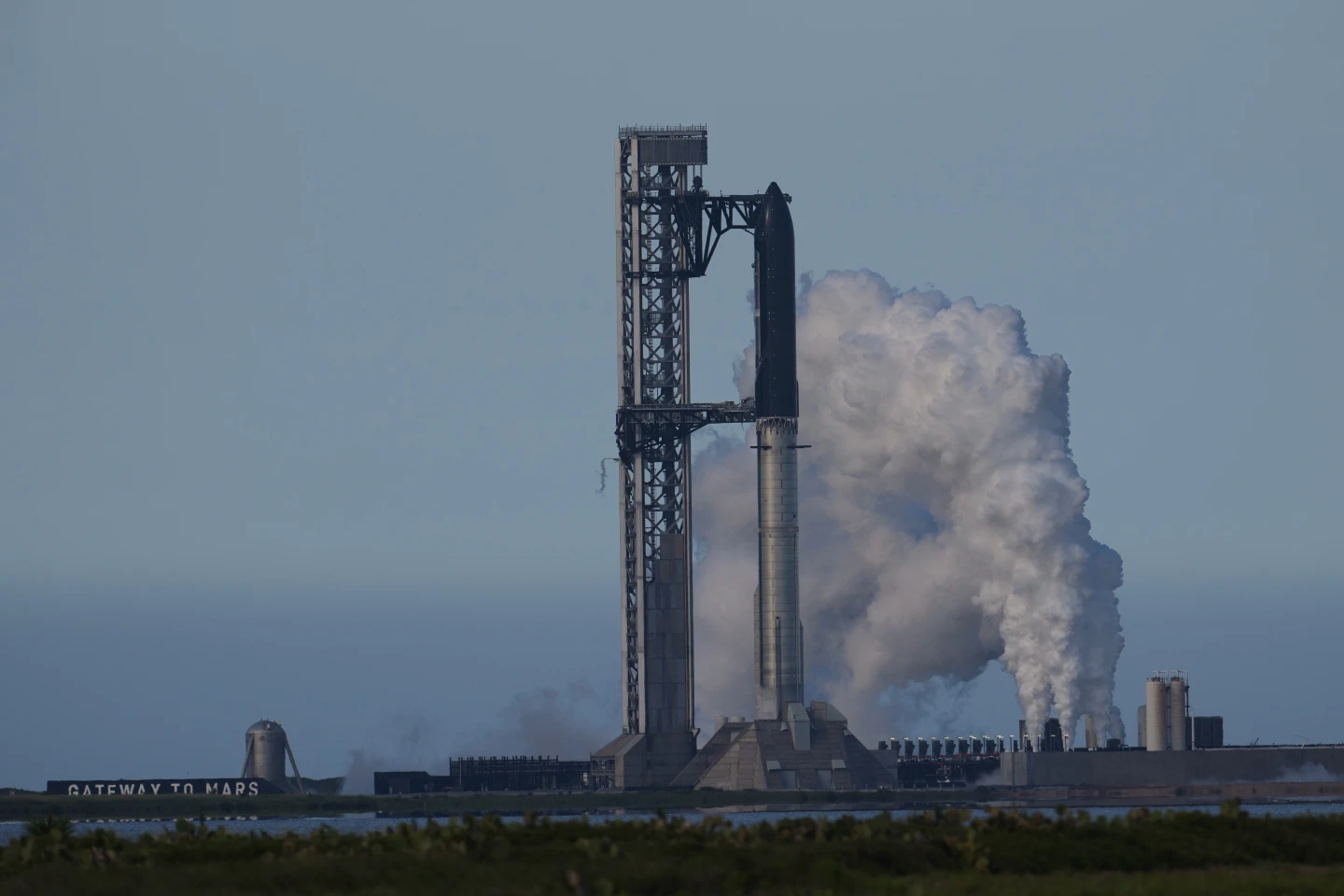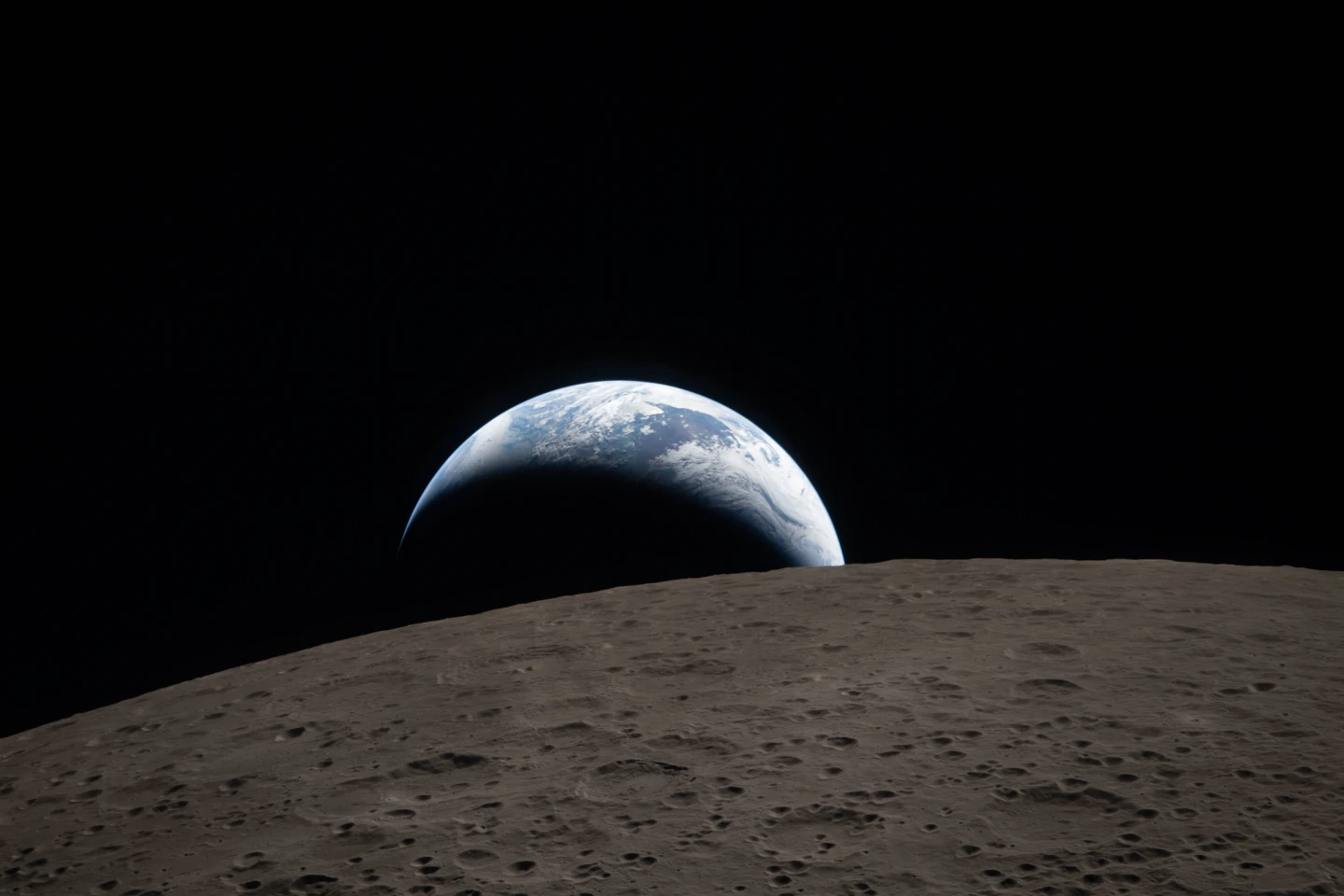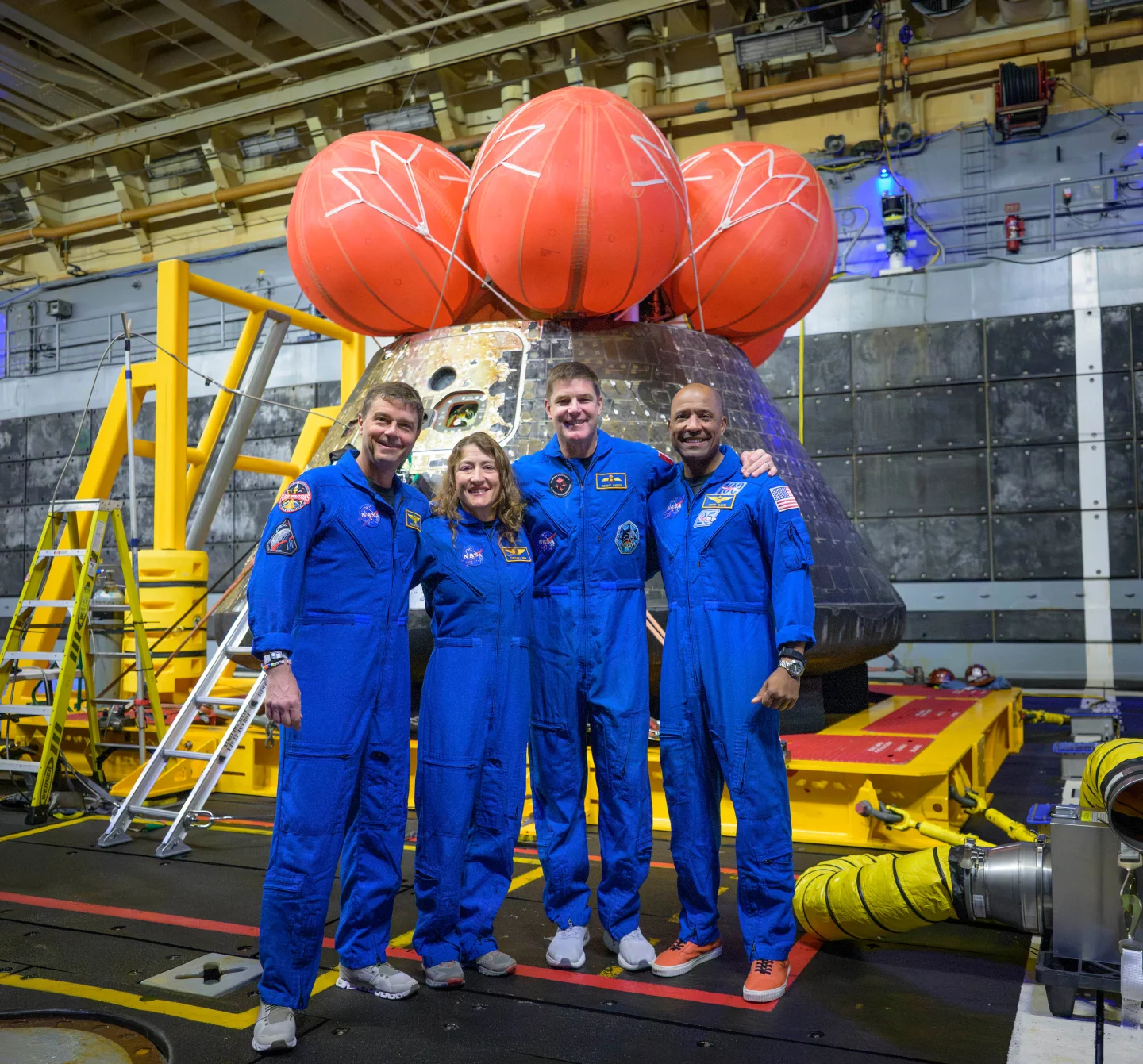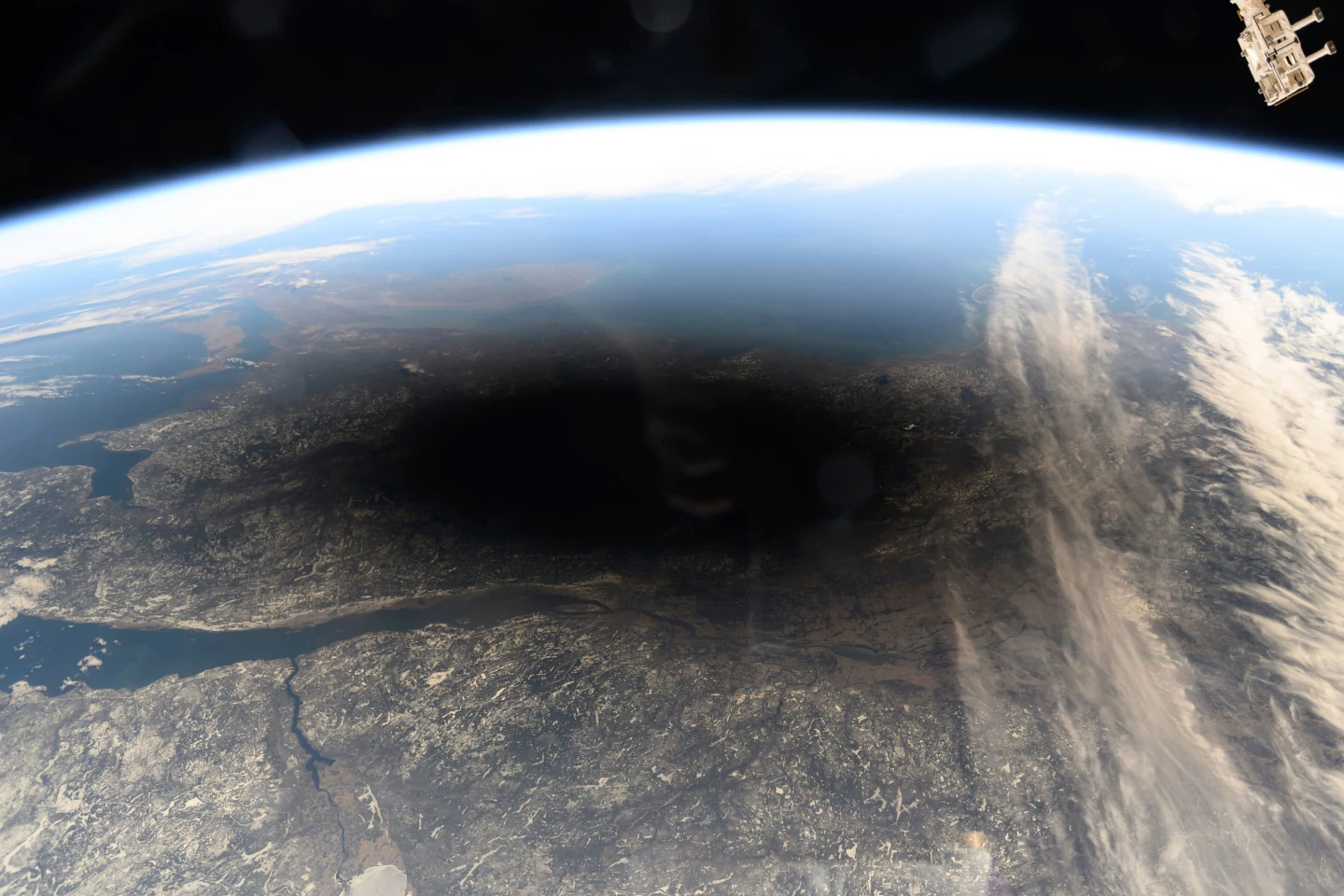
Cape Canaveral, Fla. — The universe is set to dazzle in 2026 with a host of celestial events that will captivate both scientists and stargazers alike. At the forefront is the moon, which will host the first astronauts in over five decades and welcome a series of robotic landers, including Jeff Bezos’ ambitious Blue Moon. Noteworthy supermoons are scheduled for January 3 and May, while the sun will capture attention with a ring-of-fire eclipse in February and a total solar eclipse in August.
The upcoming total solar eclipse, starting in the Arctic and sweeping across Greenland, Iceland, and Spain, will offer viewers a remarkable experience as the moon obscures the sun for over two minutes. Meanwhile, a lunar eclipse and several planetary alignments will also excite enthusiasts throughout the year.
In addition to human exploration, various robotic landings are planned, with China sending a rover to investigate lunar ice deposits and multiple companies targeting lunar exploration. Notably, NASA’s mission will involve a quick flyby of the moon in a 10-day mission, with the crew observing areas previously uncharted by the Apollo astronauts.
For astronomy lovers, the year further promises the captivating sight of supermoons, with three occurrences expected to brighten the night sky. Additionally, the dynamic solar activity is anticipated to lead to spectacular auroras,
with scientists keenly observing solar phenomena.
Overall, 2026 is poised to be an exhilarating year for space exploration and celestial happenings, marking significant advancements and discoveries on the horizon.
The upcoming total solar eclipse, starting in the Arctic and sweeping across Greenland, Iceland, and Spain, will offer viewers a remarkable experience as the moon obscures the sun for over two minutes. Meanwhile, a lunar eclipse and several planetary alignments will also excite enthusiasts throughout the year.
In addition to human exploration, various robotic landings are planned, with China sending a rover to investigate lunar ice deposits and multiple companies targeting lunar exploration. Notably, NASA’s mission will involve a quick flyby of the moon in a 10-day mission, with the crew observing areas previously uncharted by the Apollo astronauts.
For astronomy lovers, the year further promises the captivating sight of supermoons, with three occurrences expected to brighten the night sky. Additionally, the dynamic solar activity is anticipated to lead to spectacular auroras,
with scientists keenly observing solar phenomena.
Overall, 2026 is poised to be an exhilarating year for space exploration and celestial happenings, marking significant advancements and discoveries on the horizon.