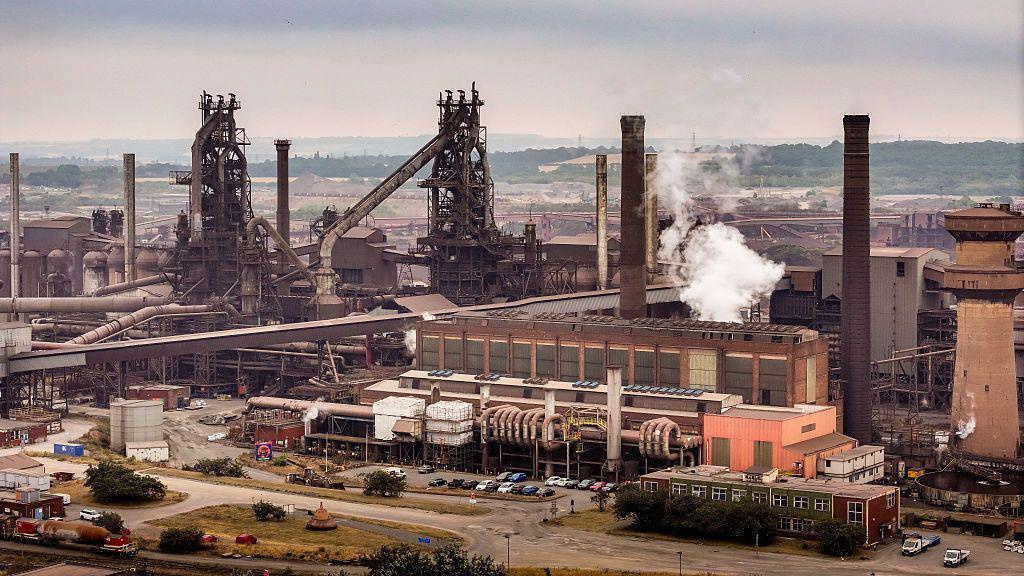
Background: In July 2026, the United Kingdom’s government announced that it had taken control of British Steel’s Scunthorpe operations into public ownership. The move followed a Parliament vote that enabled the government to nationalise the company when it met a public‑interest test, citing the need to safeguard employment and national‑security assets.
China’s Reaction: China’s Commerce Ministry publicly condemned the decision, stating that it “firmly opposes and is strongly dissatisfied” with the UK’s action. The ministry said the nationalisation “seriously infringed upon Jingye’s legitimate rights and interests” and “severely undermined confidence of Chinese companies investing in the UK.” Beijing urged London to faithfully fulfil obligations under the 1986 China–UK Bilateral Investment Treaty and to monitor the situation closely.
UK Rationale: The UK government argued that nationalising British Steel was necessary to protect jobs and keep a critical industrial capability alive. A spokesperson said it was impossible to reach a value‑representing agreement with Jingye that would benefit taxpayers, explaining that the loss‑making steelworks was “costing the government about £1.3m a day.” A minister announced that an independent valuer would assess compensation in the autumn, acknowledging that the operational cost may be nil.
Economic Impact: British Steel employs roughly 2,700 staff at Scunthorpe and sustains thousands more in its supply chain. The UK imports a large share of its steel, and the Scunthorpe facility produces specialty alloys that are currently not produced elsewhere in the country—products essential for Network Rail and the construction sector. The nationalisation preserves domestic production until alternative sources, such as electric‑arc furnaces using recycled scrap, become viable.
Strategic and Diplomatic Consequences: The decision arrives as Andy Burnham is set to become prime minister, placing the issue at the centre of a forthcoming cabinet. Britain’s new leadership must balance the benefits of maintaining a stake in a major industrial asset against the potential diplomatic fallout with the world’s second‑largest economy. The ongoing debate hinges on the UK’s long‑term steel strategy, trade policy with China, and adherence to the Bilateral Investment Treaty.
Conclusion: While British Steel’s nationalisation aims to safeguard national capability and jobs, it has created significant diplomatic friction with China. The debate highlights the complex interplay between industrial policy, international investment law, and strategic trade relations that will shape the UK’s industrial future and its global partnershi