In brief
BBC journalists observed an Israeli military presence in southern Lebanon after the ceasefire with Hezbollah, noting fortified bases, continued demolitions and drone surveillance. Lebanese villages have reported destruction of homes and infrastructure, prompting claims by human‑rights groups that the actions amount to war crimes. UNIFIL, led by Finnish troops, carried out a convoy to escort civilians in Christian villages, facing Israeli deconfliction mechanisms. Israeli officials assert the security zone protects its communities, while others argue the occupation denies displaced residents a return to their homes.
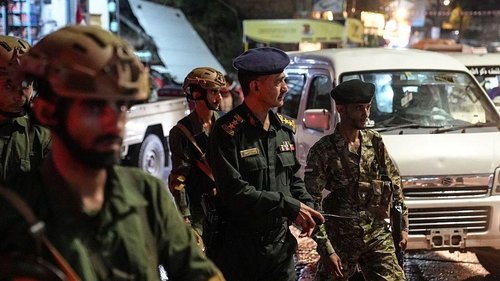
BBC journalists travelled along the Mediterranean‑side highway in southern Lebanon, the same strip that borders Israel, to document the aftermath of an ongoing ceasefire with Hezbollah. The landscape looks desolate; abandoned crops lie next to rubble from Israeli air strikes, and the only visible sign of a Lebanese state is a white‑and‑red checkpoint at Naqoura.
At that checkpoint, soldiers sit behind concrete walls, but the road beyond is empty. A kilometre south the scene changes: Israeli flags are posted along the wall, marking territory that Israel now controls. According to Israeli officials, the area is a “security zone” intended to safeguard northern Israel from Hezbollah rockets and drones.
The BBC team joined a UNIFIL convoy led by Finnish troops that escorted Lebanese civilians from Christian villages to the UN headquarters, the only way to enter the occupied strip. The convoy moved along the wall that separates the countries; Israeli soldiers were visible in the distance, and the route is now lined with service roads built by Israel after the invasion.
In recent weeks, Israeli Defence Minister Israel Katz said the military should prepare for a long‑term presence in the area. He framed the expansion as a response to the 2024 ceasefire and the need to prevent further Hezbollah attacks.

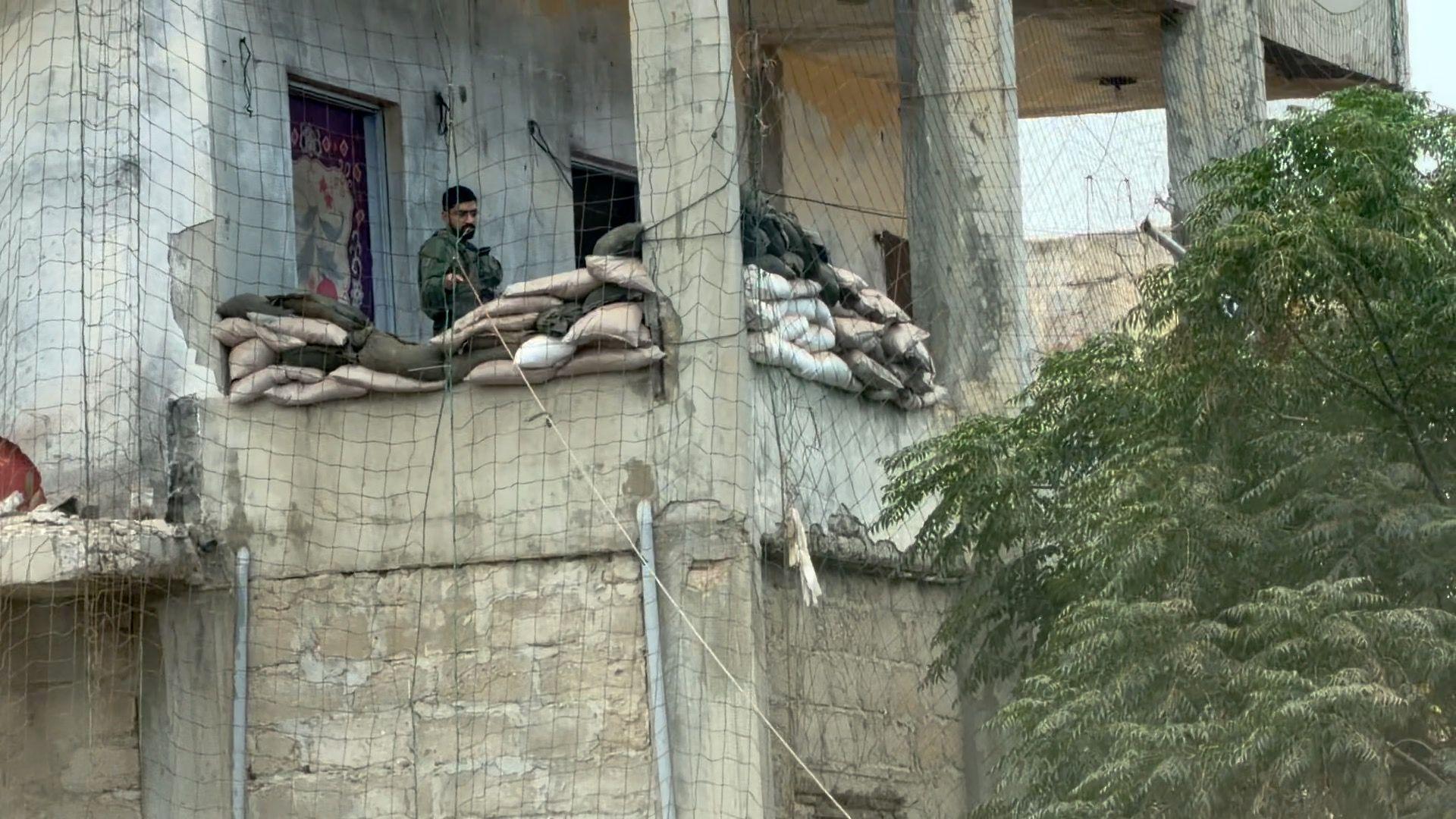
UNIFIL reports that Israel has established a total of nine bases in the occupied zones, mainly in the pilot zones set up for disarmament talks. The ministry points to construction of protective infrastructure, netting over buildings to shield them from Hezbollah explosive drones, and active demolition of civilian structures.

Human‑rights organisations claim the demolitions and air strikes are deliberate destruction of civilian infrastructure and could be war crimes. Lebanese intelligence officials report more than 5,000 violations by Israel, including rolls of soldiers into Lebanese territory beyond the “Yellow Line.”

While Israeli officials maintain that security measures comply with international law, Lebanese troops refuse to confront Hezbollah, whom they label a terrorist organisation. The front office in Lebanon demands a full Israeli withdrawal before discussing disarmament, but Israeli proposals insist on pilot zones where Lebanese and UNIFIL troops would monitor Hezbollah arms.
The pace of negotiations has stalled, and officials say a significant shift in Israeli policy is unlikely before the upcoming national elections. Many analysts compare the situation to Gaza, citing entrenchment of occupation and lack of a clear path to return for displaced residents.