China has called the US naval blockade of Iranian ports irresponsible and dangerous. The condemnation from Beijing comes as the US enforcement of the blockade aims to enforce its foreign policy which includes pressuring Iran about its nuclear program.
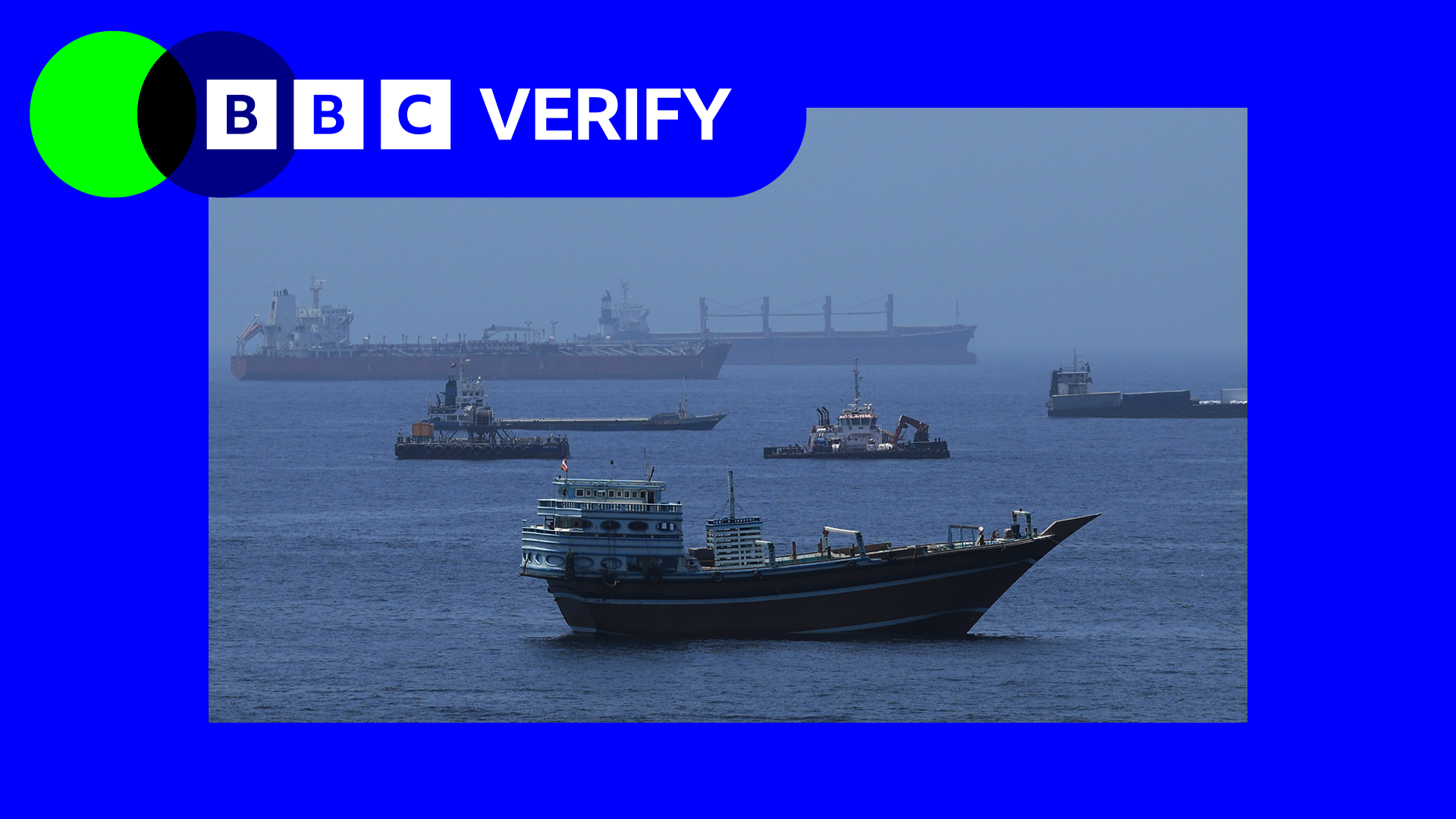
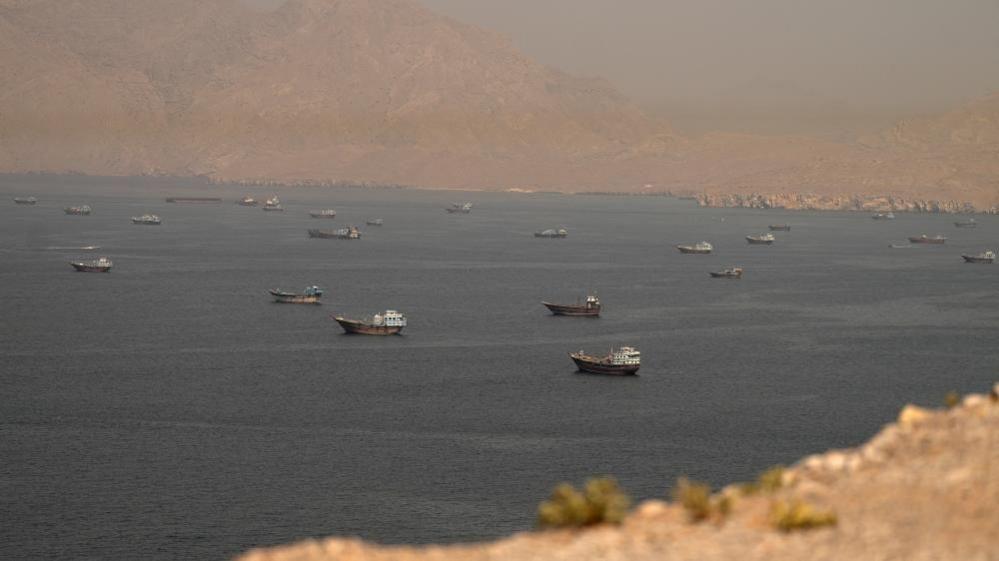
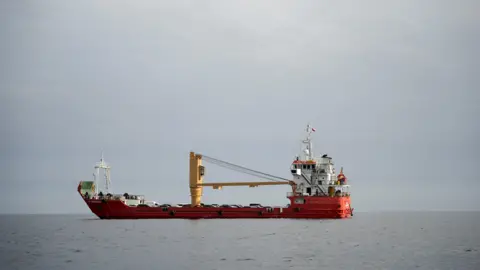
The Chinese Foreign Ministry's spokesperson stated that the blockade undermines the already fragile ceasefire in the region and puts the safety of vessels operating in the Strait of Hormuz at risk. This critical waterway has been of heightened tension, following the closure enacted by Iran in response to US-Israeli military actions.
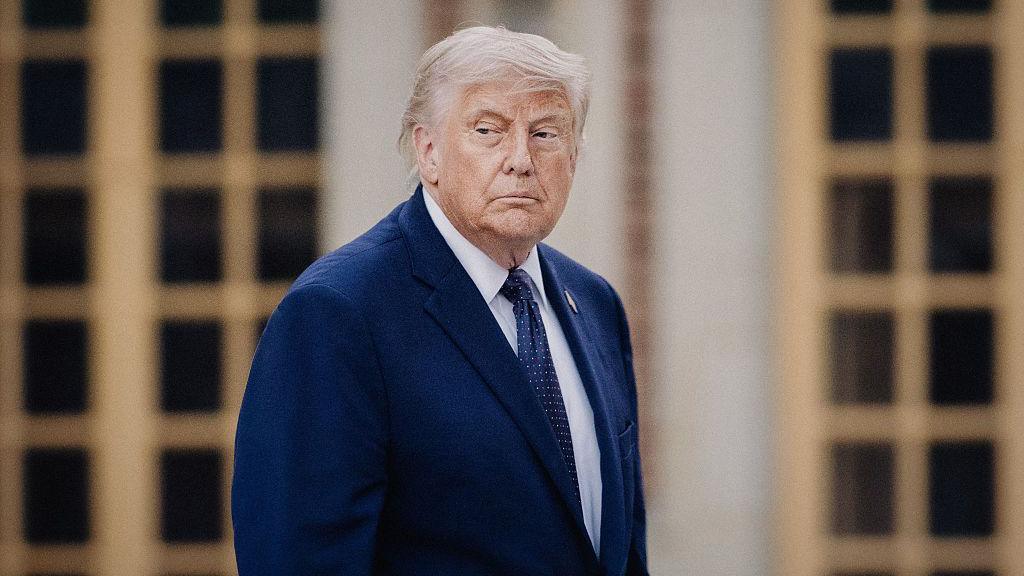
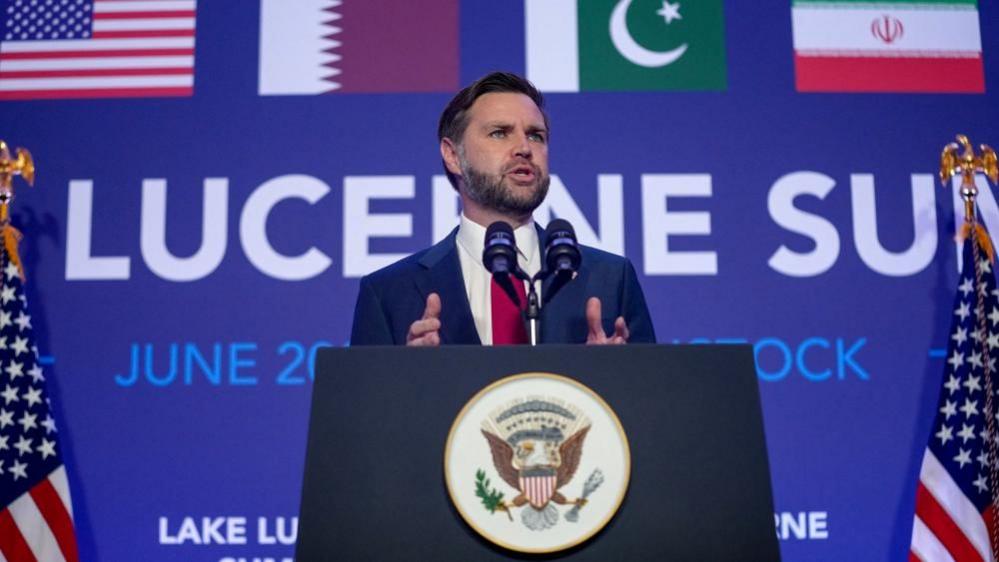
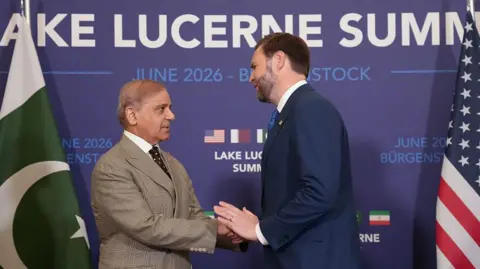
The blockade was initiated the day after US-Iran peace talks collapsed in Pakistan, with President Donald Trump justifying it as a method to compel Iran to abandon its nuclear ambitions.
Additionally, it is believed that the blockade may also be aimed at exerting pressure on China, the largest consumer of Iranian oil, thereby attempting to influence their diplomatic stance towards Tehran.
In conjunction with this blockade, Iran's Ambassador to the United Nations denounced the action as a serious breach of national sovereignty. The implications of the blockade could significantly impact China's oil supply, potentially stunting its economy.
Furthermore, Guo Jiakun, the spokesperson for the Chinese Foreign Ministry, emphasized that a comprehensive ceasefire and dialogue are essential in restoring peace and normal maritime traffic in the region.
Beijing has also refuted claims regarding impending military aid to Iran, indicating that such assertions are unfounded.
As the situation develops, the US has stated its military presence in the area would not obstruct non-Iranian vessels' activities in the Strait, highlighting the geopolitical complexity surrounding US-Iran relations.