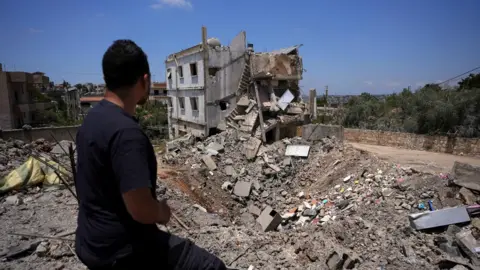
In the South Sudanese town of Akobo and surrounding areas of Jonglei state, violence is escalating as the army intensifies attacks to regain control. This has led to thousands fleeing their homes, prompting the United Nations to warn of a possible return to full-scale civil war.
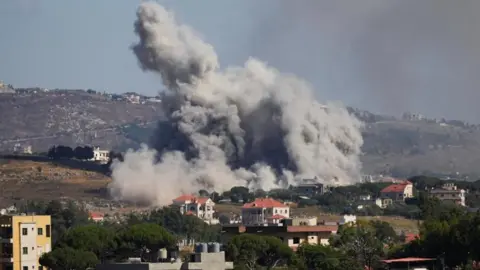
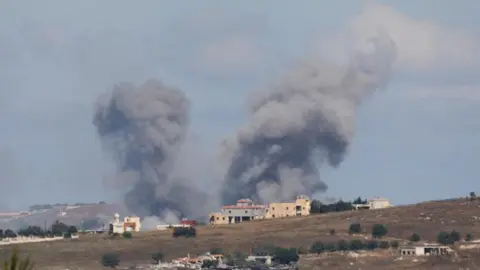
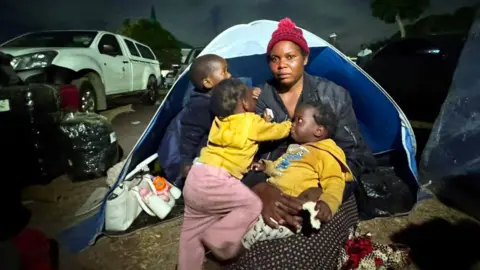
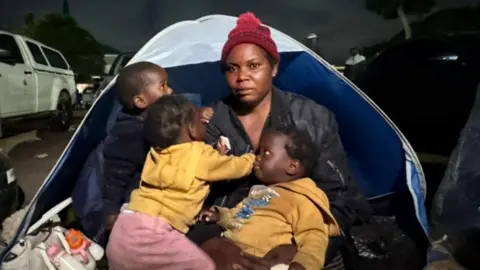
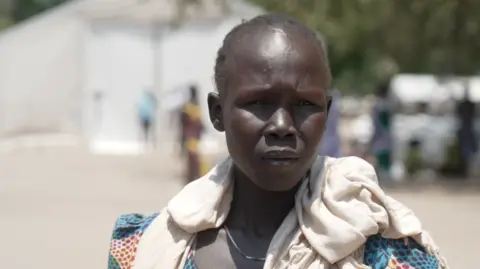
Nyawan Koang, a 30-year-old mother of five, describes her harrowing journey as her family walked for two days to escape the conflict in Ayod, where armed clashes have been rampant. They found themselves caught between government troops and opposition forces aligned with First Vice-President Riek Machar, who has been suspended from office after being accused of plotting against President Salva Kiir. Koang lamented, Fire came from the sky and burned them, referring to the airstrikes that killed her parents.
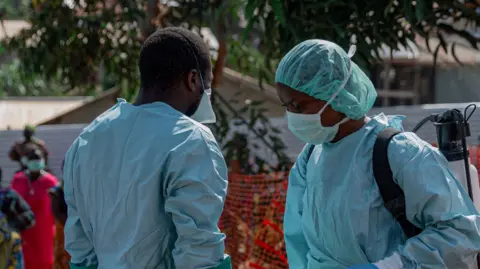
Her experience is echoed by many in Jonglei, where over 280,000 people have been displaced by ongoing fighting. With basic necessities scarce, humanitarian organizations are struggling to provide adequate food and medical supplies, reflecting a dire need as around 60% of the region's population is facing hunger.
Conflict has been ongoing in South Sudan since 2013, intensifying ethnic tensions and cycles of violence despite a peace deal established in 2018. The current clashes are reported to have seen civilians disproportionately affected, with deaths mounting from indiscriminate attacks and airstrikes over populated areas. As these confrontations continue, observers fear renewed instability may undermine the fragile peace established by previous agreements.
Evidently, the direct impact of military actions on civilian life is profound, raising questions about accountability and the international community's response to the worsening humanitarian crisis.