In a nation still haunted by six decades of armed conflict, Colombia’s July presidential election is being framed by a surge in violence. Reports of extortion, kidnappings and bombings now dominate the media and shape how voters perceive the choices on the ballot.
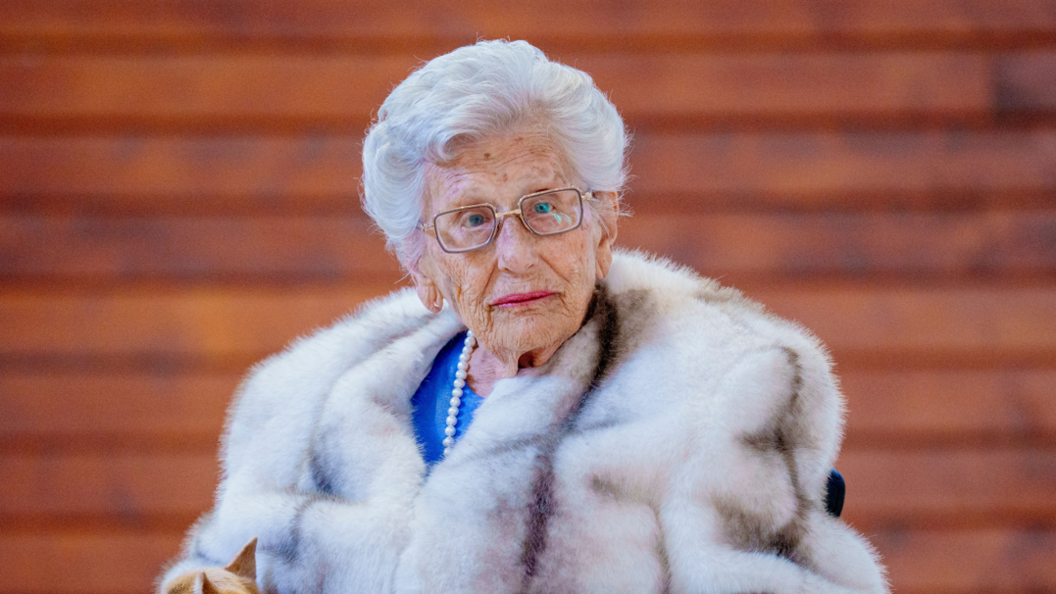
Edilma Martinez Flores, who has fled her home in Cali after receiving threats from armed criminal groups, said her brother was murdered in front of his children. Her testimony echoes the growing sense of fear that permeates the country, with displaced people mounting a powerful protest in Bogotá’s central support centres.
The violence has been amplified by the growth of illegal armed factions such as the Revolutionary Armed Forces of Colombia (FARC), its dissident groups, the National Liberation Army (ELN) and the Clan del Golfo. In the past five years the membership of the rebels has doubled, allowing them to seize strategic rural areas used for drug trafficking and illegal mining.
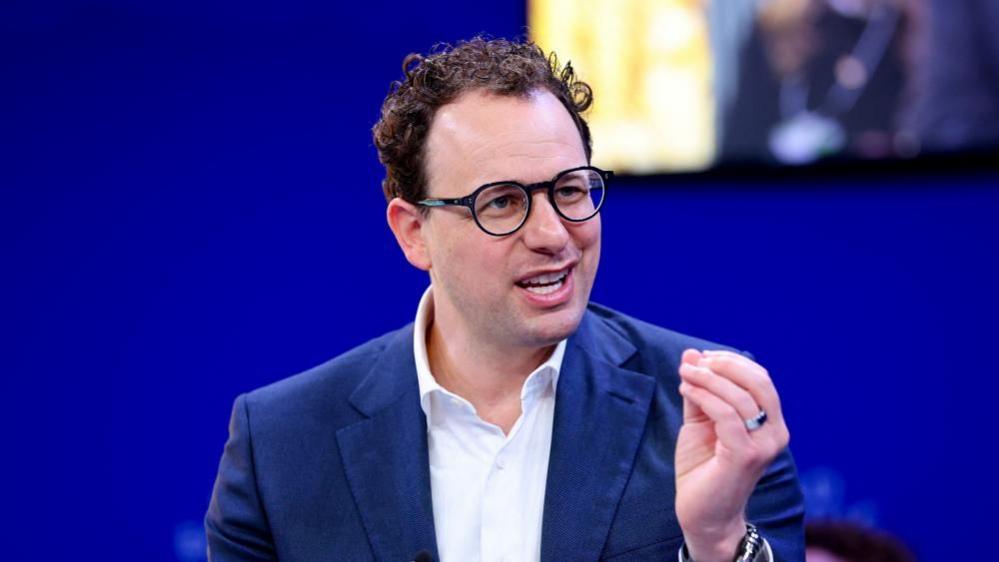
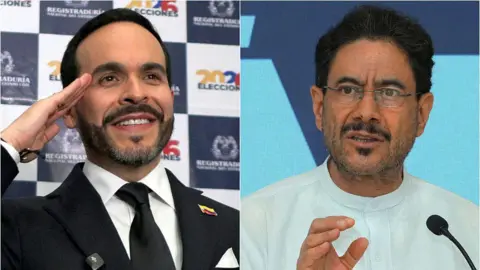
Against this backdrop, the election draws two distinct visions for Colombia’s future. Senator Iván Cepeda – a left‑wing politician and architect of President Gustavo Petro’s “total peace” policy – argues that negotiations with guerrilla groups have prevented larger casualties and promised “social transformations” if elected. Cepeda also pledges a review of the current peace strategy to improve its effectiveness.
Opposing his profile is Abelardo de la Espriella, a right‑wing businessman who calls himself El Tigre. Backed by an endorsement from former US President Donald Trump, he has vowed to build ten mega‑prisons, launch a rigorous military crackdown and abandon talks with armed groups. De la Espriella claims to have the “balls” needed to defeat criminal organisations.
While both candidates confront security questions, voters’ reactions have split along generational lines. Younger Colombian citizens—such as student Catalina La Grande—highlight Cepeda’s blend of force and social programmes, emphasising that security must go beyond repression to address poverty, inequality and youth involvement in crime. In contrast, supporters of de la Espriella, including village resident Sandra Caballero, focus on hard‑line tactics and close ties to the United States in combating drug migration.
A significant portion of the electorate is affected directly by the violence. Victim support centres in Bogotá reveal that displacement rose 300% between 2024 and 2025, a record in recent history. Reports of families forced to abandon homes, the purchase of land by criminal gang members and the increasing use of bombs along travel routes underscore the stakes.
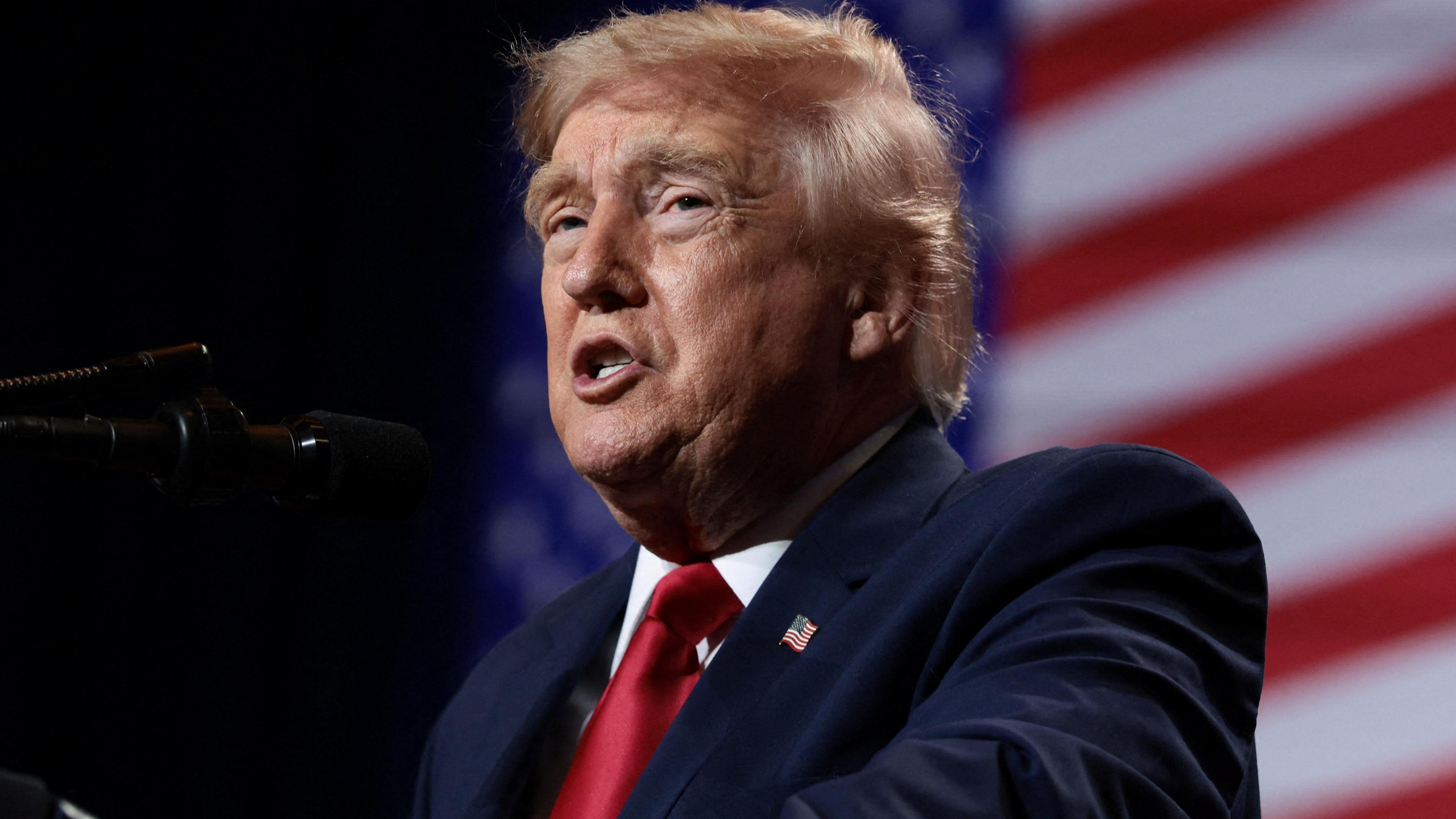
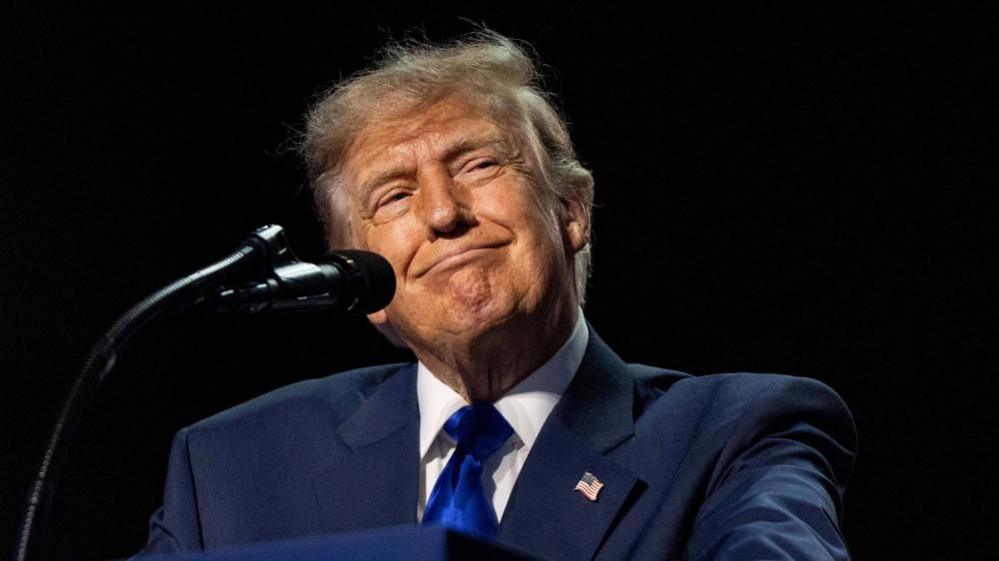
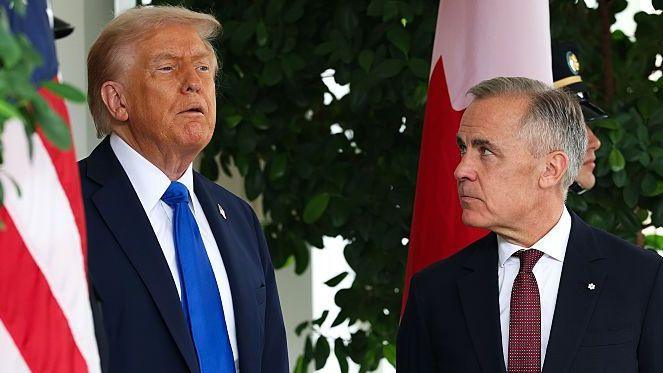
International observers have noted a controversial foreign element in the campaign: the Trump endorsement has been denounced by some as interference, and Trump himself suggests that the election will dictate Colombia’s relationship with the United States, announcing that a de la Espriella victory would bring “total support and strength” of the US. He also dismissed Cepeda as a “radical left Marxist.”
With the first‑round voting already showing a narrow lead for de la Espriella, the country faces a clear division that will likely intensify as the campaign spreads. Citizens will now weigh the costs and benefits of both security strategies—one seeking negotiated peace, the other pursuing military force—as their vote becomes a critical lever in the country’s trajectory toward stability or continued unrest.