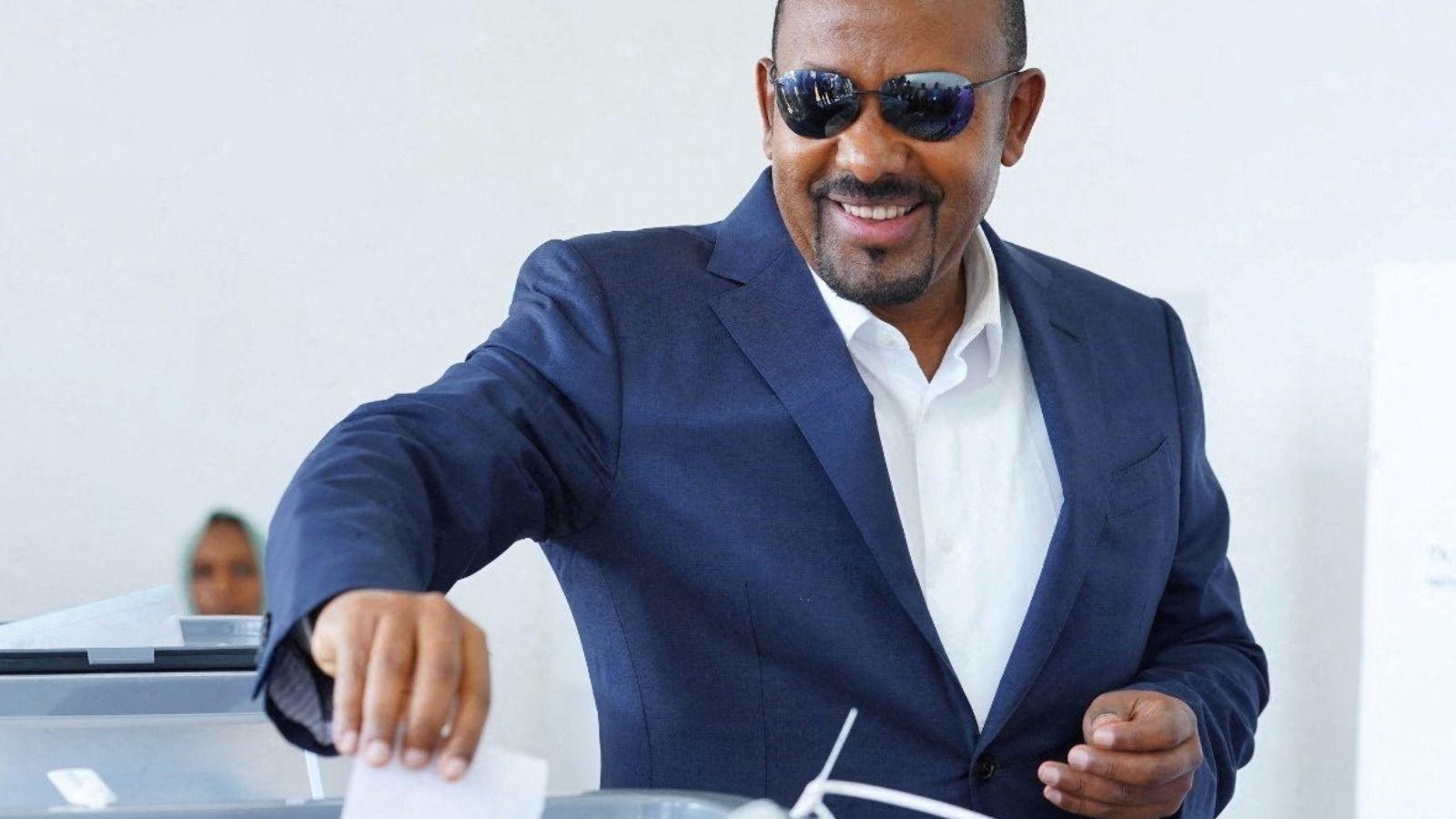
'Ethiopia’s election delivered a commanding victory for Prime Minister Abiy Ahmed’s Prosperity Party, which captured 438 of 501 contested seats, giving him a parliamentary majority that will enable a second term. The result has been hailed by supporters as evidence that economic progress is continuing under Abiy’s leadership, a stark contrast to the turmoil that accompanied the vote.
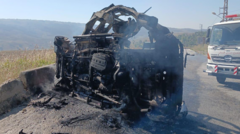
The poll was, however, marred by violence and low participation. 143 polling stations in the most populated regions, Amhara and Oromia, failed to open due to safety concerns from armed groups. Militias (Fano in Amhara and the outlawed Oromo Liberation Army in Oromia) rejected the process, disputing the fairness of results. Meanwhile, 38 constituencies in Tigray were excluded altogether, sparking speculation that a new war could erupt.
Security experts see the election as a sign of political consolidation, but also of growing instability. The ongoing insurgencies have not abated, and the Tigrayan People's Liberation Front (TPLF) and its supporters accuse Addis Ababa of violating the 2022 peace accord. Analysts warn that a re‑escalation could spread beyond Ethiopia to involve Eritrea, Sudan and the wider Horn of Africa.
The European Union has urged an immediate de‑escalation, while the United States announced visa restrictions targeting hard‑line members of the TPLF; both moves aim to curb further conflict but lack clear enforcement details. The risk, according to observers, lies in the combination of fragile peace agreements, economic dependencies and regional rivalries.
In a climate where political rhetoric is increasingly violent, the outcome of this election will likely shape the next chapters of Ethiopia’s fragile peace. While Abiy’s party enjoys a most‑influential Parliament, the undercurrents of dissent and the potential for cross‑border instability underscore a scenario where any misstep could spark widespread conflict.
The poll was, however, marred by violence and low participation. 143 polling stations in the most populated regions, Amhara and Oromia, failed to open due to safety concerns from armed groups. Militias (Fano in Amhara and the outlawed Oromo Liberation Army in Oromia) rejected the process, disputing the fairness of results. Meanwhile, 38 constituencies in Tigray were excluded altogether, sparking speculation that a new war could erupt.
Security experts see the election as a sign of political consolidation, but also of growing instability. The ongoing insurgencies have not abated, and the Tigrayan People's Liberation Front (TPLF) and its supporters accuse Addis Ababa of violating the 2022 peace accord. Analysts warn that a re‑escalation could spread beyond Ethiopia to involve Eritrea, Sudan and the wider Horn of Africa.
The European Union has urged an immediate de‑escalation, while the United States announced visa restrictions targeting hard‑line members of the TPLF; both moves aim to curb further conflict but lack clear enforcement details. The risk, according to observers, lies in the combination of fragile peace agreements, economic dependencies and regional rivalries.
In a climate where political rhetoric is increasingly violent, the outcome of this election will likely shape the next chapters of Ethiopia’s fragile peace. While Abiy’s party enjoys a most‑influential Parliament, the undercurrents of dissent and the potential for cross‑border instability underscore a scenario where any misstep could spark widespread conflict.
© 2026 Neutralecho.com, All rights reserved.
'