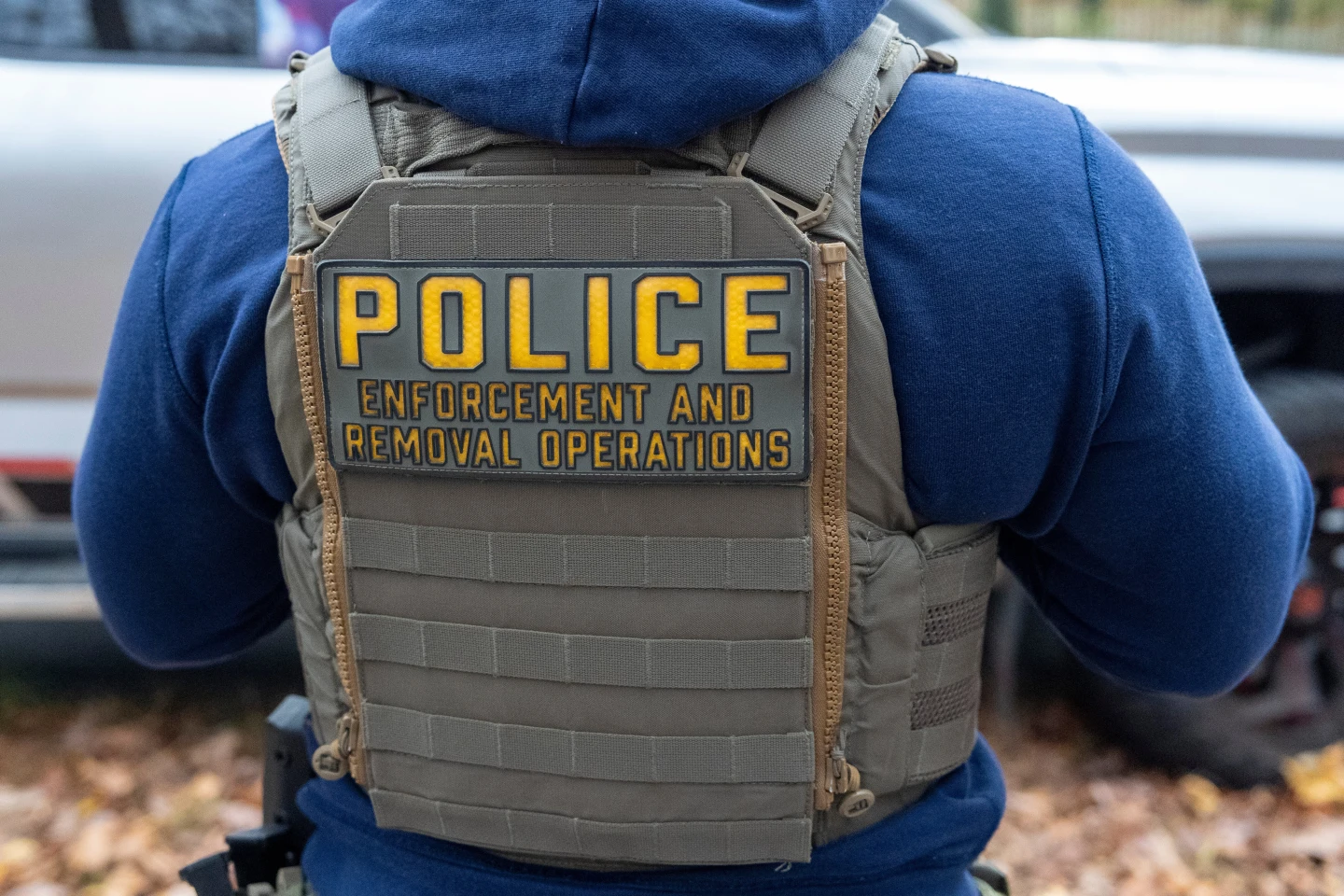
Recent investigations reveal that newly hired U.S. Immigration and Customs Enforcement (ICE) officers have begun working before passing essential background checks, leading to concerns about their suitability for roles tied to national security. The probe by The Associated Press highlights that some newly recruited officers have substantial financial, legal, and employment issues.
Earlier this year, ICE announced a significant hiring spree, bringing on board 12,000 new officers and agents in an effort to support President Trump's mass deportation initiative. Funded by a $75 billion allocation from Congress, this hiring campaign aimed to rapidly expand the agency's workforce. However, the extraordinary speed of these hires has raised alarms both internally within ICE and among external observers, given the importance of these positions.
For example, among the new hires is Carmine Gurliacci, a former police officer who filed for bankruptcy and has reported substantial debts. His hiring raises serious questions about the vetting process for ICE personnel. The investigation by AP found other new employees with similar financial difficulties, which experts warn can lead to vulnerabilities such as bribery and extortion.
Moreover, some recruits have histories of alleged misconduct. Andrew Penland, who resigned from a sheriff's office amid a lawsuit regarding false allegations, is another troubling example that has surfaced. Concerns have been voiced by community members about the implications of hiring individuals with questionable backgrounds.
As reported, even before fulfilling the standard background verifications, some candidates were issued 'tentative selection letters,' allowing them to commence work. This has led ICE to admit that the current hiring surge has strained their capability to conduct thorough evaluations. In response, ICE's acting director, Todd Lyons, affirmed that the agency is committed to rigorous employee vetting, deeming the hiring process as an ongoing evaluation.
In conclusion, while ICE's push for an expanded workforce may be seen as necessary to bolster immigration enforcement, the hasty manner of recruitment and insufficient checks raises significant concerns regarding the integrity and security of the agency moving forward.