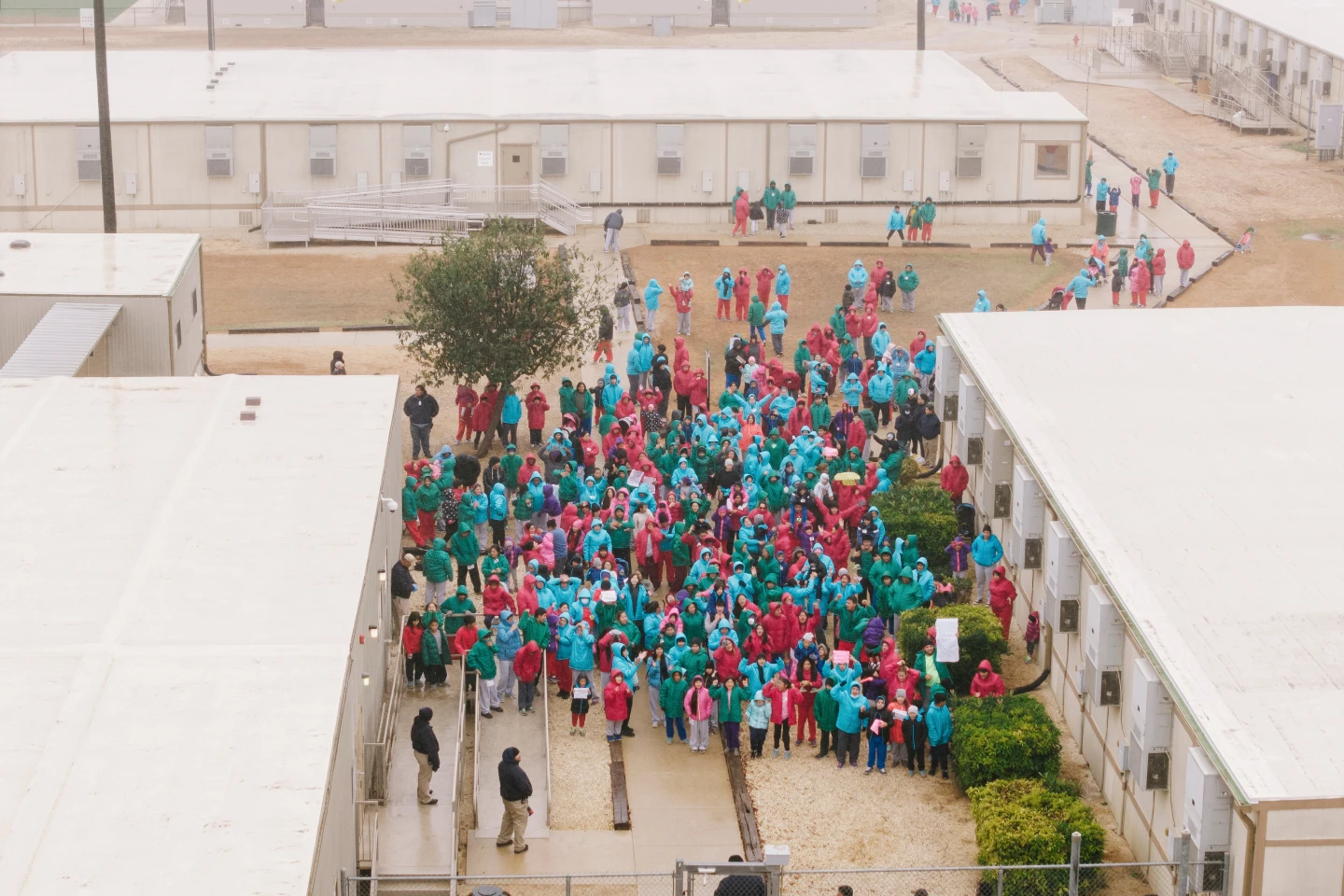
Recent court documents reveal that nearly 600 immigrant children have faced inadequate food, medical care, and mental health services in the Dilley family detention center in Texas. Many children are reportedly held well beyond court-mandated limits, prompting widespread concern among advocacy groups and legal representatives.
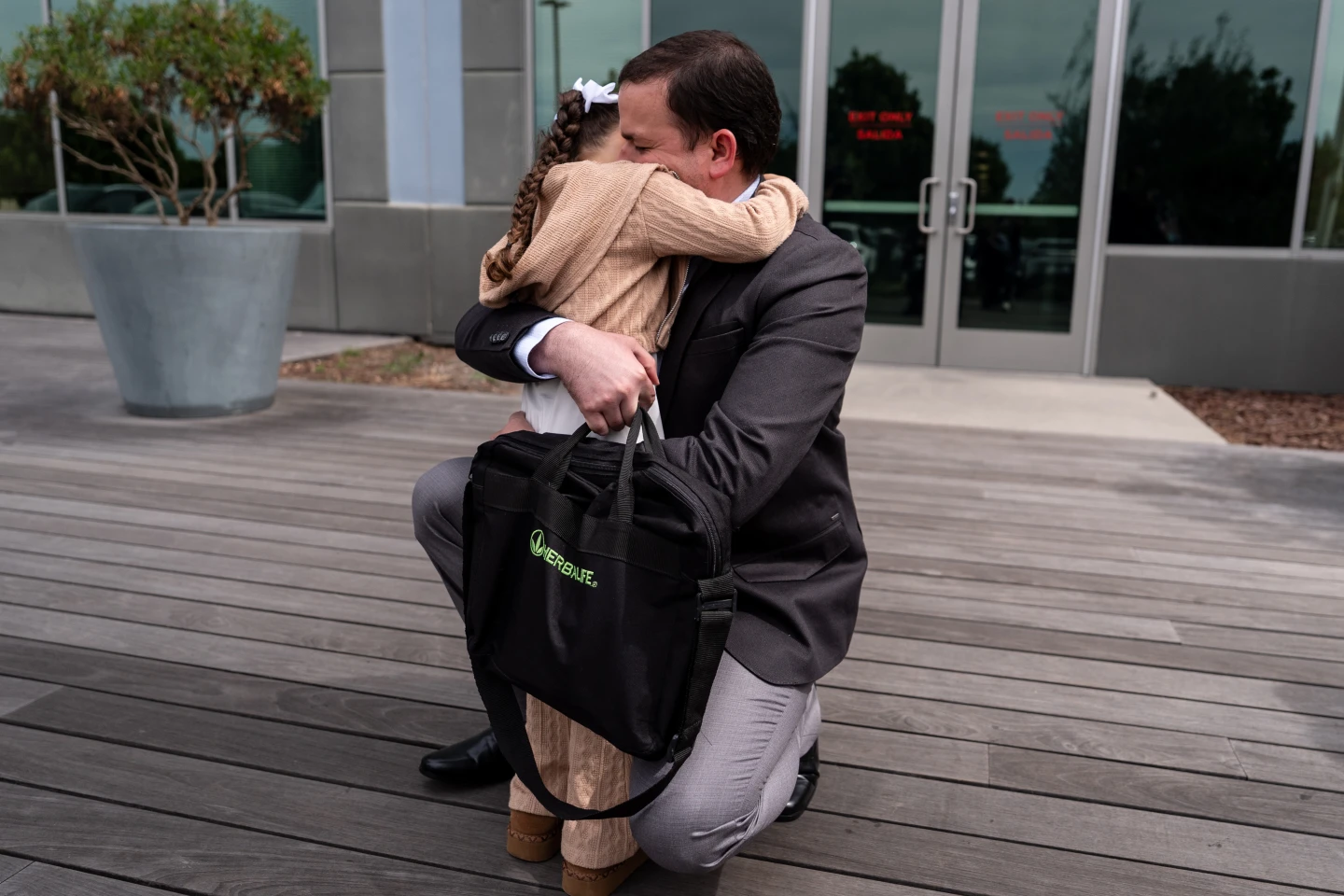
The Dilley facility, where families including young children like 5-year-old Liam Conejo Ramos have been detained, has seen periods of virus outbreaks and lockdowns. Although the number of detainees at Dilley has decreased in recent weeks, reports from attorneys visiting the site describe continued troubling conditions that warrant attention.
Among the most alarming cases cited in the filings is that of a 13-year-old girl who attempted to take her own life after being denied access to antidepressants and separated from her mother. The files state that despite reported suicide attempts, no proper measures such as placements on suicide watch were taken during her detention.
The current situation of children in Dilley stems from a lawsuit initiated in 1985, which led to the implementation of regulations and limits on the duration of custodial detentions. The Trump administration has sought to dismantle these regulations through legal avenues, specifically aiming to terminate the Flores settlement that governs the treatment of minors in detention.
The Department of Homeland Security (DHS) has described the Flores consent decree as a hindrance to enforcement efforts, asserting that remaining in detention is a choice made by families. Nonetheless, reports of unsanitary conditions, including the presence of worms in food, along with inadequate access to legal counsel, continue to raise significant concerns regarding the treatment of immigrant children.
Recent filings show about 595 immigrant children held in December and January were detained for longer than the 20-day limit mandated by the Flores settlement. Disturbingly, some children have remained in custody for over 100 days. These revelations have prompted legal representatives to advocate for the children’s rights and the urgent need for reform in detention practices.
A hearing by Chief U.S. District Judge Dolly Gee on this matter is set to take place later this month, with implications that might shape the future of detention practices for immigrant families. Advocacy groups are demanding accountability and a thorough evaluation of the current conditions in detention facilities.