MINNEAPOLIS (AP) — A Minneapolis woman named Georgia Savageford, who confronted federal immigration authorities during a protest, detailed her traumatic experience with immigration enforcement during a news conference Thursday. Her testimony followed the shooting of fellow protester Alex Pretti earlier this year, which has raised concerns over the use of excessive force by federal agents.
Introducing herself as Wynnie, Savageford vividly recalled that fateful day in January when she was allegedly assaulted by federal agents while monitoring their actions. That day has changed me forever, she stated, emphasizing the deep trauma she experienced witnessing Pretti's shooting.
According to Savageford, she had been observing the actions of the agents legally since the earlier shooting of Renee Good. On January 7, Good was killed by a U.S. Immigration and Customs Enforcement (ICE) officer, an incident that sparked public outcry and heightened scrutiny of immigration enforcement practices.
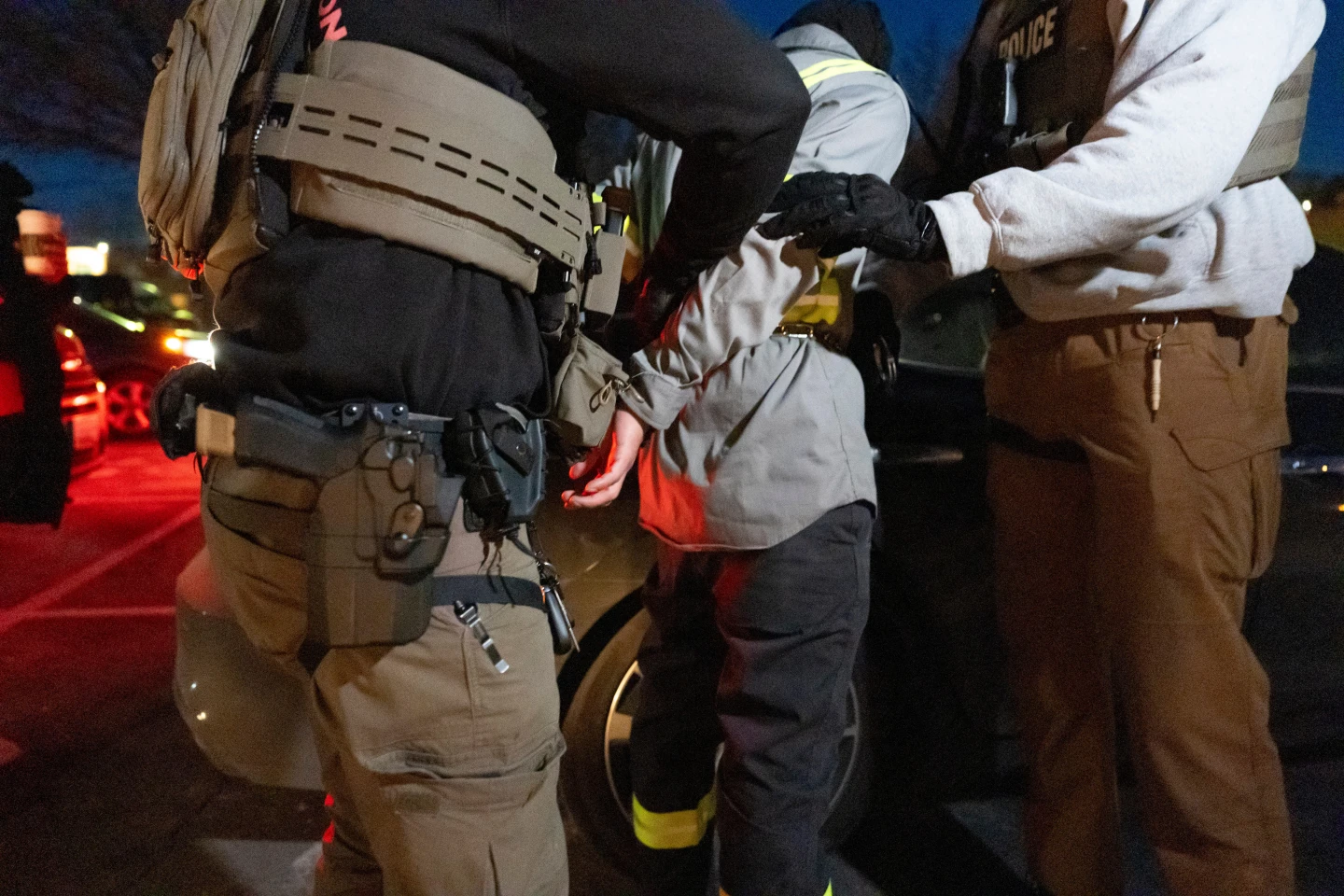
During her recount of events on January 24, Savageford reported being pushed to the ground by an agent, then forcibly restrained by multiple officers who allegedly twisted her limbs to the ground while handcuffing her. She described the pain experienced through the tightness of the handcuffs, which she claimed resulted in temporary nerve damage.
At the press conference, civil rights attorney John Burris announced that complaints had been filed with federal agencies regarding the treatment of protesters like Savageford, marking the beginning of an effort that could lead to a larger class-action lawsuit against ICE. Burris, known for his successful legal battles against police misconduct, aims to ensure that those who faced aggression during protests receive justice.
Savageford's experience resonates with many others who have opposed immigration enforcement measures and reflects the broader societal debate concerning the treatment of individuals at the hands of federal agents. As the legal actions unfold, there is a growing acknowledgment of the risk and trauma associated with peaceful protest in the current climate.