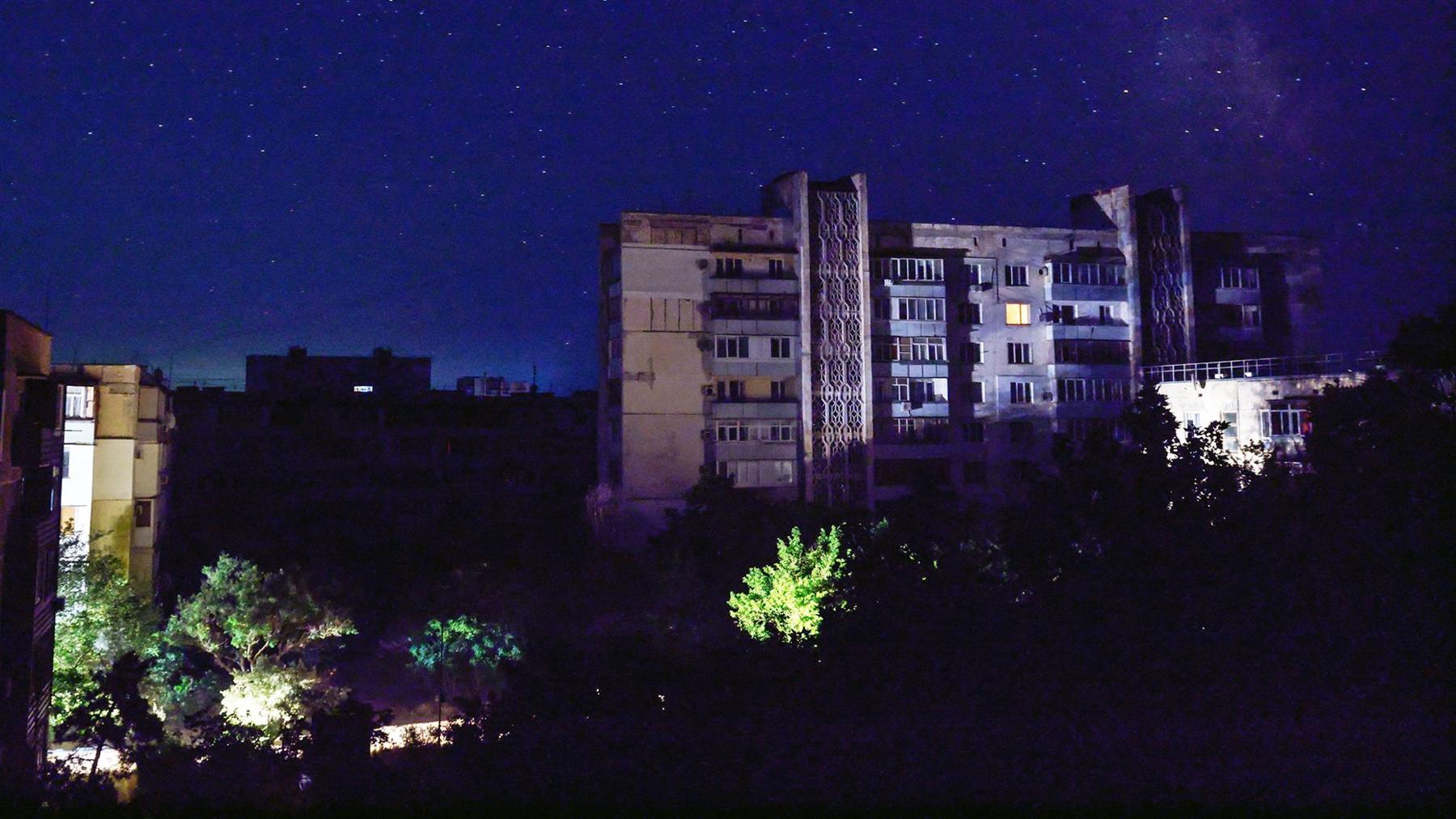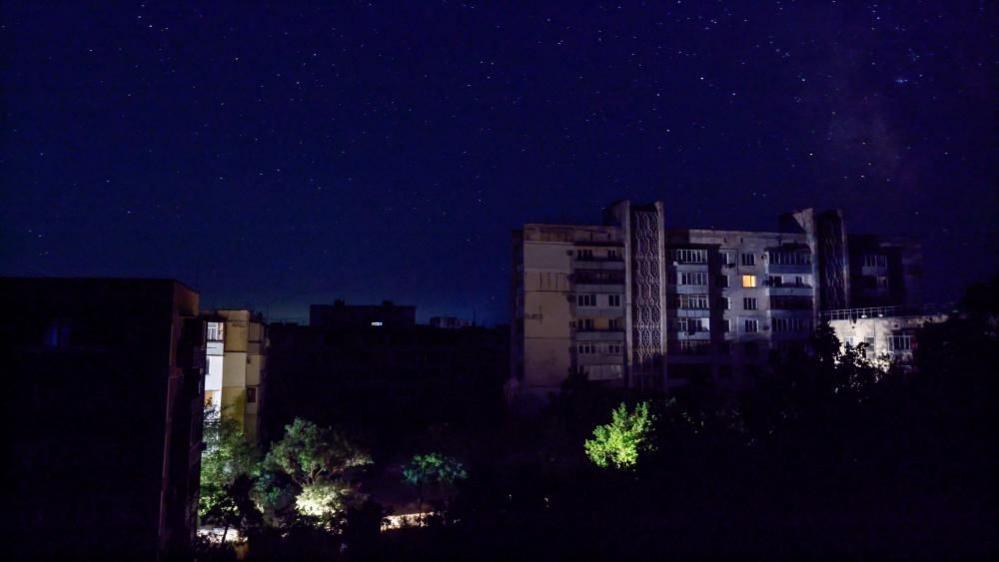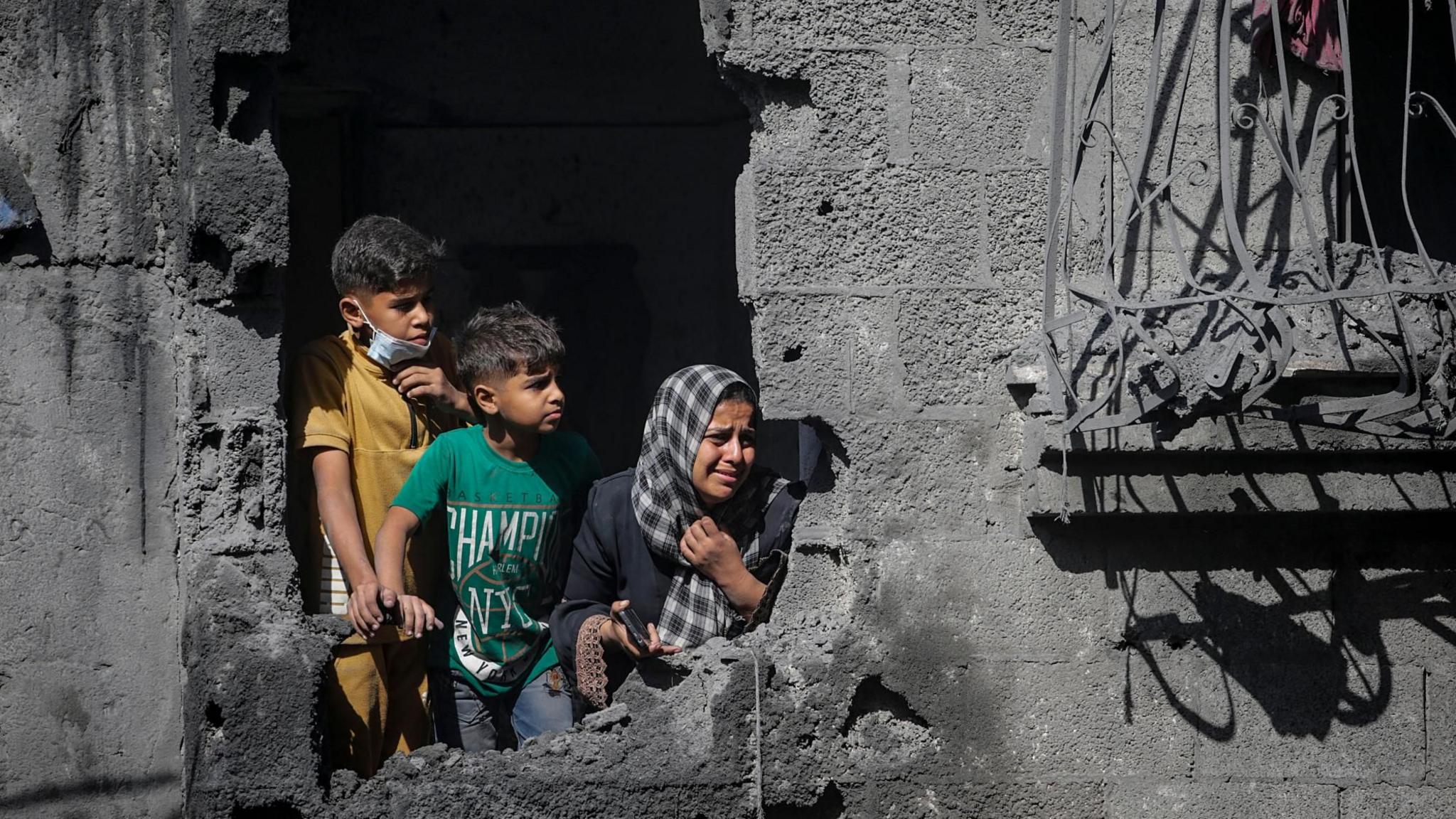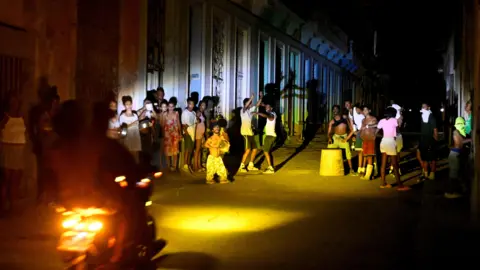
Cuba has plunged into darkness once again as its national electrical grid collapsed for the second time this week, affecting over 10 million residents. The country's energy ministry reported a 'total disconnection of the National Electrical System,' leading to widespread chaos and public unrest. While authorities are working to restore power, they are prioritizing essential services like hospitals and water supply. However, frustration is mounting among the populace, with protests erupting in major towns, including central Havana, where residents expressed their grievances by banging pots and pans.
The power cuts were attributed to an outdated energy infrastructure combined with a severe fuel shortage, worsened by a U.S.-imposed fuel blockade that has crippled energy imports essential to maintaining power stations. Despite the restoration of power to some areas, like half of Havana, the situation remains tense. A coalition of international socialist groups recently arrived in Cuba, bringing aid including vital solar panels and food supplies, aimed at alleviating some of the pressing needs.
Public dissent has grown as citizens voice their discontent over systemic economic and political problems that have persisted for decades. With continued uncertainty around U.S.-Cuba relations, negotiations are reportedly underway between the two governments, although they face significant hurdles, with Cuban officials confirming that their political sovereignty will not be up for discussion. The economic hardships and social unrest challenge the Cuban government’s ability to stabilize the situation, prompting fears of further popular uprisings amidst this ongoing crisis.
The power cuts were attributed to an outdated energy infrastructure combined with a severe fuel shortage, worsened by a U.S.-imposed fuel blockade that has crippled energy imports essential to maintaining power stations. Despite the restoration of power to some areas, like half of Havana, the situation remains tense. A coalition of international socialist groups recently arrived in Cuba, bringing aid including vital solar panels and food supplies, aimed at alleviating some of the pressing needs.
Public dissent has grown as citizens voice their discontent over systemic economic and political problems that have persisted for decades. With continued uncertainty around U.S.-Cuba relations, negotiations are reportedly underway between the two governments, although they face significant hurdles, with Cuban officials confirming that their political sovereignty will not be up for discussion. The economic hardships and social unrest challenge the Cuban government’s ability to stabilize the situation, prompting fears of further popular uprisings amidst this ongoing crisis.