At least 31 people have died after a powerful cyclone struck Madagascar, says the disaster authority in the Indian Ocean island.
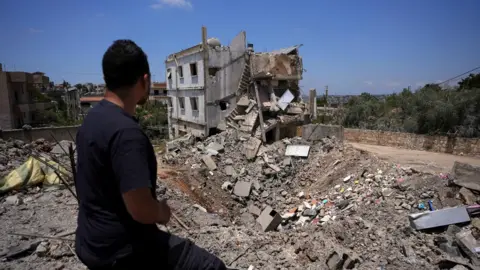
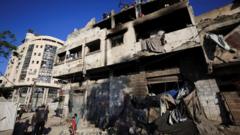
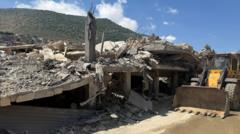
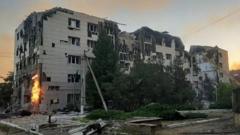
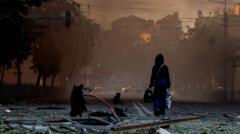
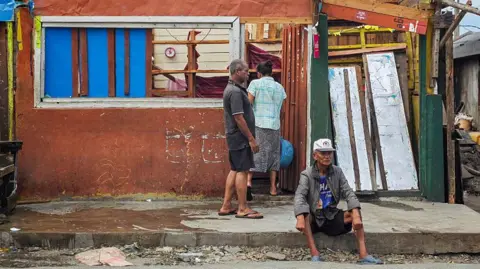
Cyclone Gezani made landfall on Tuesday, hitting the island's main port, Toamasina. Madagascar's disaster management office reported that there was total chaos, with houses reportedly collapsing in the impact zone where the bodies were discovered.
Neighbourhoods plunged into darkness as power lines snapped, while uprooted trees and ripped-off roofs contributed to the devastation. What happened is a disaster; nearly 75% of the city of Toamasina was destroyed, stated Colonel Michael Randrianirina, the country's military leader. He noted that the situation surpassed Madagascar's capability to manage alone.
The cyclone's landfall is recorded as one of the most intense in the satellite era. With winds reaching 250 km/hour (155 mph), many fatalities occurred due to collapsing buildings.
The head of disaster management at the Action Against Hunger aid agency remarked that 90% of house roofs have been blown off, entirely or in part.
Madagascar's authorities have begun evacuating dozens of injured individuals and hundreds of residents from affected districts, with Toamasina being home to approximately 400,000 people.
Residents recounted harrowing experiences, describing winds so fierce that they shook even metal doors and windows. "I have never experienced winds this violent," one resident stated.
This marks the second cyclone to hit Madagascar in 2023, following Cyclone Fytia, which resulted in 14 deaths and left over 31,000 people displaced. In anticipation of the storm, officials hurried to prepare emergency shelters and closed schools.
On Wednesday, meteorological services reported that Gezani had weakened to a moderate tropical storm and moved inland, about 100km north of the capital, Antananarivo. The cyclone season in the Indian Ocean region lasts from November to April, typically bringing around a dozen storms each year.