An Iranian minister has told the BBC that Israeli strikes in Lebanon on Wednesday constituted a 'grave violation' of the US-Iran ceasefire agreement. Deputy Foreign Minister Saeed Khatibzadeh stated that Lebanon was included in a two-week deal established on Tuesday, a claim disputed by the US and Israel, and urged the US to choose 'between war and ceasefire.'
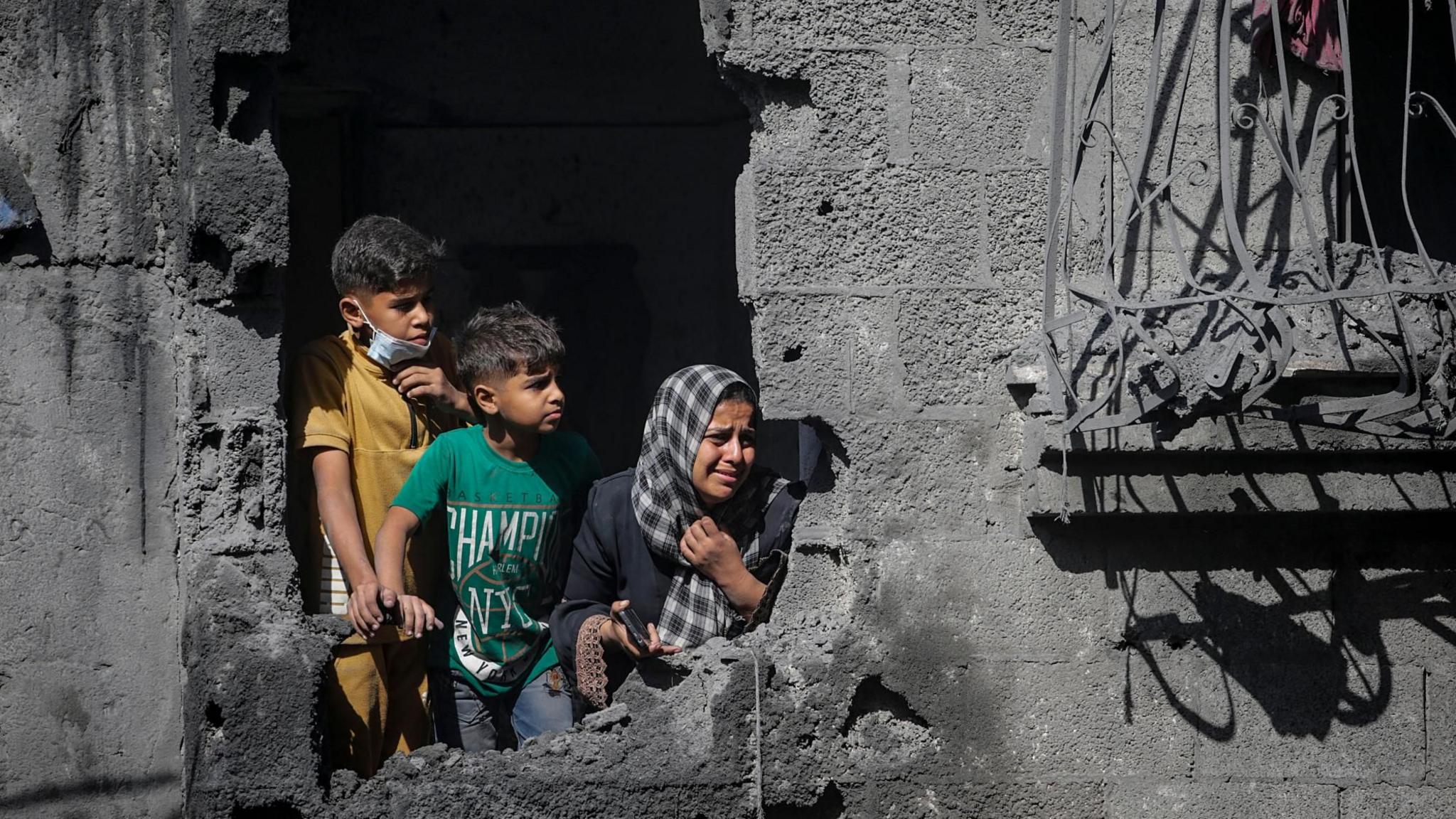
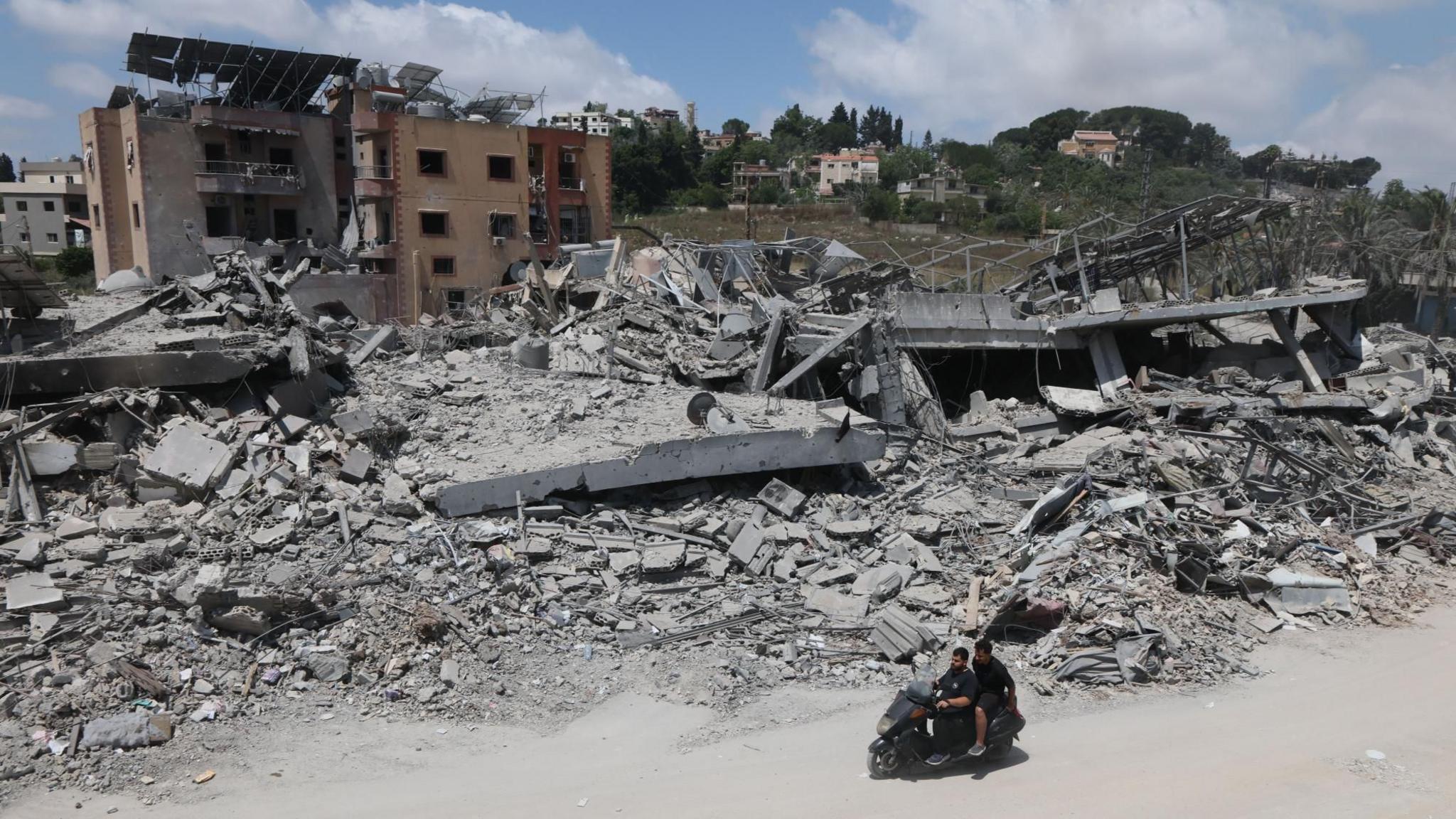
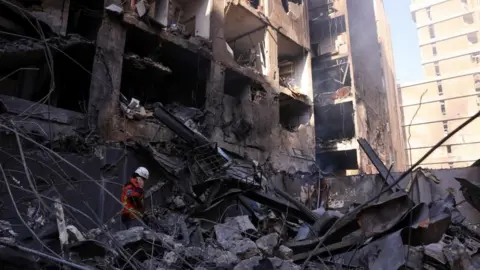
The Lebanese health ministry reported that at least 203 people were killed in the airstrikes on sites Israel identified as belonging to Hezbollah. When questioned about whether Iran would request Hezbollah to halt rocket attacks on Israel, Khatibzadeh insisted that the Iranian-backed group had respected the ceasefire terms.
Hezbollah subsequently reported that it had retaliated against Israeli strikes, accusing Israel of violating the ceasefire. The group warned that it would continue its attacks until Israeli-American aggression subsided. Khatibzadeh conveyed to BBC Radio 4’s Today programme that Tehran had sent a decisive message to the White House, underscoring that one cannot expect a ceasefire while simultaneously permitting violence.
The minister’s comments come amid critiques directed toward the US for its role in perpetuating the conflict, and he expressed skepticism about achieving a lasting agreement, accusing Washington of concealing military intentions beneath a facade of negotiations.
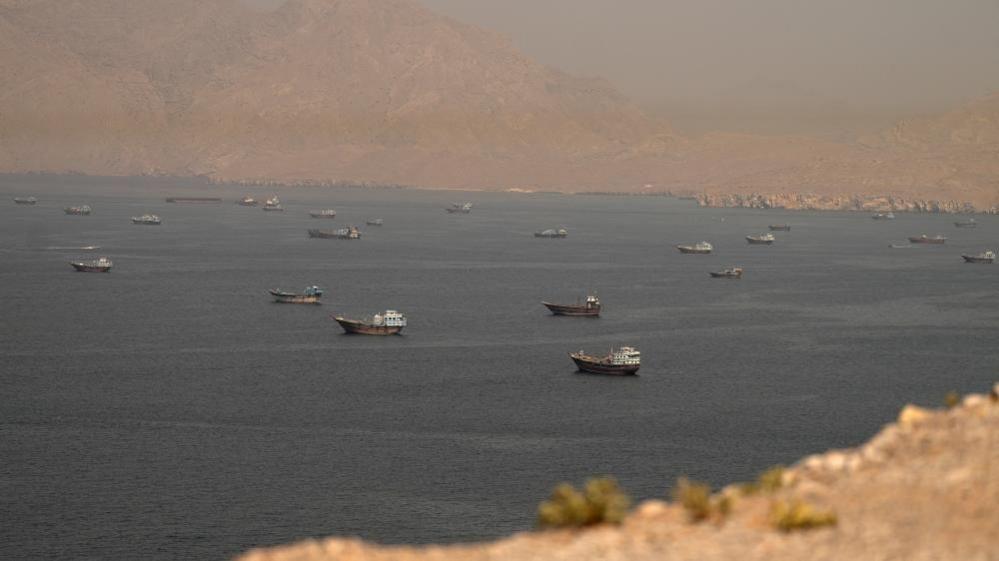
Khatibzadeh also discussed Iran's potential actions in the Strait of Hormuz, asserting the need for international cooperation to ensure safe passage for vessels, saying Iran would uphold maritime laws if provocations from the US ceased. As of now, the ceasefire’s durability hangs in the balance, with both sides escalating rhetoric as they uphold their narratives and positions in this fraught geopolitical landscape.
The Lebanese health ministry reported that at least 203 people were killed in the airstrikes on sites Israel identified as belonging to Hezbollah. When questioned about whether Iran would request Hezbollah to halt rocket attacks on Israel, Khatibzadeh insisted that the Iranian-backed group had respected the ceasefire terms.
Hezbollah subsequently reported that it had retaliated against Israeli strikes, accusing Israel of violating the ceasefire. The group warned that it would continue its attacks until Israeli-American aggression subsided. Khatibzadeh conveyed to BBC Radio 4’s Today programme that Tehran had sent a decisive message to the White House, underscoring that one cannot expect a ceasefire while simultaneously permitting violence.
The minister’s comments come amid critiques directed toward the US for its role in perpetuating the conflict, and he expressed skepticism about achieving a lasting agreement, accusing Washington of concealing military intentions beneath a facade of negotiations.
Khatibzadeh also discussed Iran's potential actions in the Strait of Hormuz, asserting the need for international cooperation to ensure safe passage for vessels, saying Iran would uphold maritime laws if provocations from the US ceased. As of now, the ceasefire’s durability hangs in the balance, with both sides escalating rhetoric as they uphold their narratives and positions in this fraught geopolitical landscape.