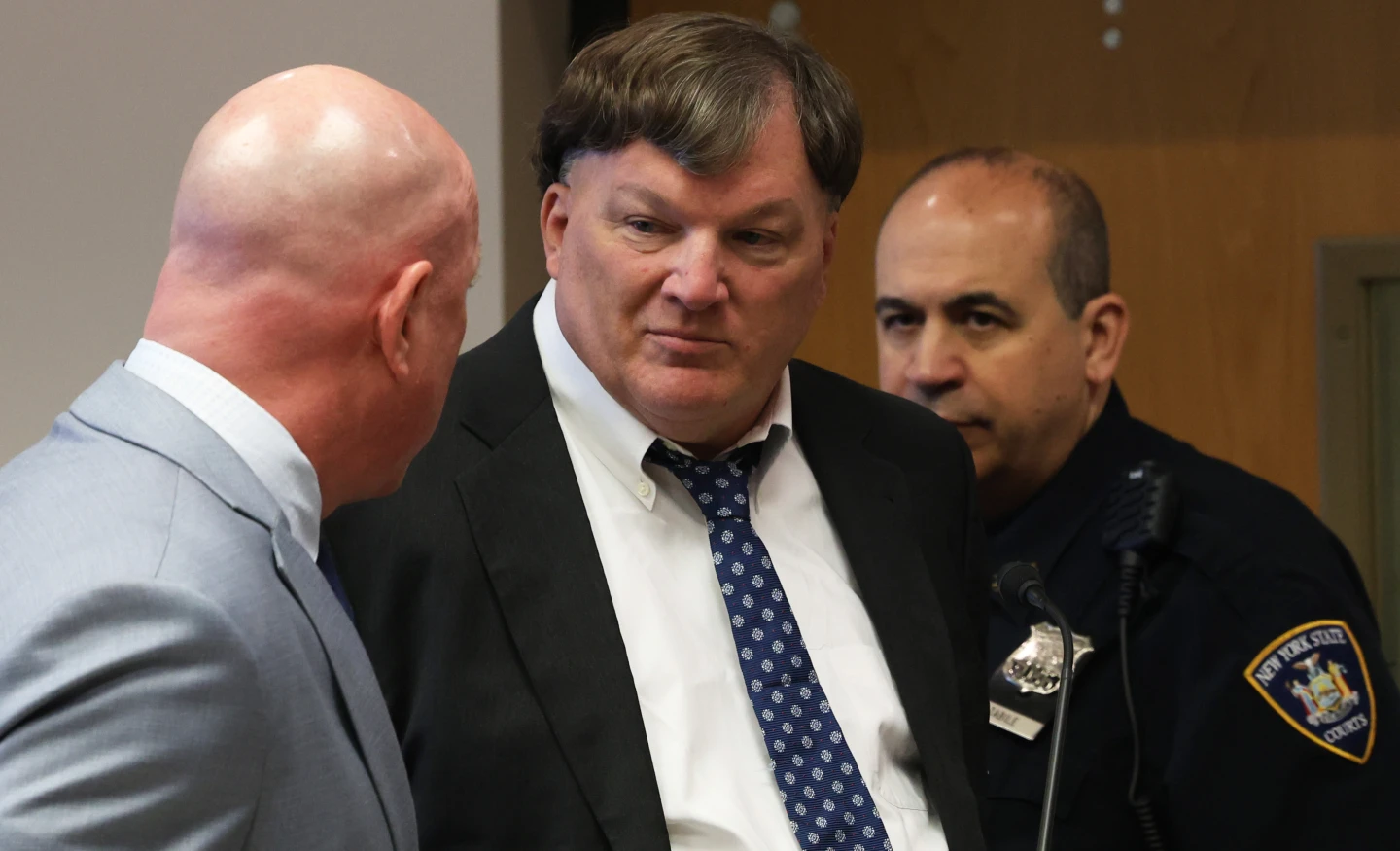
SALT LAKE CITY (AP) — Tyler Robinson, the man accused of the murder of conservative activist Charlie Kirk, has filed a motion to have cameras prohibited from the courtroom. His defense team argues that the live streaming of the proceedings continues to compromise his right to a fair trial due to perceived biased media coverage.
Robinson's attorneys are set to appear in court as they make their case that the sensationalized reporting around the trial could unduly influence potential jurors in his upcoming aggravated murder case. Among the claims made, a story by the New York Post alleged that Robinson confessed to Kirk’s killing during a previously inaudible conversation with his legal team, a claim they assert is based on dubious 'lip-reading analysis'.
“The dominant purpose of the live stream coverage has not been the objective reporting of court proceedings, but rather the pursuit of advertising profit, sensationalism, and the further vilification of Mr. Robinson,” claimed his attorneys in their request to bar cameras.
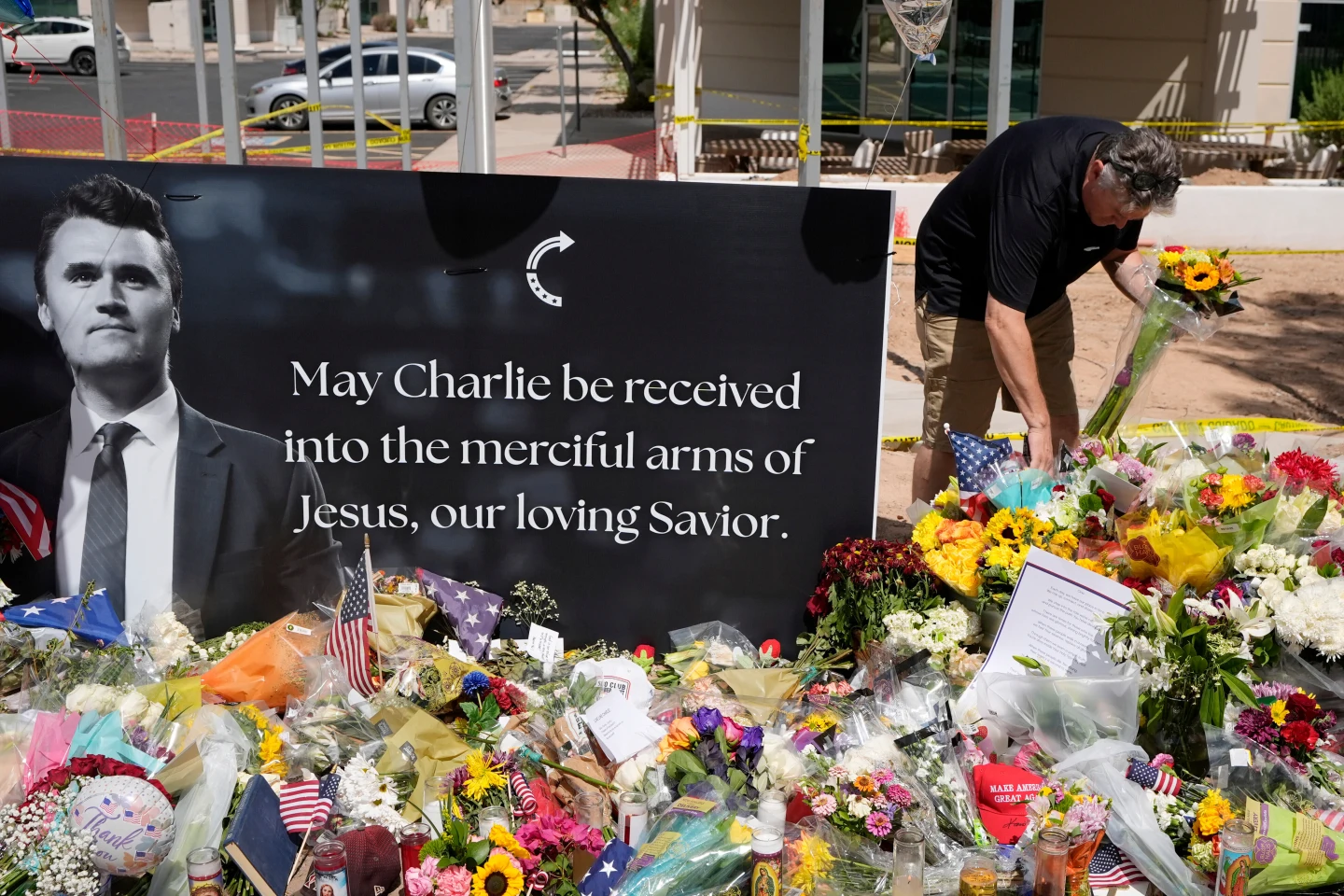
The prosecution plans to seek the death penalty should Robinson be convicted for the shooting of Kirk, which occurred on September 10 at Utah Valley University in Orem during Kirk's speech to a large audience.
As the case develops, there has been extensive media commentary on various aspects of Robinson's involvement. A notable report from the Daily Mail suggested that forensic evidence did not definitively tie Robinson to the murder weapon, raising questions regarding his culpability and complicating the narrative surrounding the prosecution's case.
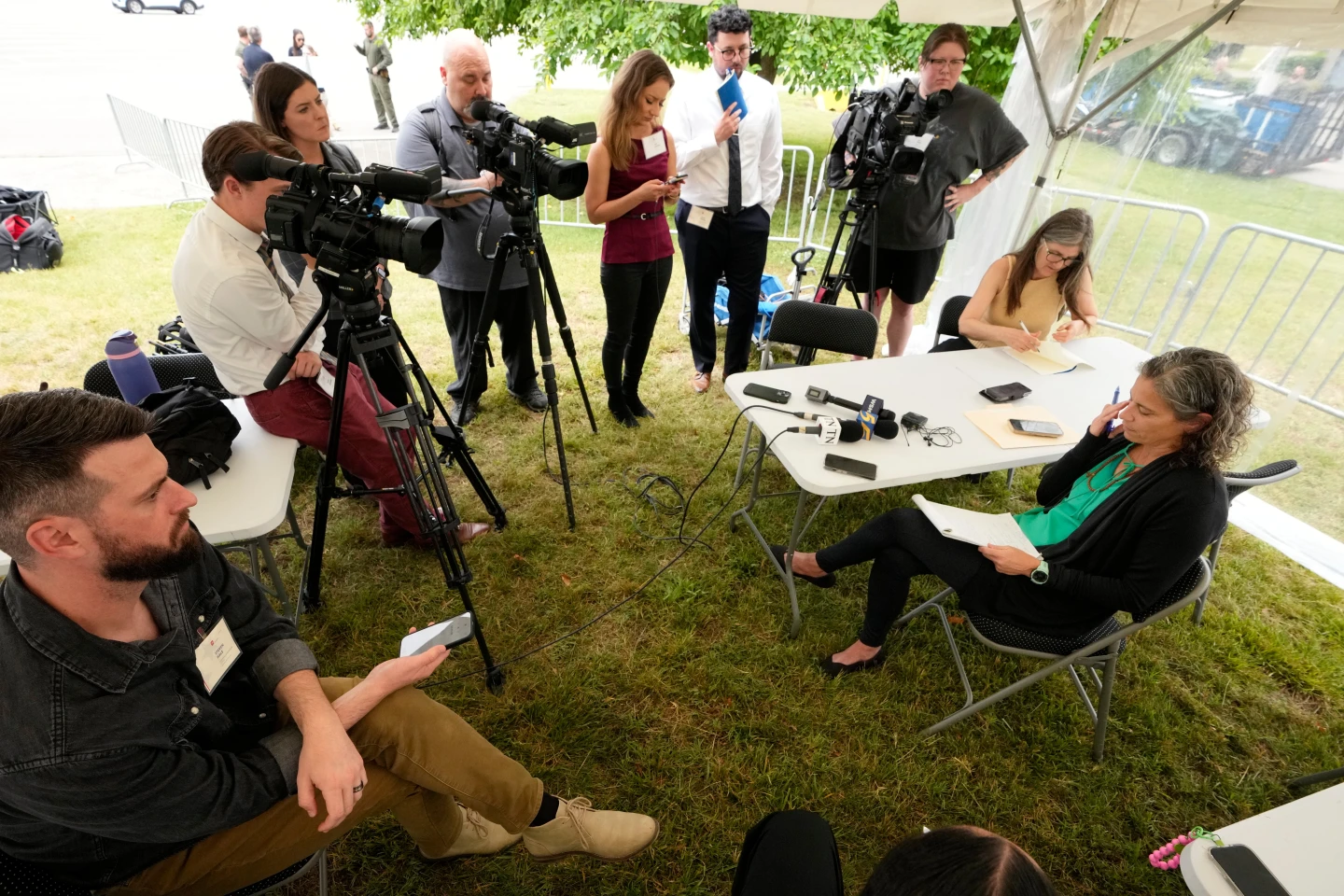
The debate about allowing cameras in the courtroom continues. While some media organizations, along with Kirk's widow, Erika Kirk, advocate for open access to eliminate misinformation, defense lawyers stress that the current media atmosphere could lead to an unfair trial.
Robinson’s attorneys aim to delay a preliminary hearing set for May, which is crucial as the prosecution must demonstrate sufficient evidence for a trial to commence. An analysis of the conducted forensic tests points to DNA matching Robinson found on critical evidence, though defense lawyers argue for a more nuanced interpretation of the findings due to mixed DNA results.
The courtroom policies regarding cameras differ from state to state, and many judges have discretion over these matters. Legal experts indicate that while the public generally has a right to court access, that does not equate to permission for unrestricted recording.