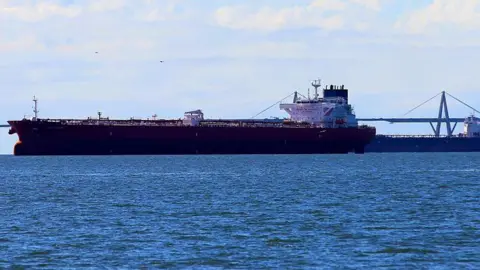
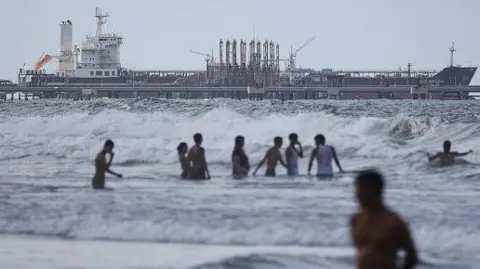
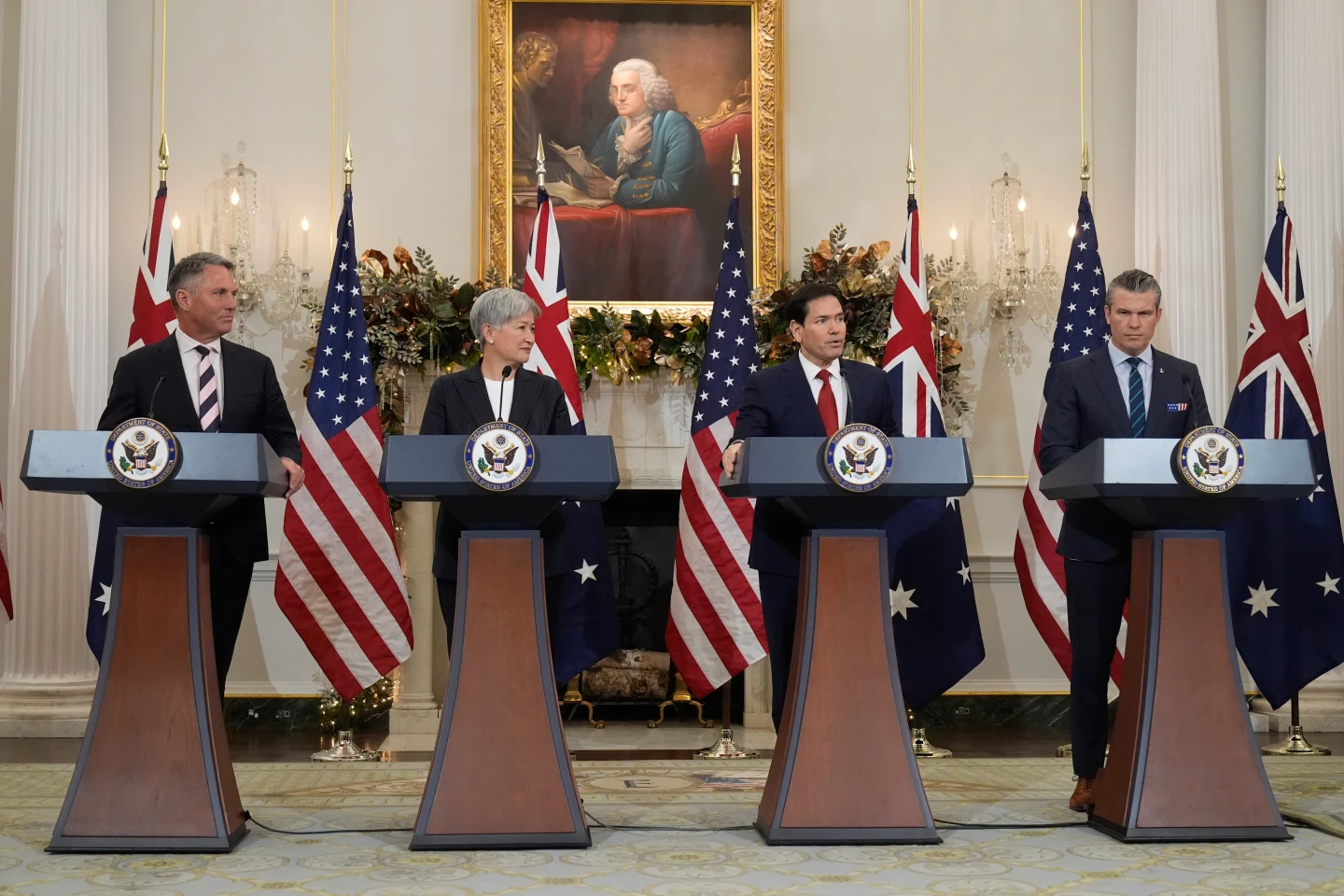
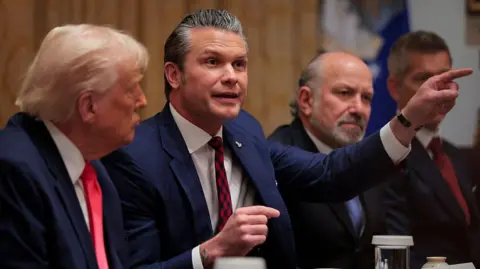
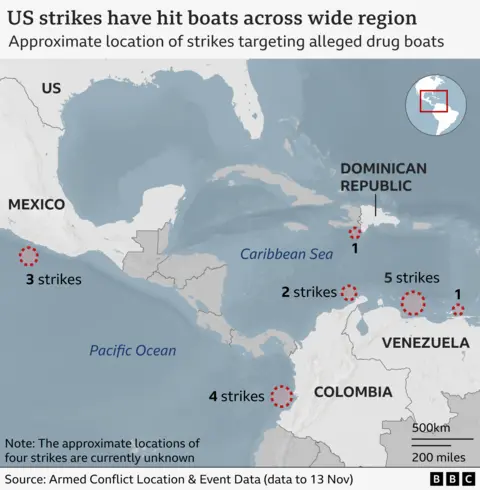
WASHINGTON (AP) — Defense Secretary Pete Hegseth defended a military follow-up strike on a suspected drug-carrying vessel in the Caribbean, which reportedly resulted in casualties among potential survivors. During a cabinet meeting, Hegseth described the situation as clouded by the 'fog of war,' asserting that he did not see survivors at the time of the second strike ordered in September.
Hegseth noted that because the vessel was engulfed in flames, he felt confident in the decision which was supported by the commanding admiral. The Washington Post highlighted that Hegseth had issued a verbal order leading to the second strike, drawing attention to the legality and ethical implications of military actions targeting drug trafficking.
The national response has been mixed, prompting Congress to initiate reviews of such military operations. Navy Vice Admiral Frank 'Mitch' Bradley, who ordered the strike, is scheduled for a classified briefing with lawmakers to discuss the mission and ensure it adhered to international law and military protocol.
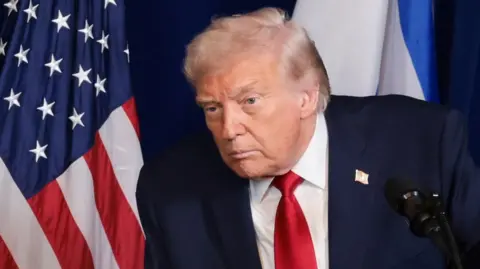
In response to inquiries about the operation, President Donald Trump indicated a lack of detailed knowledge concerning the strike's context but expressed reliance on Hegseth's insights. This incident raises critical discussions around military accountability and the rules of engagement in complex operational environments.