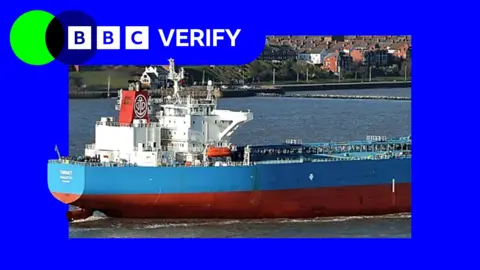
Venezuela has accused the United States of the 'greatest extortion' at an emergency session of the UN Security Council held in New York. The allegations stemmed from Washington's seizure of two Venezuelan oil tankers, deemed 'worse than piracy' by the Venezuelan ambassador to the UN.
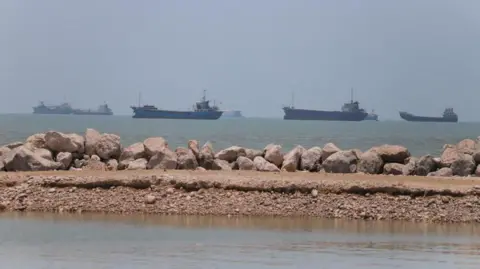
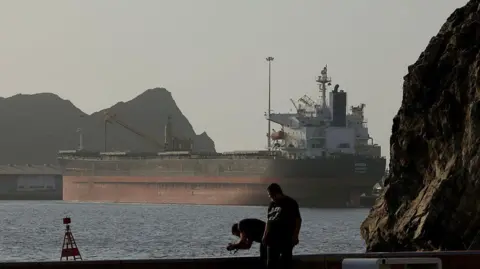
The session was convened to discuss the seizure of the tankers, which occurred off the Venezuelan coast earlier this month, with reports indicating that the US is pursuing a third vessel.
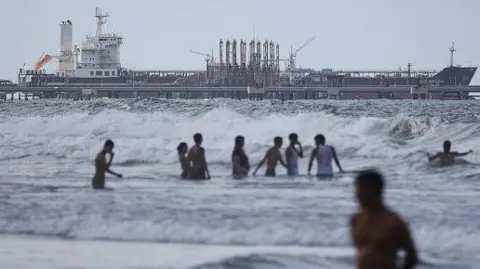
President Donald Trump has directed a naval blockade targeting all sanctioned oil tankers entering and exiting Venezuela, stating that the US would retain or sell the seized crude oil and vessels. This strategic move for the US has been accompanied by a significant military buildup, with 15,000 troops and numerous naval assets deployed to the region—the largest US military presence in the Caribbean since the 1989 Panama invasion.
Venezuela's envoy, Samuel Moncada, emphasized at the UN meeting that the US actions represented a violation of international law and a form of recolonization, asserting, 'What does that have to do with drugs?' This came amidst accusations by the US against Maduro, labeling him as the leader of a drug cartel.
The US Ambassador to the UN, Michael Waltz, countered these claims, stating that Maduro's oil sales enabled his power and asserted that the US does not recognize him as the legitimate leader of Venezuela.
In response to US actions, Russia and China criticized what they termed as US aggression. Russia's UN ambassador labeled the seizure of vessels as illegal, claiming it could set a dangerous precedent for future US interventions in Latin America.
As tensions mount, the ongoing standoff reflects deeper geopolitical divides and raises concerns over the implications for regional stability and international law.