In brief
Saurav Das and Ashutosh Ranka, prominent figures in the newly minted Cockroach Janta Party, walked out of Tihar jail after a magistrate ordered their release for alleged trespassing at Jantar Mantar. Their arrest followed a protest that challenged Delhi’s closed protest zones and echoed the party’s broader grievances about alleged electoral roll manipulation by Election Commissioner Gyanesh Kumar. The incident has intensified scrutiny of the BJP‑led government’s civic policies and the push among Gen‑Z activists for deeper democratic safeguards.
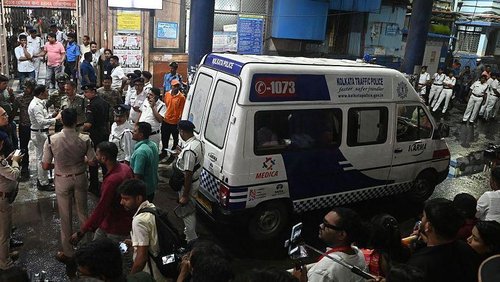
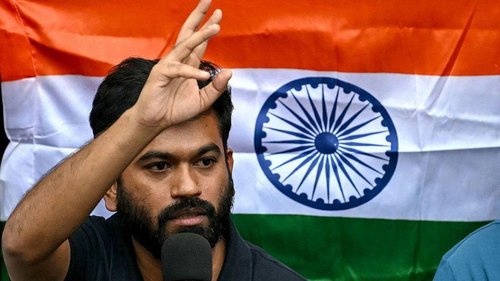
In the early hours of Tuesday, Saurav Das and Ashutosh Ranka—key organisers of the Gen‑Z‑led Cockroach Janta Party—walked out of Tihar jail after a Special Executive Magistrate ordered their release for trespassing. The two had been arrested a week earlier for breaching barricades and climbing a locked gate at Jantar Mantar, a site now removed from Delhi’s list of designated protest zones.
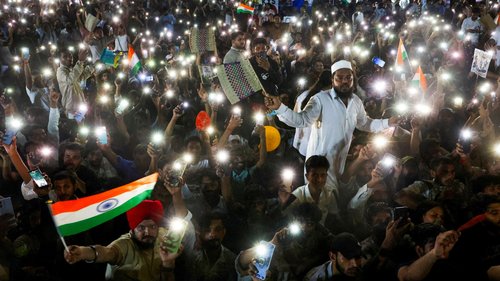
The party, whose name stemmed from a viral comparison by a top judge of unemployed youth to “cockroaches,” began as a satirical online movement in May. By July, it had organized mass protests over leaked examination papers and a march toward Parliament that clashed with police, drawing national attention and leading to the resignation of India’s education minister.
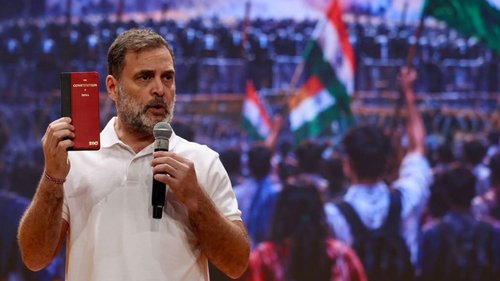
Today the focus has pivoted to India’s electoral system. The party, joined by opposition groups and student bodies, accuses Chief Election Commissioner Gyanesh Kumar of revising electoral rolls—an exercise known as the Special Intensive Revision (SIR)—to favour Prime Minister Narendra Modi’s Bharatiya Janata Party. The SIR has removed about 130 million names from voter lists since last year, a figure critics say risks disenfranchising legitimate voters.
The CEC and the BJP refute any political bias, arguing that the SIR is a legitimate effort to delete dead, duplicate or ineligible entries. Whether the release of Das and Ranka will embolden further challenges to Delhi’s protest regulations and the political status quo remains to be seen.

The incident comes as India’s political climate remains tense, with youth movements increasingly demanding transparent governance and fair electoral practices. Critics argue that the treatment of the two leaders underscores a broader trend of suppressing dissent, while supporters view their release as a victory for civil activism.