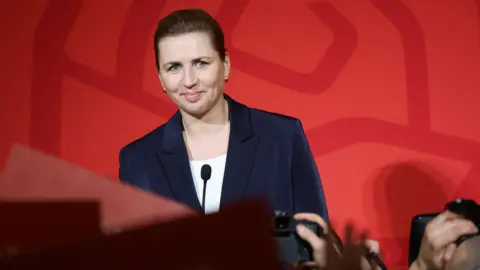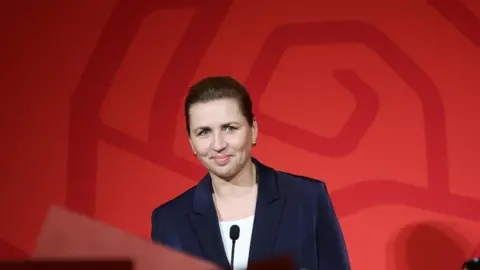
Led by Prime Minister Mette Frederiksen, Denmark's Social Democrats have won the most votes in the country's general election but have failed to secure a majority, recording the party's weakest performance in over a century. With 21.9% of the vote, the Social Democrats retained their position as the largest party in parliament with 38 seats. However, this is insufficient for a governing majority, as 90 seats are needed in Denmark's 179-seat parliament.
Frederiksen delivered an apologetic speech to supporters at Christiansborg, expressing her disappointment: I'm sorry that we did not get more votes. I had also hoped for a better result. Despite the electoral setback, she emphasized that the Social Democrats remain a favorite among the electorate.
Coalition-building will be crucial, as Denmark has a history of coalition governments. The recent election has resulted in a split parliament where the red bloc of left-wing parties has narrowly outperformed the blue bloc, securing a total of 84 seats against the right's 77 seats. Negotiations could stretch over days or weeks as parties navigate alliances.
Frederiksen, who has served nearly seven years in office, is eyeing a third term but faces complexities as the Moderates, holding 14 seats, have emerged as potential kingmakers. Their leader, former Prime Minister Lars Løkke Rasmussen, is open to a centrist coalition while the Liberals have rejected collaboration with the Social Democrats.
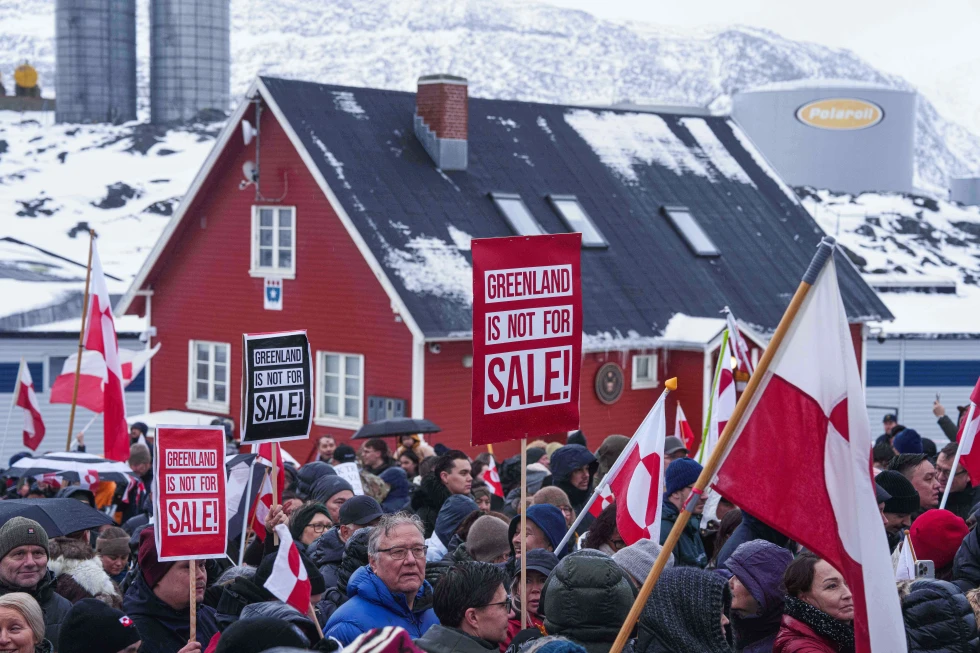
This election was marked by pressing issues such as the cost of living, economic welfare, and environmental concerns tied to agriculture, overshadowing geopolitical events like former US President Donald Trump's interest in acquiring Greenland, a Danish territory. The outcome reflects shifting voter priorities as domestic challenges have taken center stage in the political discourse.