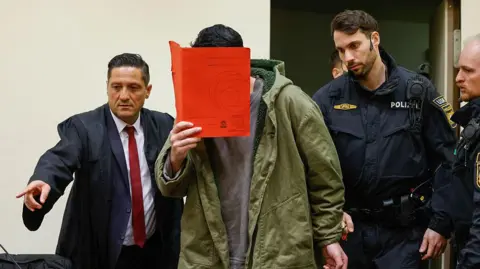
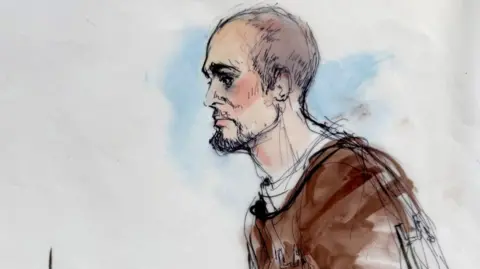
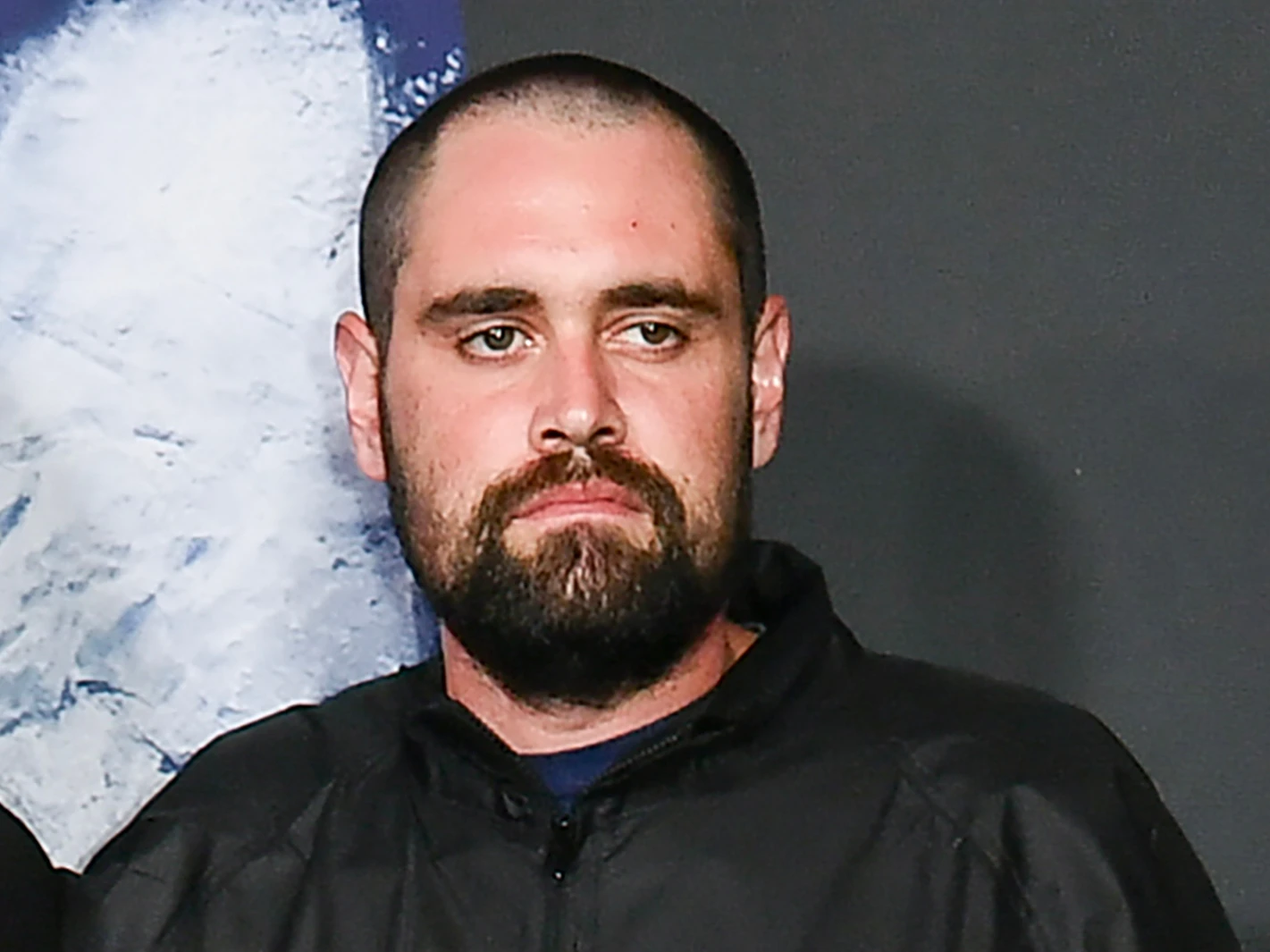
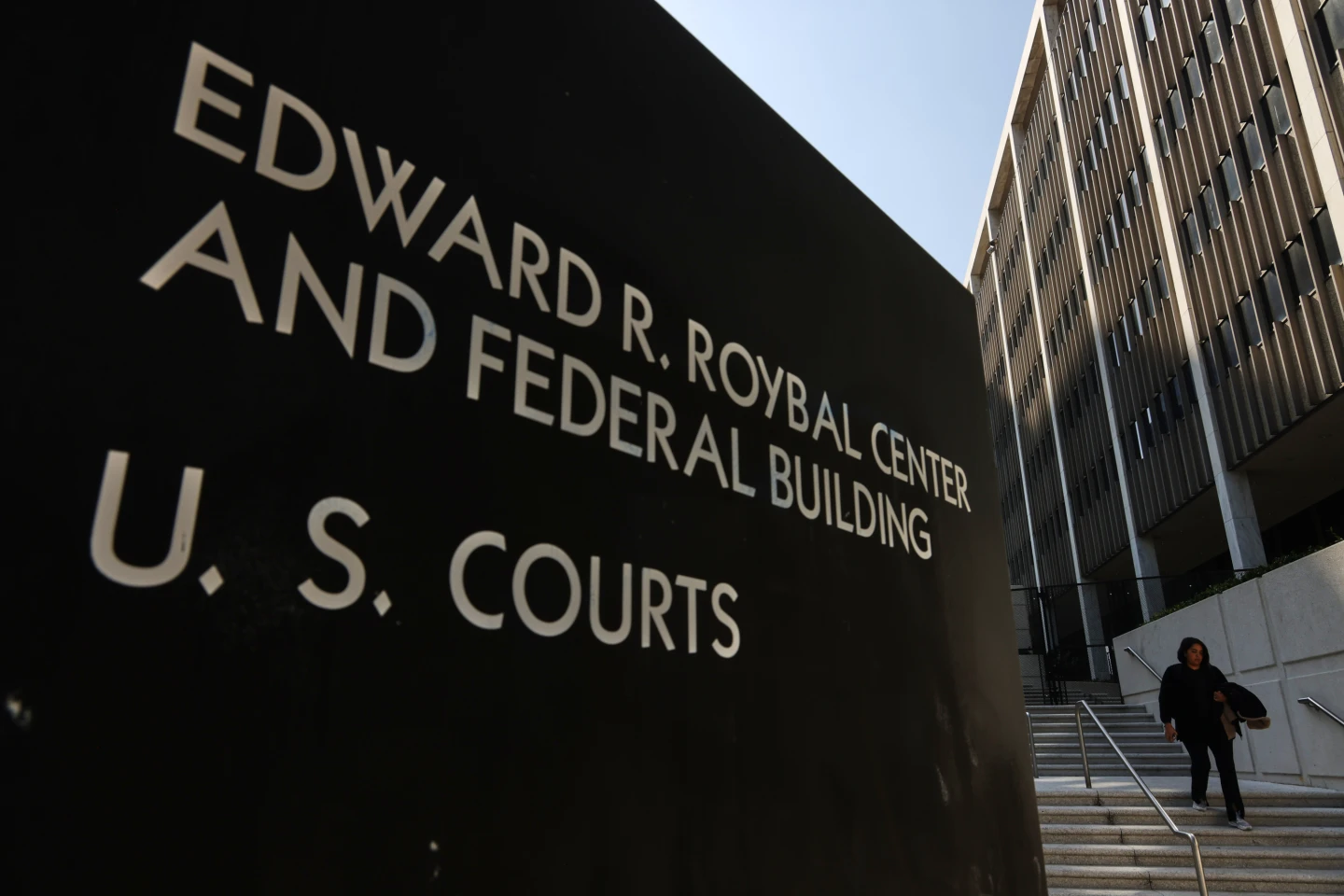
In a surprising turn of events, federal immigration authorities permitted Jeson Nelon Presilla Flores, a suspect in the unprecedented $100 million jewelry heist, to voluntarily self-deport to South America in late December. Prosecutors expressed shock and frustration as they were preparing for a criminal trial against him, indicating that the decision undermines the judicial process and the rights of the victims.
Flores is among seven individuals charged in connection with a brazen robbery that took place in July 2022 when thieves followed an armored truck from an international jewelry show, resulting in the theft of luxury items worth millions. Despite facing serious charges, including conspiracy to commit theft, Flores pleaded not guilty but opted for deportation following an immigration hearing where a judge issued a final order of removal.
The attorneys representing Flores have since filed a motion to dismiss the indictment, claiming that the mishandling of his immigration status violated his prosecution rights. They assert that Flores, a lawful permanent resident, was unaware of his immigration detainer, which should have informed prosecutors of the ongoing proceedings against him.
The prosecution, however, opposes this motion, hoping to keep the case open so they can seek future criminal charges if Flores returns to the U.S. They argue that immigration proceedings often run parallel to criminal cases without hindrance, suggesting that Flores’ self-deportation could prevent justice for the victims.
Critics, including former federal prosecutor Laurie Levenson, have voiced concerns over the overlapping duties of immigration officials and prosecutors, stating that such decisions should be communicated efficiently. Jerry Kroll, an attorney representing some of the affected jewelers, echoed these sentiments, stressing that the lack of a trial deprives victims of necessary closure.
“When a defendant in a major federal theft case leaves the country before trial, victims are left without answers, without a verdict, and without closure,” Kroll lamented to the media. The discrepancy in the handling of this high-profile theft has raised numerous questions about the effectiveness and coordination between the judicial and immigration systems.
The jewelry heist itself, reported as one of the largest in U.S. history, has not only caused significant financial losses but also demanded a critical review of existing protocols, as victims and the legal community seek to understand how such an incident could unfold without proper oversight.