WASHINGTON (AP) — The killing of Renee Good, a Minnesota woman, by an Immigration and Customs Enforcement (ICE) officer has triggered significant political repercussions, reverberating throughout Capitol Hill as lawmakers voice their demands for accountability and reform.
The incident, which occurred as Good was driving her child to school, has mobilized protests across the country and intensified the discourse surrounding President Donald Trump’s enforcement policies. Lawmakers' responses range from calls for a comprehensive investigation into the shooting and policy changes regarding law enforcement to proposals for defunding ICE and even impeachment of Homeland Security Secretary Kristi Noem.
House Democratic leader Hakeem Jeffries labeled the shooting “a disgrace” and announced forthcoming discussions on a forceful response from Democrats. However, the political landscape remains unclear, with disparate narratives emerging from different party lines.
Trump and Noem have defended the ICE officer's actions as self-defense, contrasting sharply with the perspectives of various Democratic officials who have labeled this narrative as misleading. They urge the public to critically engage with the available video evidence of the incident.
Senator Lisa Murkowski, a Republican from Alaska, echoed sentiments for a thorough investigation, emphasizing the need for policy changes to prevent such tragedies in the future. This sentiment reflects growing bipartisan concern over ICE's handling of deportation operations and incidents that have resulted in casualties.
As Congress discusses annual appropriations to fund agencies—including the Department of Homeland Security—political pressure mounts on the administration to reevaluate the conduct of its immigration enforcement officers. Democratic Rep. Maxwell Frost articulated the necessity for accountability not just for the officer involved but for the entire system underpinning immigration enforcement.
Good's death, being the fifth known fatality linked to ICE's aggressive deportation strategy, poses newfound scrutiny over the administration's approach. As Democrats emphasize the need for reform, Republicans are tasked with balancing their hard-line stance on immigration with the reality of civil discontent arising from such incidents.
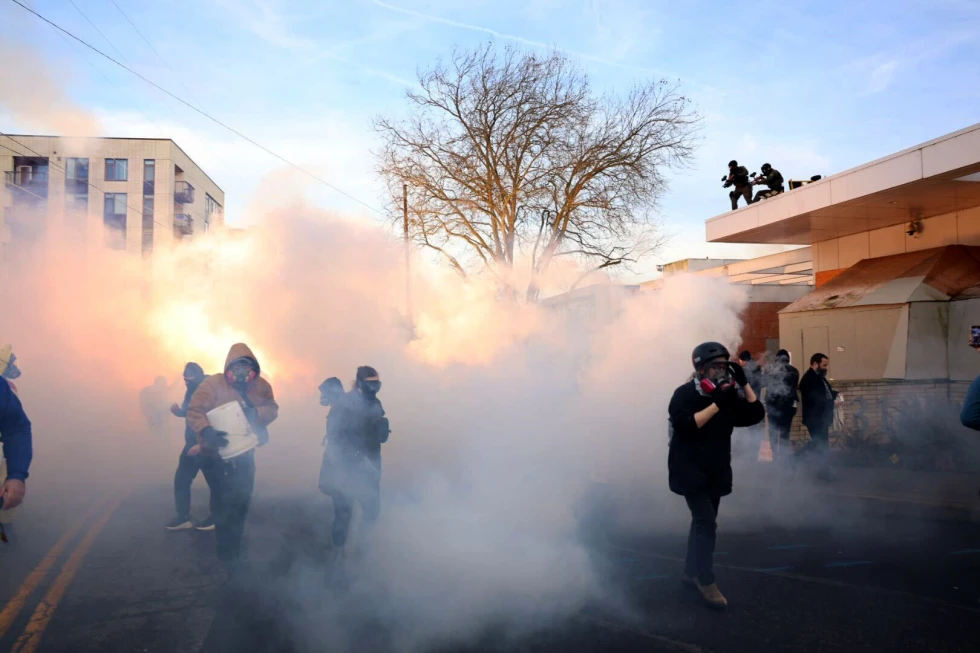
In the wake of Good’s death, anti-ICE demonstrations continue to gain momentum, reflecting a larger societal push for reform in the context of immigration enforcement practices and human rights. Lawmakers express the need for a reevaluation of how immigration policies are implemented, with some suggesting that individuals are being treated inhumanely beneath the banner of law enforcement.
Looming over these discussions are immediate implications for the midterm elections, with Democrats hoping to pivot public sentiment as a means to challenge prevailing Republican narratives surrounding immigration and enforcement policy.
As concerns over ICE's operations proliferate, lawmakers may be compelled to confront the broader implications of their enforcement strategies—prompting questions about accountability, transparency, and the ethical ramifications of current immigration policies.