As the Trump administration intensifies immigration enforcement nationwide, a wave of high-profile arrests—many occurring at private homes and businesses and often captured on video—has prompted a major legal inquiry: When can federal immigration agents lawfully enter private property for arrests?
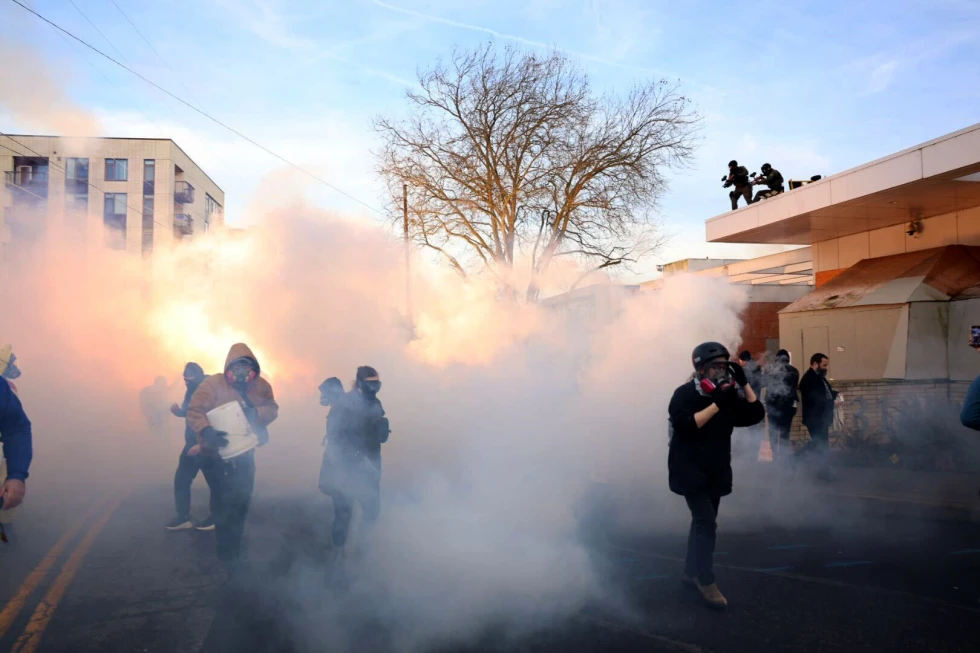
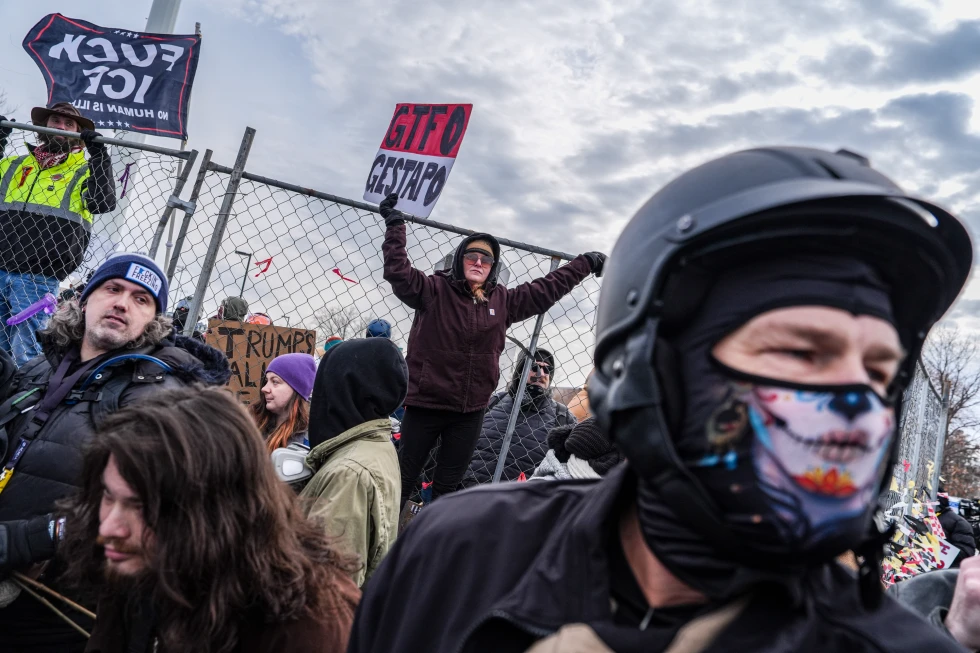
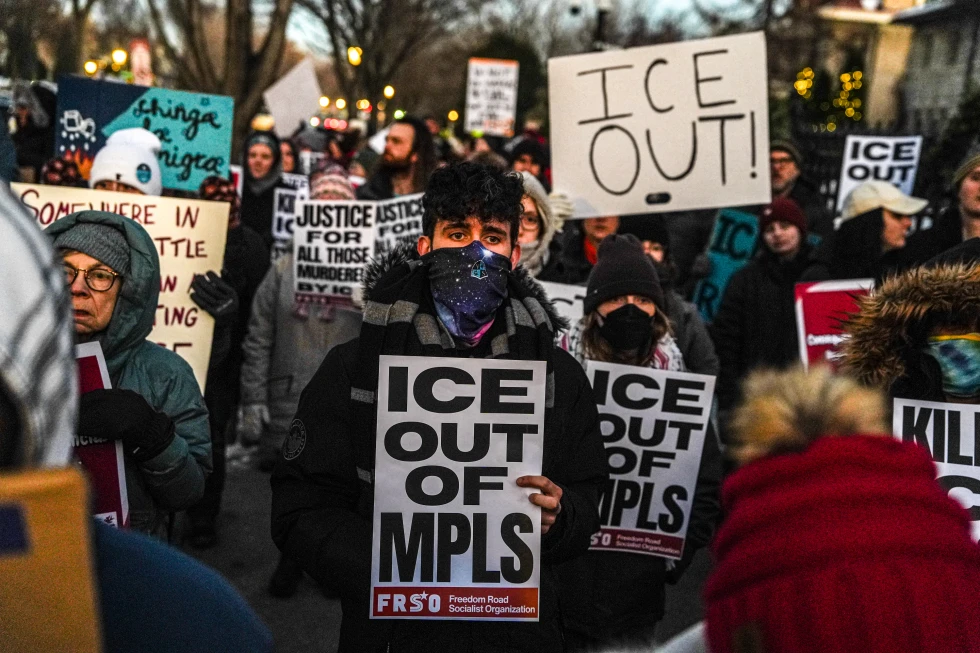
This issue is particularly urgent in cities such as Minneapolis, where federal agents are visible on the streets amid public protests and heightened scrutiny over their legal authority to make arrests at individuals’ doorsteps.
A pivotal factor in this discussion is the distinction between administrative and judicial warrants. Most immigration arrests are executed via administrative warrants—internal documents that allow for the arrest of specific individuals but do not grant the right to force entry without consent. Only judicial warrants, issued by judges, provide the explicit authority to enter private property without consent.
This legal differentiation has significant implications as the aggressive enforcement strategy, coupled with lack of public awareness, is creating scenarios where door-knocking interactions with immigration agents lead to confrontations, fueled by concerns over the legality of such actions.
Understanding Immigration Warrants
All law enforcement actions, including those by agencies like Immigration and Customs Enforcement (ICE), must adhere to the Fourth Amendment, which safeguards against unreasonable searches and seizures. In essence, law enforcement requires a warrant for arresting individuals or searching private properties, regardless of immigration status.
Unlike judicial warrants issued by courts, primarily designed to enforce criminal proceedings and allowing entry onto private property, immigration arrests typically involve administrative warrants. These warrants are restricted in their scope, preventing agents from forcibly entering homes without permission unless there are exceptional circumstances, such as a threat to life.
Rising Tensions and Legal Challenges
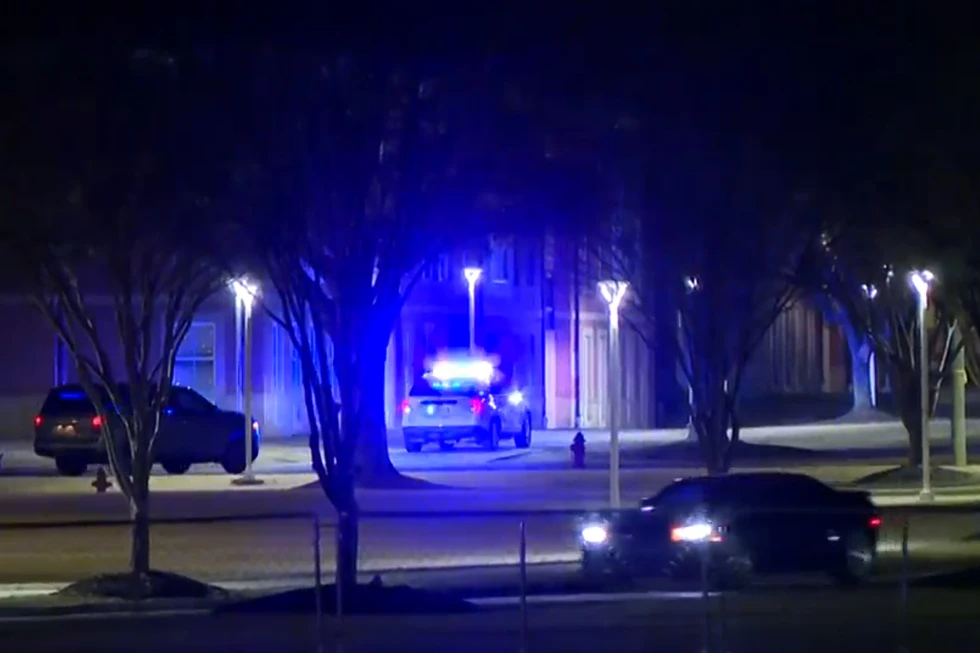
These legal nuances became clear during a recent incident in Minneapolis, where immigration law enforcement agents raided a private home using only an administrative warrant, causing a clash with protesters. The lack of a court-issued warrant raised legal questions about the appropriateness and legality of their actions.
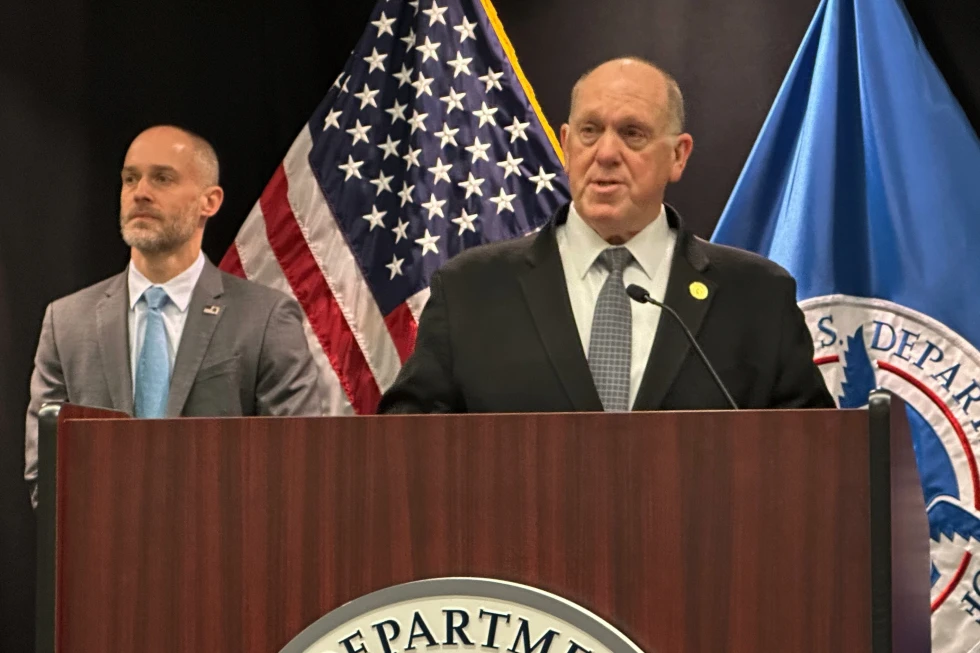
DHS Assistant Secretary Tricia McLaughlin defended the operation, arguing that the arrested individual had a serious criminal background. Yet, critics argue that the legality of the arrest may entail further repercussions for the officers involved, who could face legal actions if they overstep their constitutional bounds.
Campaigns for Public Awareness
The rise in aggressive immigration enforcement has led to community-led initiatives aimed at educating the public on their rights during encounters with federal agents. Activists, legal aid organizations, and local governments have fostered 'know-your-rights' campaigns, emphasizing that individuals can refuse entry to agents without judicial warrants and should request to view any warrant presented.
These initiatives underline the need for public education regarding the complexities surrounding immigration enforcement—knowledge that can empower individuals to understand their rights and navigate confrontations with agents effectively.
}