Desperation in Tehran: Voices from a War-Torn City
Warning: this article contains details which some readers may find distressing.
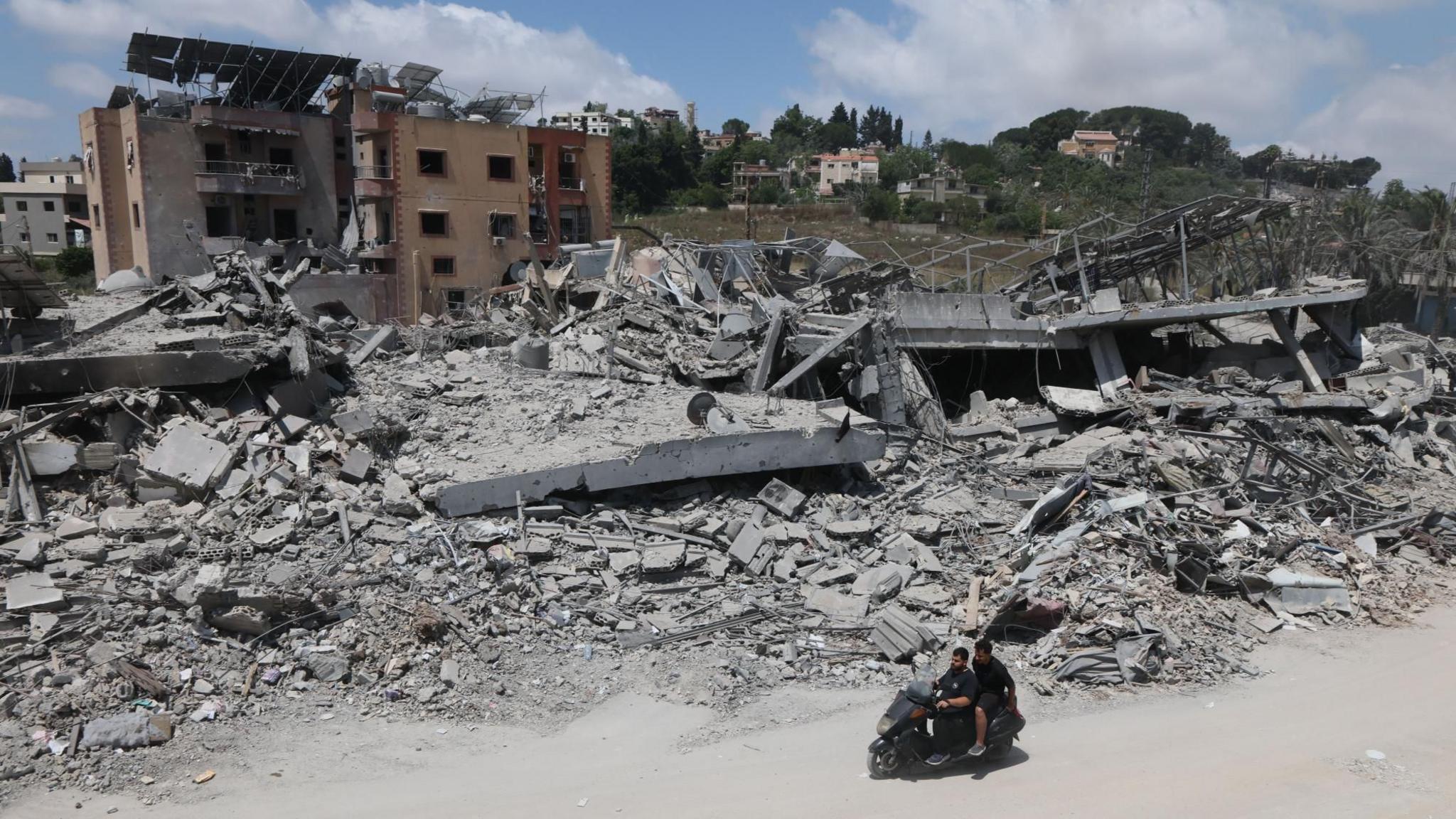
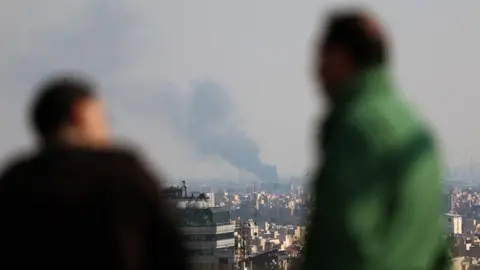
Until recently, the conflict was seen as a distant issue affecting other areas in Tehran. But the dynamics changed when unsettling noises and vibrations startled residents like Setareh, prompting her to suspect the arrival of bombs.
I think it's a bomb, she told her colleagues as they sought refuge on the rooftops, witnessing smoke emerge from targeted areas, leading to mass panic among coworkers.
With the government shutting down businesses, employees like Setareh find themselves without jobs, adding strain to an already beleaguered economy. She expresses the toll of sleepless nights as relentless anxiety plagues her thoughts.
Setareh reflects, I can honestly say I haven't slept for several nights and days in a row. I try to relax by taking very strong painkillers so I can sleep. The anxiety is so intense that it has affected my body. When I think about the future, I truly don't know what to do. Her concerns extend beyond her own well-being, amplifying the desperation felt by millions of Iranians as the war intersects with pre-existing economic hardships.
With food prices increasing by 60% over the previous year, she points out that people are unable to afford even basic necessities. Sanctions imposed on Iran have further exacerbated the financial strain. We cannot afford even basic food. What's in our pockets does not match market prices, and we couldn't build any savings enough to survive now, Setareh laments.
The gravitation of the populace toward protests witnessed earlier in 2026 is palpable, as the labor market collapses without proper systems in place to aid those unemployed. The anticipated 'real war' may only emerge after the current conflict concludes, pending on the regime's fate.
Other testimonies collected from various cities echo sentiments of concern regarding escalating economic pressures and the prevailing hope among many that conflict could lead to regime change.
Healthcare workers like Tina express fears about impending healthcare shortages, stating, If the conflict continues and infrastructure is targeted and medicines cannot be imported, we will face very serious problems. The most important issue is that this war must not reach hospitals. Her anxiety grows as vivid memories of brutal war scenes surface, complicating her role as caretaker.
With a shared traumatic history, individuals like Behnam, a former political prisoner, conveys the perpetual threats from the regime lingering in the lives of citizens, who face harsh realities if they dissent.
As President Trump’s threats loom over Iran, the fear and desperation are pervasive as the calls for freedom continue to clash against the tyrannical forces of the state.
One month into the war, with the shadow of violence casting a long pall over the country, the cries for change echo louder than ever, yet the path ahead remains fraught with uncertainty.