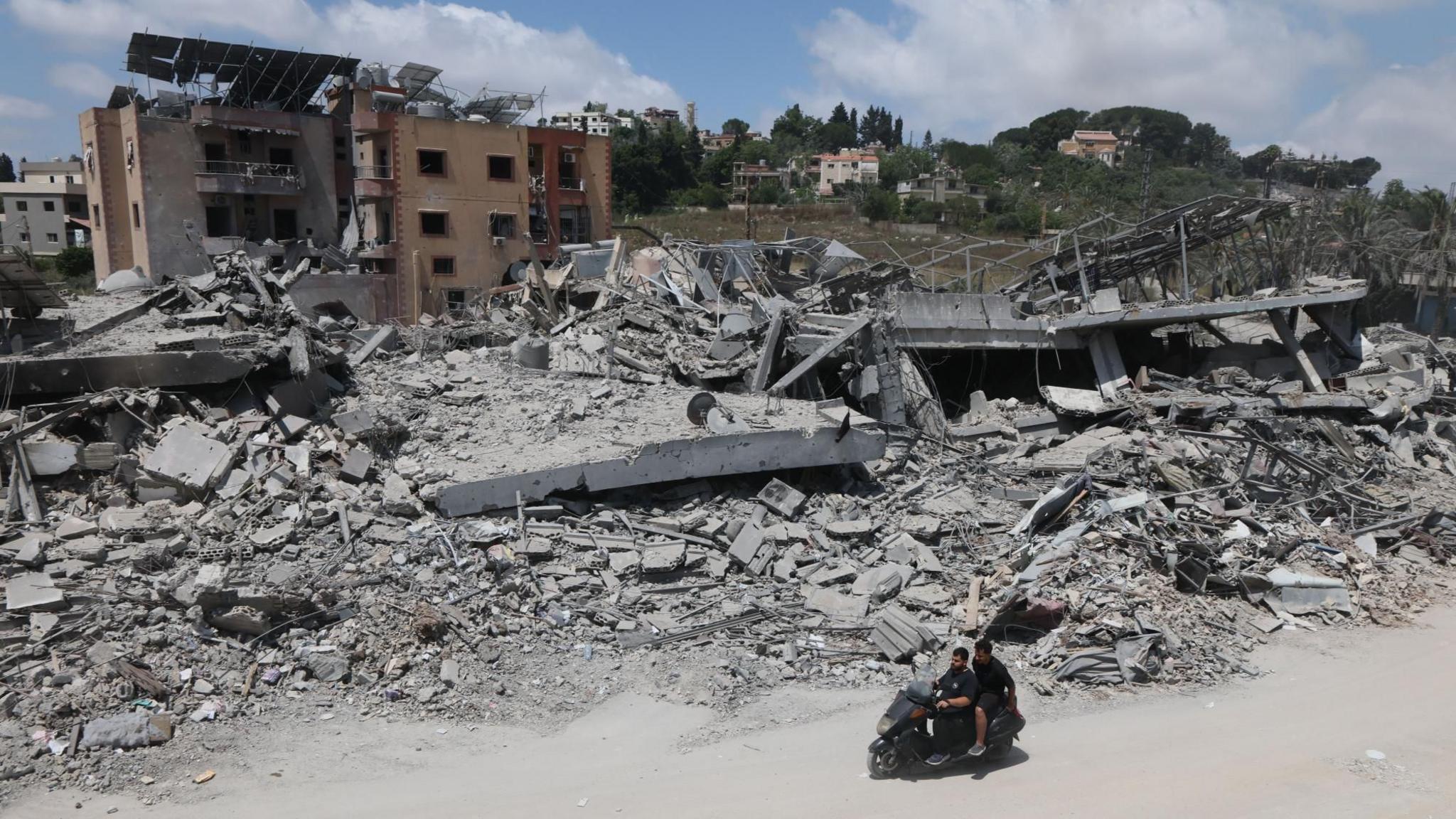
Multiple weapons experts have disputed a US claim that Iran may have been responsible for a deadly strike on the town of Lamerd on the first day of the war.
Six experts - who examined footage of the strike and all commented independently - contested the US suggestion that it was an Iranian missile, citing the missile's visual features, the way it exploded, its trajectory, and the number of strikes in the area as the basis for their analysis.
Iranian officials have reported that 21 people, including four children, were killed.
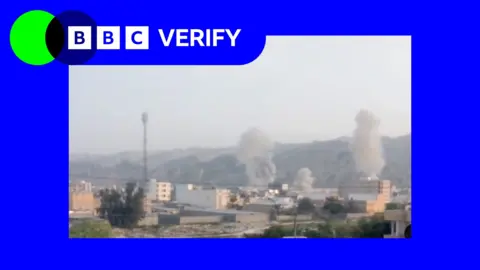
BBC Verify originally reported on the strikes on 28 March, citing experts who said it was likely a US Precision Strike Missile (PrSM) that was used. The US Central Command (Centcom) - which oversees US military operations in the Middle East - declined to comment for that report.
Centcom then released a statement on 31 March denying it was a US missile, instead saying that footage of the attack was consistent with an Iranian Hoveyzeh cruise missile.
US forces do not target civilians, unlike the Iranian regime, which has attacked civilian locations in neighboring countries more than 300 times, the statement added.
When BBC Verify went back to Centcom with the experts' analysis, it said it had nothing to add to its original statement.
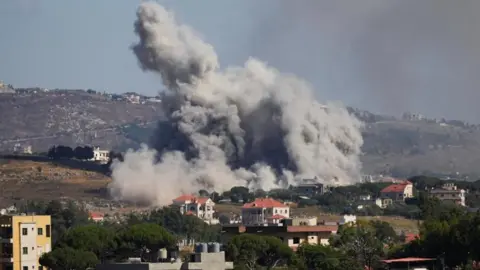
Lamerd, a town in southern Iran, came under attack on 28 February. CCTV footage published by Iranian state media - which was authenticated and geolocated by BBC Verify - showed a munition moments before it exploded above a residential area. Experts identified it as likely being a US missile, based on its appearance, the size of the blast, and the distance from potential US launch sites in the Middle East.
A New York Times report also found that a PrSM likely hit Lamerd.
On the same day nearly 400 km east, strikes hit an Iranian school and a nearby military base in Minab, killing 168 people according to Iranian officials.
Experts also pointed out that the munition in the verified CCTV footage does not appear to be damaged, malfunctioning, or intercepted. They argue that while it's feasible that an Iranian cruise missile could malfunction, the idea of multiple failures occurring at the same time over the same location is implausible.
As investigations continue, the discussion around the missile's origin and the accountability of the strike highlights the complex realities of military engagements and geopolitical tensions in the region.