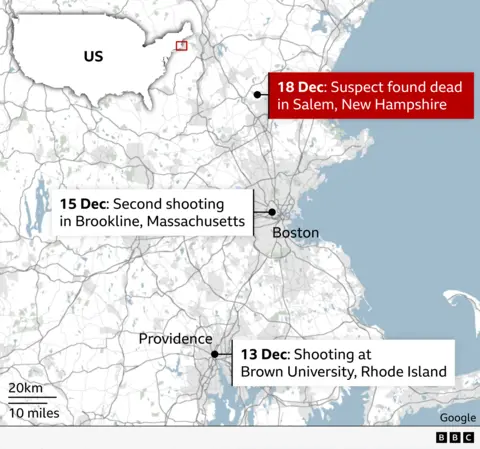
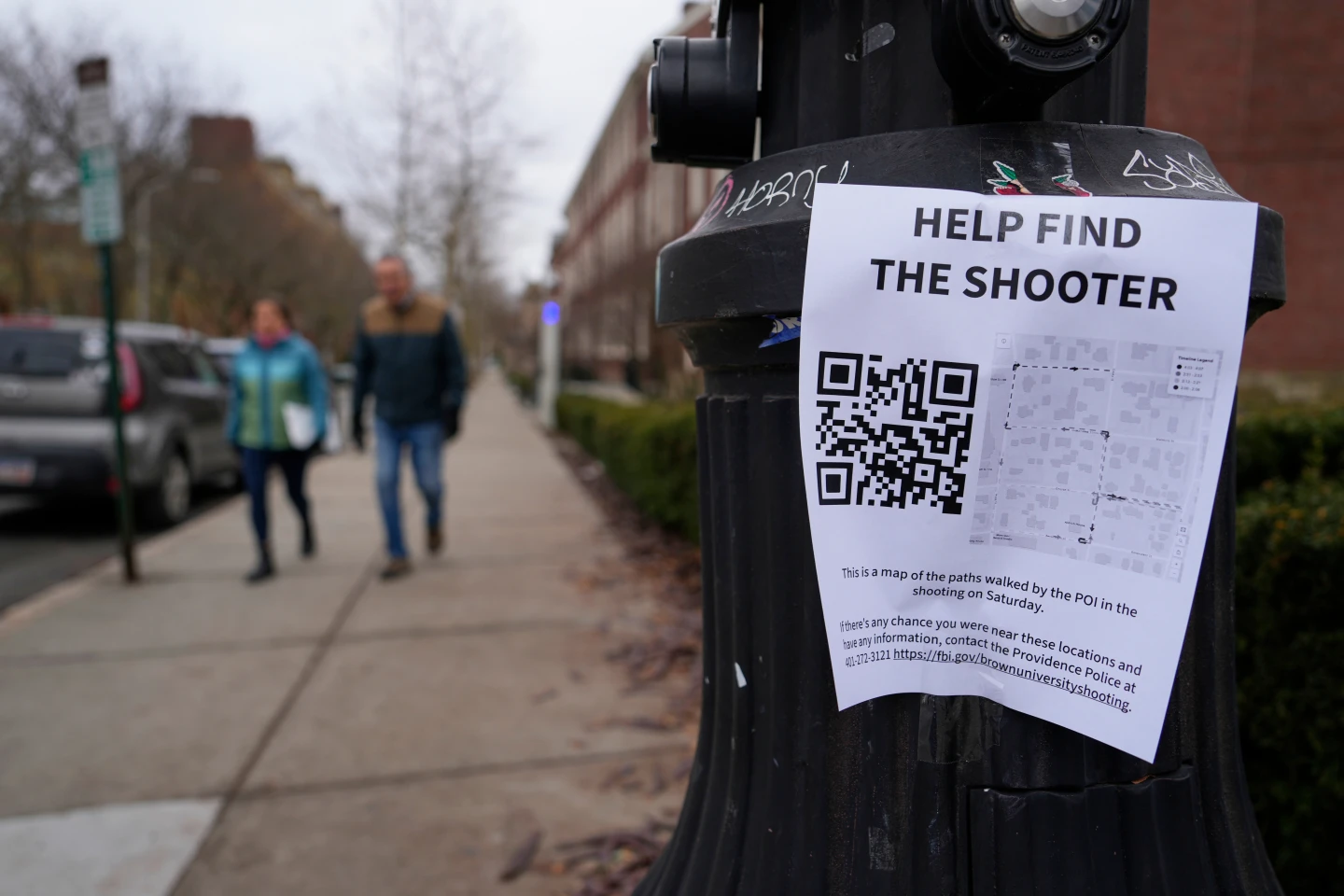
WASHINGTON (AP) — The Portuguese suspect in the Brown University and MIT shootings came to the United States through a little-known pathway called the diversity immigrant visa.
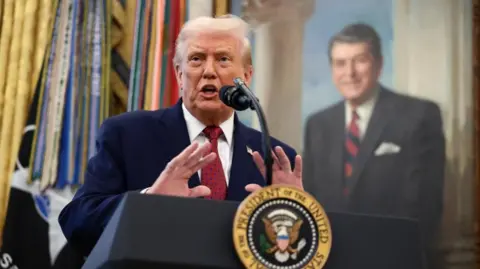
This program offers up to 50,000 green cards annually through a lottery to individuals from countries that are underrepresented in U.S. immigration. Homeland Security Secretary Kristi Noem announced on X that she was pausing the program, suggesting the alleged shooter should not have been allowed into the U.S.
The move is part of the Trump administration's ongoing efforts to tighten legal immigration in response to violent incidents. Critics argue that such measures amount to collective punishment for immigrants.
A Visa Program for Broader Access
The diversity visa was established by Congress in 1990 to allow citizens from underrepresented nations a fair chance to immigrate to the U.S. The American Immigration Council notes that without family or employer sponsorship, many deserving candidates struggle to obtain legal immigration status.
Each year, with about 21 million applicants competing for roughly 130,000 slots, winning the lottery is exceedingly challenging.
Growing Call to Reassess the Program
Joseph Edlow, head of U.S. Citizenship and Immigration Services, expressed a desire to eliminate the diversity visa, advocating for a merit-based immigration system. The implication of the recent violence has again raised questions about the vetting process for immigrants.
Critics claim the administration's actions in response to isolated incidents unfairly penalize the majority of immigrants who pose no threat. Myal Greene, a leader in refugee resettlement, condemned this latest restriction, arguing it exploits a tragic event to advance restrictive immigration goals.
Historical Context of Immigration Restrictions
Previously, similar actions have been taken following incidents involving immigrants. For instance, after an Afghan national shot two National Guard troops, the administration announced a halt to asylum decisions for Afghans and further restricted immigration from high-risk countries.
The debate continues as the Trump administration expands travel bans and reshapes immigration policies, with the underlying tension between national security and the treatment of immigrants taking center stage.