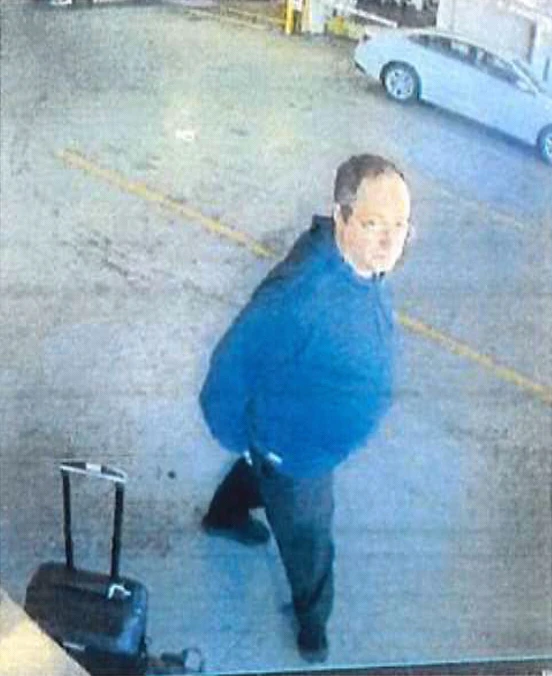
PROVIDENCE, R.I. (AP) — Claudio Neves Valente, who stands accused of a shooting rampage at Brown University and the murder of MIT professor Nuno F.G. Loureiro, was found dead by police from a self-inflicted gunshot wound at a storage facility in New Hampshire.
Valente's background paints a complex picture; once a bright physics student, he attended the prestigious Instituto Superior Técnico in Portugal but was expelled in 2000. He briefly studied at Brown University yet left without obtaining a degree. Despite his academic challenges, he managed to immigrate to the U.S. and was granted permanent resident status in 2017.
On December 13, Valente allegedly opened fire in a Brown lecture hall, killing two students and injuring nine others. Witnesses described his attire as resembling that of restaurant workers, raising questions about his state of mind leading up to the incident. Two days later, he reportedly took the life of Loureiro, a former classmate, at Loureiro's home.
Rhode Island Attorney General Peter Neronha has stated that the motives behind Valente's actions remain unknown, citing a lack of clear reason as to why this violence occurred, particularly at Brown University. This tragic sequence of events has sent shockwaves through the academic community, with many left grappling for answers.
As investigations continue, the shockwaves of this incident raise broader conversations about mental health support and campus safety, prompting a reevaluation of how educational institutions engage with students facing difficulties.