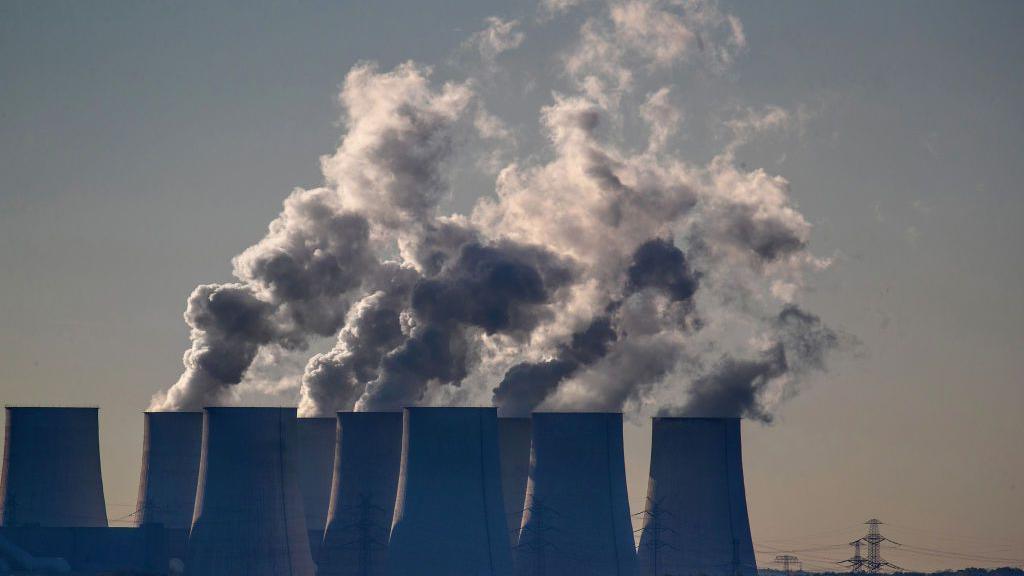
The European Union has unveiled a proposal that would slow the pace of cuts to greenhouse‑gas emission limits for businesses, aiming to give industry a longer runway to reduce CO₂ as part of a comprehensive climate policy overhaul.
Under the current European Union Emissions Trading System (ETS), industries and power plants must purchase a permit for every tonne of CO₂ they emit. The new draft will extend the period during which free permits are available, moving the end‑date from 2034 to 2038 for firms that commit to decarbonisation projects.
The Commission would also slow the decline of the overall cap on emissions – a key lever that ensures the total amount of CO₂ released in the EU decreases over time. The proposed reduction rate would fall from the present 4.3% to 3.7% in 2031, and then to 1.7% in 2036.
The reforms are touted as a “business‑friendly” and “savvy” approach that still keeps the EU’s 90% carbon‑reduction goal by 2040 in sight, according to Climate Commissioner Wopke Hoekstra. Yet, the change has drawn criticism from some members. Poland’s climate minister said the country would push to weaken the policy further, whereas a German MEP warned that the moves could lead to massive climate pollution and a lower quality of life for future generations.
Negative reactions echo long‑standing concerns over the ETS. Italy and other member states have characterised the scheme as a de‑facto tax that inflates energy prices, while businesses argue that the new timelines would afford them the flexibility needed to adapt to rapidly evolving technology.
The proposal comes against a backdrop of record temperatures across Europe. In recent months more than a dozen countries broke June heat records, with nations such as Hungary, the Czech Republic and Germany recording temperatures above 40 °C. Such extremes underline the urgent need for effective climate action, even as the EU debates the right balance between economic and environmental priorities.