In brief
The Democratic Republic of Congo outbreak of the Bundibugyo strain of Ebola began in February but was only declared on 15 May, a delay that has widened the spread. 4,294 cases have been confirmed with 1,960 deaths, making it the second-worst outbreak in history and a dramatic rise from an earlier 1,900 mortalities figure. Insecurity and cultural practices in the eastern provinces have limited health workers’ reach to just 30 per cent of cases, while no approved vaccine or therapy exists for this strain. Dedicated treatment centres have improved rapid diagnosis, but the public health threat remains high. The WHO African director calls the virus “ahead of us” and stresses the need for urgent, coordinated action.
In the Democratic Republic of Congo, the fight against the Bundibugyo strain of Ebola has faced a significant time lag: the virus began spreading in February, but the outbreak was officially declared only on 15 May. This delay has allowed the disease to rise rapidly, with 4,294 cases and 1,960 deaths reported by the health ministry—a tally that places it behind only the 2014‑2016 West Africa epidemic in terms of fatalities.
According to Dr. Mohamed Janabi, WHO Africa director, security concerns in the eastern province of Bunia have hindered response efforts. Armed clashes and general unrest mean that health workers can reach merely about 30 per cent of infected individuals. Traditional burial rituals, where mourners touch the deceased, further amplify spread by allowing viral transmission through bodily fluids. Furthermore, misinformation and wariness of authorities in certain communities have contributed to low uptake of healthcare services.
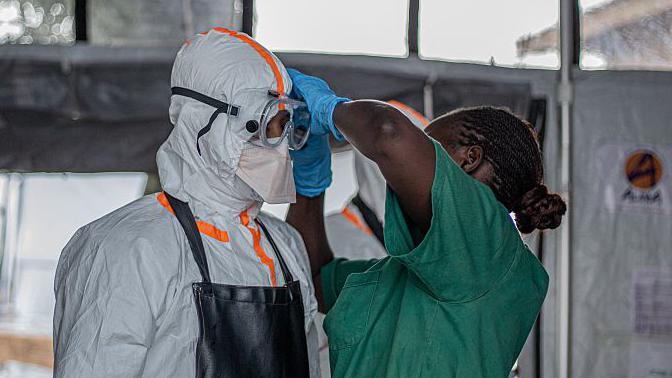
Although the situation remains dire, some progress has been made. Several dedicated treatment centres have been established in the eastern region, and diagnostic times have shortened considerably. Still, the lack of an approved vaccine for this strain and the absence of specific therapeutic drugs mean that healthcare teams must rely on isolation and supportive care.
WHO’s latest quantitative assessment warns that the virus is “ahead of us,” urging calls for a comprehensive approach that combines secure access, community engagement, rapid case identification and the development of targeted medical counter‑measures. The international community’s attention to financing and technical assistance will likely shape the trajectory of Congo’s battle against Ebola in the coming months.