In brief
Thousands of cyclists from Zhengzhou flocked to Kaifeng for a social media-fueled night ride, aiming to enjoy local dumplings, but created unexpected traffic chaos and drew mixed reactions from authorities and locals.
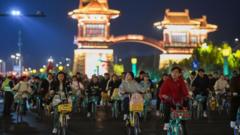
What began as a cheerful quest for Kaifeng's famous dumplings turned into a traffic nightmare when thousands of cyclists from Zhengzhou flocked to the ancient city for an overnight adventure. This social media trend, initially sparked by a few university students, quickly escalated into an unforeseen gridlock, filling a vital expressway and prompting response from local authorities.Tens of thousands of riders, eager to partake in this popular movement known as “Night Ride to Kaifeng,” took to rented bikes in the evening. Predesigned to bolster Kaifeng's local economy, the initiative was met with overwhelming enthusiasm from young participants seeking cost-effective escapades in the face of an increasingly competitive job market. The call to action resonated particularly with youths feeling burnt out and craving spontaneity.What should have been a festive event, accompanied by promotional discounts and festivities aimed at attracting college students, soon spiraled into chaos. Police struggled to manage the situation as overflowing bikes paralyzed key routes. Social media witnesses reported drive times extending significantly, while some cyclists grew fatigued, walking their bikes in congested crowds—an astounding estimation placing the number of cyclists anywhere from 100,000 to 200,000.While many participants were initially delighted by the experience—citing a sense of youthful freedom—others expressed regret once the realities of the incident set in. Reports revealed overwhelmed infrastructure, as students described disappointing challenges in finding accommodation and transportation upon arrival. Amidst the joy, concerns arose regarding littering and potential disturbances to locals, with some residents openly criticizing participants for their actions.The response from bike rental firms was swift; they issued pleas for riders to consider alternative means of transportation and began enforcing charges for those who ended their rides in different cities. The heavy police presence, including drones monitoring traffic, indicated authorities' heightened vigilance in light of the gridlock.In the broader context, officials in surrounding cities acted decisively, closing main cycling lanes to prevent future congestion and reinforcing rules governing large gatherings, a common approach in China as authorities remain cautious of potential civil disobedience rooted in collective movement.Despite the dissatisfaction felt due to the practical challenges of the ride, many youths continue to advocate for such spontaneous activities, emphasizing the stress-relieving benefits of shared experiences. As these social media events persist as a form of escapism for China's youth, they highlight ongoing conversations surrounding the mental health and aspirations of a generation navigating uncertainty in the landscape of modern employment.