In the wake of Orthodox Easter celebrations, Ukraine and Russia find themselves entangled in a conflict of accusations regarding extensive violations of a short ceasefire period. The truce was intended to mark a moment of peace, but has instead been overshadowed by claims of aggression from both sides.
The Ukrainian military reported on Sunday that Russian forces had committed a staggering 2,299 violations since the ceasefire began at 16:00 local time (13:00 GMT) on Saturday. Meanwhile, the Russian defense ministry countered that Ukrainian forces had carried out 1,971 violations, including several attempted counter-attacks in the Dnipropetrovsk region.
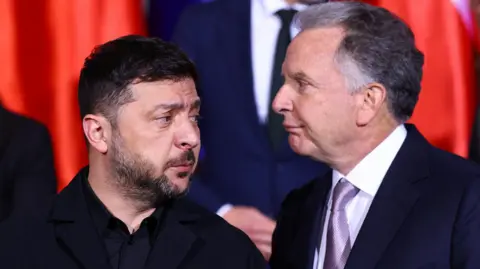
Ukrainian President Volodymyr Zelensky labeled Easter as a time of peace and indicated that his forces would respond symmetrically to any Russian attacks during the ceasefire. He expressed hope that the ceasefire could be extended beyond Easter to facilitate stalled peace negotiations. However, this aspiration was met with rejection from Russia, which announced plans to resume its offensive operations following the holiday.
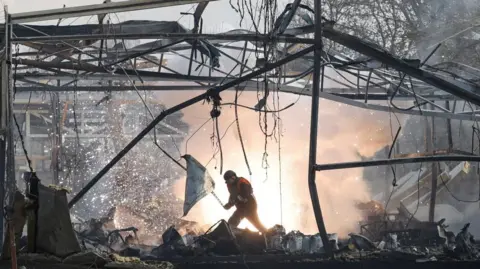
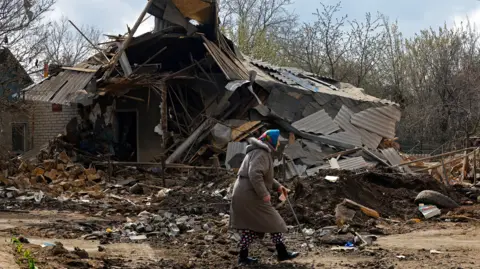
In a visible escalation of hostilities, the Russian military allegedly launched 28 attacks and nearly 2,000 drone strikes during the ceasefire. Although Ukraine’s military stated that bombs or missiles were not deployed, the conflict's toll continued to mount, with local authorities in Sumy reporting that a Russian drone struck an ambulance, injuring three medics.
In a reciprocal attempt to alleviate human costs, both Ukraine and Russia announced the exchange of 175 prisoners of war on Saturday, including seven civilians. Nonetheless, civilians and soldiers on the front lines hold low expectations for the ceasefire, as historical patterns suggest that temporary truces are often transient.
President Putin's unilateral announcement of the ceasefire was characterized by earlier resistance to calls for a halt in fighting from Ukrainian and international allies. The situation remains tense, with Kyiv advocating for a comprehensive ceasefire—considered essential for a durable peace settlement—while Moscow insists on securing a peace deal first, leading to continued skepticism about its commitment to end the war.