Tensions between India and Canada have intensified after Canada named Indian diplomats as "persons of interest" in the murder investigation of Sikh separatist leader Hardeep Singh Nijjar. India responded vehemently, denouncing the allegations as unfounded and part of Canadian Prime Minister Justin Trudeau's "political agenda." This development deepens the diplomatic rift, which began after Trudeau's earlier claims implicating India in Nijjar's killing—a charge India has consistently denied, citing a lack of evidence from Canada. The diplomatic fallout has seen India demand the withdrawal of Canadian diplomatic staff and halt visa services. The Indian government defended its diplomats, calling Canadian allegations "ludicrous," and retained the option to take unspecified retaliatory measures. This ongoing crisis follows Nijjar's targeted killing in British Columbia, linked to his support for the Khalistan movement for a separate Sikh homeland. While diplomatic ties appeared to be improving with the resumption of visa processing, the recent escalation throws the future of India-Canada relations back into uncertainty.
India-Canada Diplomatic Tensions Escalate over Sikh Activist Murder Investigation
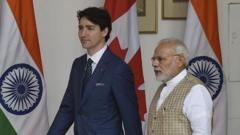
India-Canada Diplomatic Tensions Escalate over Sikh Activist Murder Investigation
Accusations against Indian diplomats intensify strained bilateral relations further
Canada names Indian diplomats as "persons of interest" in a controversial investigation, prompting strong denials from Delhi