In brief
In a landmark decision, the U.S. Food and Drug Administration has approved daraxonrasib (brand name Rasonque) for the treatment of pancreatic cancer, a disease that has long stymied effective therapies. Clinical trials showed the drug increased average overall survival from 6.6 to 13.2 months, a 100% improvement, and it was granted Breakthrough Therapy status a year earlier for its fast‑track review. The medication targets the mutated KRAS gene found in over 90% of pancreatic tumours, and it offers patients a new hope with a side‑effect profile that is generally milder than traditional chemotherapy. Health specialists highlight the approval as a critical milestone in oncology, while patients and caregivers note the potential to extend life and improve quality of life.
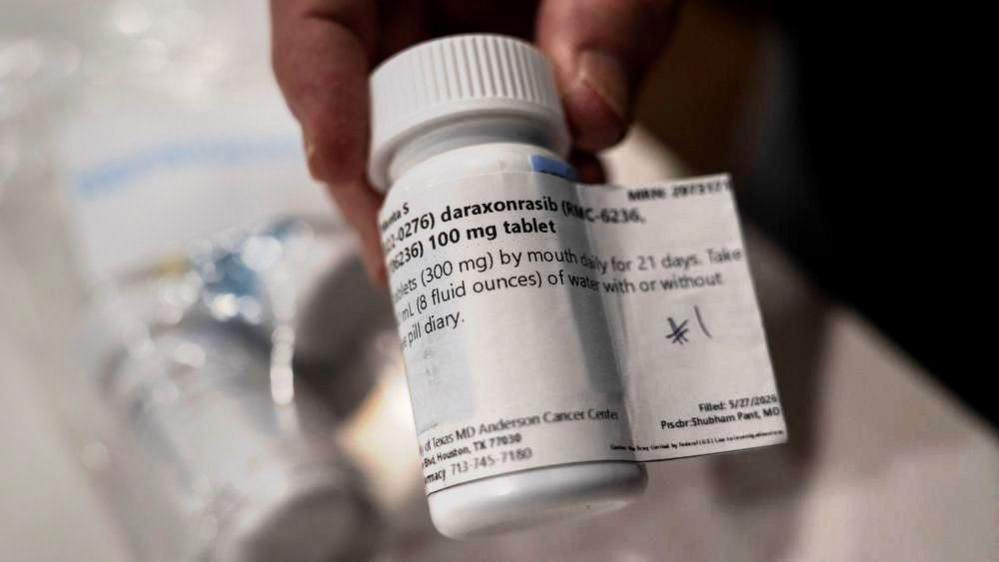
The U.S. Food and Drug Administration has signed a historic milestone in cancer care by approving a once‑daily pill, daraxonrasib, for patients with pancreatic cancer.
Unlike traditional chemotherapy regimens, the drug targets the mutated KRAS gene that fuels the growth of more than 90% of pancreatic tumours. In a phase‑III study with 500 participants, it more than doubled overall survival, raising the median from 6.6 to 13.2 months. That outcome marks a 100 % increase, a figure that could reshape the standard of care for the disease most recognised for its aggressive nature and low survival rates.
Revolution Medicines, the developer, noted that the drug’s side‑effect profile is noticeably lighter. Common reactions—rash, diarrhoea, nausea, fatigue and vomiting—suffered 44 % of patients, compared to 57.5 % of those on chemotherapy. The FDA viewed these findings as evidence that the pill could be a viable, patient‑friendly option.
In 2025, daraxonrasib earned Breakthrough Therapy designation, granting the company accelerated review and a six‑month early approval window. Director of the FDA Oncology Center of Excellence Angelo de Claro said the agency listened to the evidence and faster regulatory pathways to deliver an urgently needed treatment.
Figure‑out a human story, former U.S. Senator Ben Sasse—now living with stage 4 disease—has enrolled in a trial of the drug. Reports suggest his tumours have shrunk, a personal success that echoes the clinical numbers and illustrates the potential life‑saving impact.
With an estimated 67,000 new cases a year, and over 95 % of patients dead within thirty‑days of diagnosis, pancreatic cancer remains the deadliest of major cancers. The FDA’s approval of daraxonrasib may represent one of the most significant steps forward in battling this lethal disease.