In brief
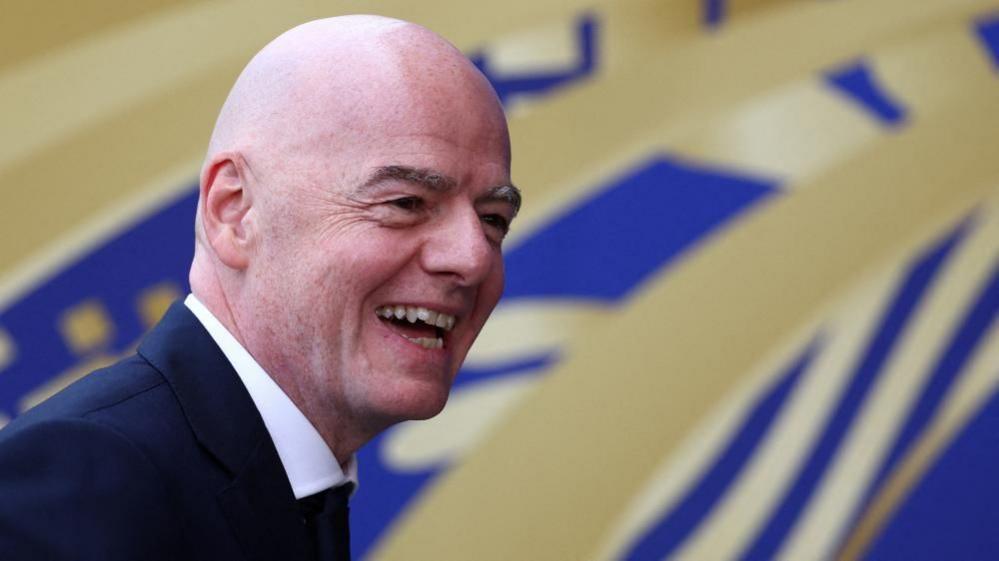
FIFA’s president Gianni Infantino announced a plan to allow private investors to buy shares in a new commercial arm that would run major competitions, including the World Cup. While FIFA insists the sport is not for sale, Uefa and Concacaf have warned they will boycott upcoming tournaments if the plan is approved. The controversy centers on governance, financial implications and the potential impact on smaller football nations that rely on FIFA funding.
FIFA has announced a plan to create a commercial subsidiary – the FIFA Forward Enterprise – that would allow third‑party investors to purchase minority shares in its flagship events, including the World Cup. The move, presented in a 25‑page document produced by JP Morgan, projects a payout of around 24 million euros to each member association for the 2035‑2039 cycle. Fifa is “inviting third parties to make minority, non‑controlling investments” while pledging that the spirit and governance of the game remain intact.
Contrary to the president’s claims that the sport is “not for sale”, the union’s statement, released Friday, criticised “incorrect media reports” and reiterated, “Nobody is selling football. This is not something Fifa would ever entertain.” However, that reassurance was received amid mounting opposition from the two largest continental confederations. Uefa and Concacaf have collectively voted 90 out of the 211 FIFA member associations needed to pass the proposal. The two groups stated that the World Cup must not be treated as an investment product and that a boycott would be triggered if the plan goes ahead.
In addition to Uefa and Concacaf, other confederations are voicing concerns. The AFC criticised the lack of due process and the short deadline, and the AFC has accused FIFA of undermining continental football. Conmebol, CAF and OFC have announced that they will discuss the proposal in the coming months. High‑profile voices, including Chelsea manager Xabi Alonso, have echoed calls for the sport to remain in public hands.
Infantino’s proposal is being hailed by some as a way to secure future revenue for member associations. The proposition includes a 40‑million‑dollar incentive for federations that support the plan, with an 18‑day deadline to accept. The deal would grant an initial 20‑million‑dollar payment on 1 January of 2027. The urgency of the deadline has been criticised as “artificially short” by international administrators.
While Europe's wealthiest federations are less dependent on FIFA funds, many smaller nations rely on FIFA's development programme. Recent figures show that through 2026, the FIFA Forward programme has delivered a 30% increase in funding, with $2.8 billion allocated to member associations and $60 million to confederations for their projects. The controversy could risk undermining that financial flow if the boycott threat materialises.
In light of this uncertainty, the timing of the U‑20 Women’s World Cup in Poland next month – scheduled to begin 5 September – is precarious. If the boycott becomes operational, several national federations could withdraw during the quarter‑finals or before the semi‑finals, jeopardising the tournament and the players’ preparation for the 2024 Women’s World Cup play‑offs in October.
Infantino will stand for a fourth term as FIFA president in March 2027, following unopposed re‑elections in 2019 and 2023. But with a surge of opposition from the world’s most influential football governing bodies, the future of the proposed investor plan remains unclear.